Occupancy rate is the percentage of all units in a residential building that are occupied during a certain period of time. The occupancy rate serves as a crucial indicator for residential buildings, providing insight into their performance and desirability among households.
A higher occupancy rate not only signifies robust demand and revenue potential but also contributes to consistent rental income. Moreover, it facilitates better cash flow, enabling increased budget allocation towards property maintenance and enhancements.
Conversely, low occupancy rates may indicate subpar management and a lack of desirability of the property. Occupancy rates in Real Estate are influenced by various factors, including location, property condition, marketing and advertising strategies, rental rates, and management practices. The key factors are outlined below
- Location
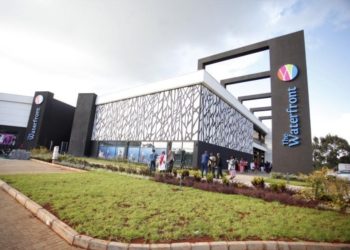
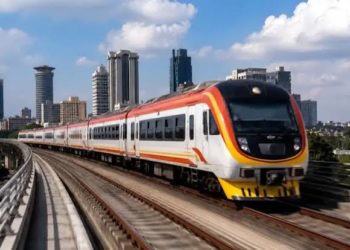
Home seekers prioritize comfort, safety, convenience, and accessibility when searching for a place to live. A residential property located in a favourable location close to essential amenities such as hospitals and with a decent public transportation network, will surely fetch a higher demand and subsequently, a higher value. Exceptional location indicators include factors such as; proximity to amenities (hospitals, malls, schools), security, and public transportation.


Location also involves the characteristics of the neighbourhood. Some tenants opt to stay in tranquil, safe and clean neighbourhoods away from the bustle of the commercial and industrial areas, while others would prefer to stay close to their workplaces in the commercial zones. It is important to evaluate the needs of the target market when constructing residential properties.
- Physical characteristics
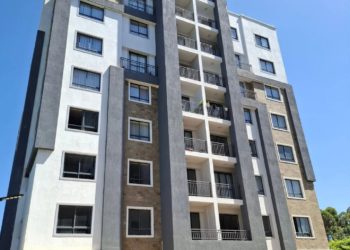
The physical characteristics of a residential property refer to indicators such as quality of construction, size of a property (in terms of the number of bedrooms) and GLA (Gloss Leasable Area). Physical characteristics of a residential building can also include building type (single family, duplex, detached, semi detached and flat), typology (number of bedrooms), state of repair and quality of finishing (floor, roof, windows).
Aesthetic design elements contribute to the tenants’ satisfaction and overall enjoyment of the property. The incorporation of proper finishes such as hardwood flooring, granite countertops, and ceramic tiles enhances the aesthetic appeal and durability of a building.
- Rent
The rent paid for a property should be consistent with the value received by the client. It is important that the rent levels be comparable to the rent charged on similar properties. A low rent figure will likely reduce the returns from a building, contributing to insufficiency of funds allocated for property management. Similarly, higher rental rates discourage tenants leading to low occupancy rates.
- Management Practices
Having efficient property management practices is an important factor when it comes to tenant retention. Efficient management ensures reliable communication with the tenants, security of the premises, timely maintenance and collection of rent.
Compliance with the aforementioned factors will definitely lead to high occupancy rates in residential property.