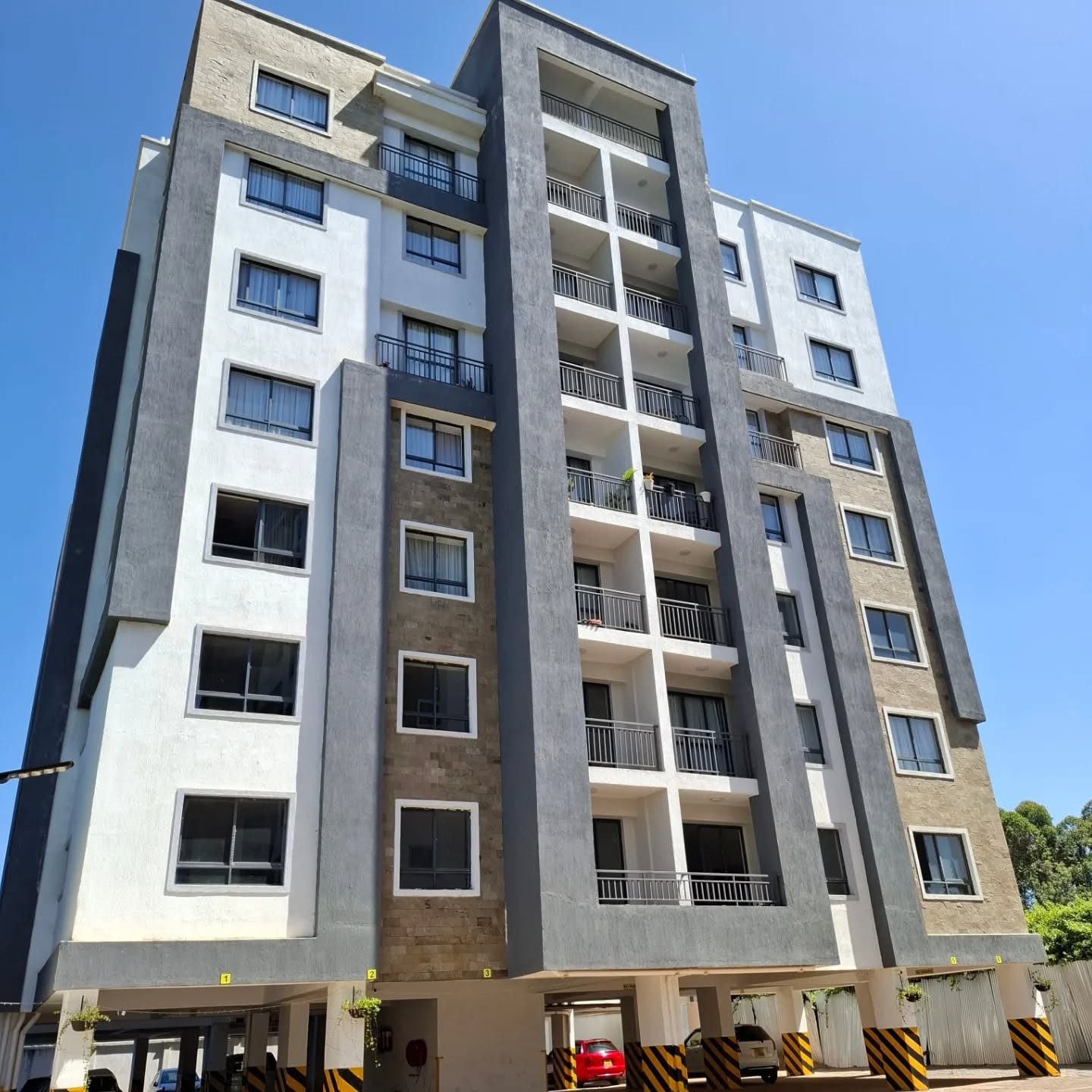
Kenya’s apartment market is sending a clear signal, and it is not the one developers were hoping for. Fresh data from the Kenya National Bureau of Statistics (KNBS) shows apartment prices fell 3 percent in the year to March 2026, marking the fourth consecutive quarterly decline. Over the last 13 quarters, flats have gained value in only three, the three months to March 2025 and the first and third quarters of 2024. Everywhere else, the trend line has pointed downward.
The softness is not evenly spread. Nairobi’s high-end estates recorded the steepest pullback, with apartment prices down 4.8 percent in the year to March, while the city’s middle-income neighbourhoods saw a 3.3 percent drop. Curiously, apartments outside Nairobi told a different story altogether, rising 7.5 percent in the same period, a reminder that Kenya’s property market is really several regional markets moving on their own timelines.
Standalone Homes Are Having a Moment
While apartments have struggled, standalone houses, maisonettes, bungalows and villas, have gone the other way entirely, climbing 8.5 per cent over the same 12 months. That divergence pushed overall residential property prices up 4.8 per cent nationally. KNBS attributed the broader gain directly to demand in the standalone category, noting that the increase in the average price of residential properties reflected buyer preference shifting toward this segment.
This preference shows up clearly in KNBS survey data too: 63.1 percent of tenants aspiring to own a home said they would choose a bungalow, 23 percent favoured a maisonette, and only 9.5 percent picked an apartment, despite apartments typically being marketed as the more affordable, urban-convenient option. That is a striking gap, and it suggests Kenyan homebuyers are prioritising space, privacy and land ownership over centrality and lower entry cost.
What’s Really Driving the Apartment Glut
The apartment slump traces back to a construction boom that has simply outpaced demand. Developers who broke ground on projects several years ago are now delivering them into a market that has not absorbed stock at the same pace, leaving completed units sitting longer than planned. Suburbs like Kilimani, Kileleshwa and Parklands illustrate the shift well: once dominated by single-family homes, rezoning has turned them into apartment-block corridors, adding volume precisely where demand growth has been slower to catch up.
It hasn’t been a smooth transition for everyone nearby. Some resident associations have pushed back, arguing that roads, sewer lines and water supply have not been upgraded fast enough to support the surge in multi-dweller occupancy. Meanwhile, developers are increasingly leaning on discounts and flexible payment plans just to keep sales moving, a sign of how much pressure the oversupply has put on pricing power.
Standalone housing, by contrast, remains constrained on the supply side simply because it is harder and costlier to build at scale. “The supply of stand-alone houses has been very low and that is because it is very capital intensive as they need huge tracts of land,” said Sakina Hassanali, HassConsult co-CEO and creative director, pointing to land requirements as the core bottleneck. Urbanisation of satellite towns around Nairobi has helped somewhat, giving developers access to cheaper land on the periphery to build standalone units for buyers who want privacy without paying prime prices.
For investors who bought into Nairobi’s apartment boom expecting steady appreciation, this extended slide is a hard pill to swallow. But for prospective homeowners, falling apartment prices have had one clear upside: cheaper financing.
Central Bank of Kenya data shows the average mortgage size fell to Sh9 million in 2024, down from Sh9.4 million the previous year, the first such decline in seven years. The number of mortgage accounts also grew, up by 756 to 30,016. Lending rates have eased too, following the CBK’s broader monetary loosening, though access to mortgage financing overall remains out of reach for many prospective buyers.
This commentary is based on reporting by Kabui Mwangi, published in Business Daily, drawing on Kenya National Bureau of Statistics (KNBS) Q1 2026 residential property price data and commentary from HassConsult co-CEO Sakina Hassanali.