Kenya’s Treasury Bonds and Bills are among the most trusted and accessible investment options offered by the government. They play a crucial role in financing national development while giving investors an opportunity to earn stable returns with relatively low risk. For individuals seeking secure investment instruments, understanding how these securities work is essential in making informed financial decisions.
Treasury Bills, commonly known as T-Bills, are short-term government securities issued for periods of 91, 182, or 364 days. They are sold at a discount, meaning an investor pays less than the face value and receives the full amount at maturity. The difference between the purchase price and the maturity value becomes the investor’s return. Because of their short duration, T-Bills are often used by investors looking for safe, quick-turnover investments or a place to park funds temporarily without tying them up for too long.
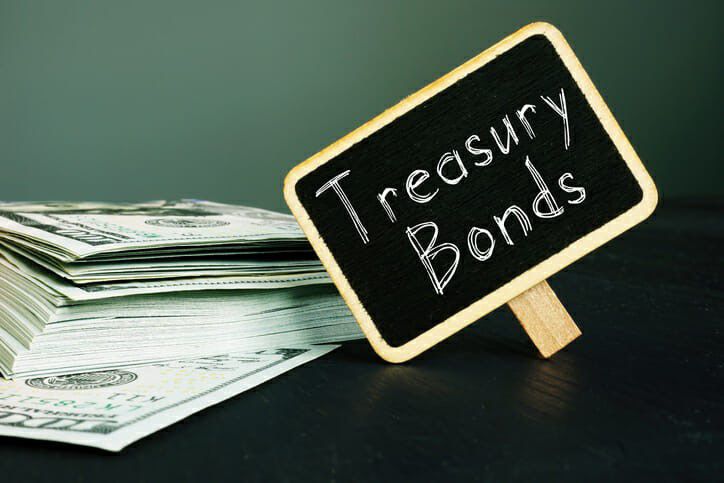
Treasury Bonds, on the other hand, are long-term securities with maturities ranging from two to thirty years. They provide semi-annual interest payments, offering predictable cash flow over an extended period. Treasury Bonds are particularly attractive to investors who prefer stable returns while preserving capital. These bonds also support national development initiatives such as infrastructure, energy, and education, making them a vital part of Kenya’s economic growth.
Both T-Bills and T-Bonds share one main advantage: they are backed by the Government of Kenya, which significantly reduces default risk. Investors often choose them for diversification, capital preservation, and consistent income. They can also be used as collateral for bank loans, adding to their utility as part of a broader financial strategy.


Despite their benefits, these instruments may not suit everyone. Longer-term bonds tie funds for years, and interest rate changes can affect the value of existing bonds in the secondary market. Additionally, the application process through the Central Bank may feel complex for beginners, especially those unfamiliar with investment procedures. However, with the right guidance, they remain an important part of a well-balanced investment portfolio.
In an economy where stability and security matter, Treasury Bonds and Bills continue to stand out as reliable choices for both experienced and new investors. They offer a blend of safety, predictable returns, and national impact, making them a cornerstone of Kenya’s financial landscape.
✅ CTA:
If you’re planning your investment journey but still want flexibility and steady growth, consider starting with the Cytonn Money Market Fund — an accessible way to grow your savings while you explore other long-term investment options like Treasury Bonds and Bills.
📞 Call +254 (0) 709 101 200 or 📧 email sales@cytonn.com to get started today.