Sharp Daily
No Result
View All Result
Wednesday, May 27, 2026
  • Home
  • News
    • Politics
  • Business
    • Banking
  • Investments
  • Technology
  • Startups
  • Real Estate
  • Features
  • Appointments
  • About Us
    • Meet The Team
Sharp Daily
  • Home
  • News
    • Politics
  • Business
    • Banking
  • Investments
  • Technology
  • Startups
  • Real Estate
  • Features
  • Appointments
  • About Us
    • Meet The Team
No Result
View All Result
Sharp Daily
No Result
View All Result
Home Economy

Rising forex reserves to boost Kenyan economy

Kennedy Waweru by Kennedy Waweru
September 24, 2024
in Economy
Reading Time: 2 mins read

Kenya’s foreign exchange reserves have recently hit a significant milestone, reaching a high of USD 7.85 billion as of September 19th, 2024. This marks a continued growth trend for the third consecutive week, with reserves rising from USD 7.34 billion on August 29th, 2024. The reserves now cover 4.1 months of imports, exceeding the Central Bank of Kenya’s (CBK) statutory requirement of maintaining at least 4 months of import cover.

Kenya, like many developing African countries, is a net importer, meaning we import more goods and services than we export to other countries. One of the key challenges for net importers is the risk of exchange rate volatility. When the Shilling weakens, the cost of imports increases, putting pressure on businesses and consumers. The increase in foreign exchange reserves means that Kenya can comfortably meet its import obligations without risking a balance of payments crisis.

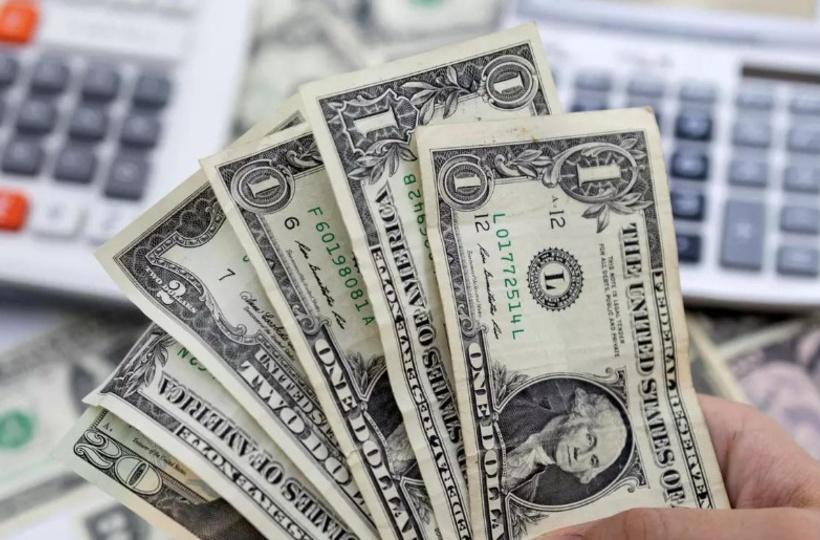
Further, forex reserves play a central role in stabilizing the value of a country’s currency. When the Kenyan shilling faces depreciation pressures, the CBK can intervene in the foreign exchange market by selling U.S. dollars or other reserve currencies to prop up the shilling. The stability of the shilling around 129 units to the dollar, supported by these reserves, gives more predictability. This is because Kenyan businesses and consumers rely on imported goods whose prices are influenced by exchange rates, helping to control the cost of living.

In addition, Kenya’s growing forex reserves improve our ability to service external debt. Much of Kenya’s public debt is denominated in foreign currencies, particularly U.S. dollars and euros. The increase in reserves gives the Kenyan government greater flexibility in meeting its debt obligations on time, which is crucial for maintaining the country’s credit rating and avoiding default. This also boosts investor confidence in Kenya’s fiscal discipline, increasing the country’s attractiveness to foreign investment.

RELATEDPOSTS

Kenya’s import cover hits 5.1 months as forex reserves surge

March 19, 2025

With a more stable currency on the back of rising forex reserves, and as the CBK eases lending rates in late 2024, Kenya’s businesses and consumers stand to benefit from cheaper borrowing costs. Lower rates typically encourage investment, as businesses can access capital more affordably, leading to increased economic activity. Consumers, on the other hand, may take advantage of lower interest rates to purchase homes, cars, or finance other major expenses, driving demand in various sectors of our economy.

Previous Post

One tourist, one tree: Kenya’s bold move towards sustainable travel

Next Post

Embracing the future: The rise of prefabricated homes in modern real estate

Kennedy Waweru

Kennedy Waweru

Related Posts

E-mobility

Kenya weighs payslip tax cuts as pressure mounts to ease cost of living

May 26, 2026
Business

NCBA group posts kSh 23.4 billion Profit in strong 2025 performance

May 22, 2026
KCB
Analysis

KCB posts record ksh 68.4 billion profit as regional growth pays off

May 21, 2026
John Mbadi, Kenya's treasury secretary, during an interview in Nairobi, Kenya, on Wednesday, Aug. 20, 2025. Kenya is in talks with China to convert dollar-denominated debt the East African nation owes its biggest bilateral lender to yuan and extend the repayment period, Mbadi said. Photographer: Kang-Chun Cheng/Bloomberg via Getty Images
Analysis

Finance bill 2026: Key changes set to shape kenya’s economy

May 20, 2026
Analysis

Co-op bank Q1 profit rises on digital growth

May 15, 2026
Economy

Treasury’s proposed VAT on digital payment platforms signals new pressure on Kenya’s cashless economy

May 14, 2026

LATEST STORIES

Bridging the Pension Coverage Gap in Kenya’s Informal Sector

May 26, 2026

Kenya Bankers Association’s 5% PAYE cut proposal

May 26, 2026

Kenya weighs payslip tax cuts as pressure mounts to ease cost of living

May 26, 2026
Kenya power technicians install a transformer at Ibutuka Village in Mbeere North in Embu County (Murithi Mugo, Standard)

Kenya plans coastal power barge as grid reserves run thin

May 25, 2026

The Expanding Role of SACCOs in Kenya’s Credit Market

May 25, 2026

Kenya finance bill 2026;Key taxes, digital payments, crypto rules and impact on Kenyans

May 25, 2026

Kilavuka exit sparks sh131m debate

May 25, 2026

The influence of global trade on investment and economic growth

May 25, 2026
  • About Us
  • Meet The Team
  • Careers
  • Privacy Policy
  • Terms and Conditions
Email us: editor@thesharpdaily.com

Sharp Daily © 2024

No Result
View All Result
  • Home
  • News
    • Politics
  • Business
    • Banking
  • Investments
  • Technology
  • Startups
  • Real Estate
  • Features
  • Appointments
  • About Us
    • Meet The Team

Sharp Daily © 2024