For years, the appeal of cryptocurrency in Kenya has been partly rooted in anonymity. Traders could buy Bitcoin, swap stablecoins, repatriate earnings, and pay for imports without the taxman looking over their shoulder. That could be about to change.
The Finance Bill 2026, tabled before the National Assembly on April 30, 2026, contains proposals that would fundamentally change the relationship between Kenya’s crypto market and the Kenya Revenue Authority (KRA). If lawmakers approve the measures, crypto exchanges and digital asset platforms, formally known as Virtual Asset Service Providers (VASPs), will be legally required to identify their Kenyan users and file comprehensive annual transaction records directly with KRA.
The proposals introduce two new sections into the Tax Procedures Act. The first, Section 6C, is direct in its scope.
“Each virtual asset service provider shall file an information return with the Commissioner in respect of all the virtual asset users with which it maintains a relationship in every calendar year and that are identified as reportable users or as having controlling persons that are reportable persons,” the Bill reads.
The records to be disclosed include how much traders paid for digital assets, how much they sold them for, any profits realized, and payments made for goods and services using cryptocurrency. Section 6D would enable Kenya to enter into automatic information sharing agreements with foreign tax authorities.


“Kenya may enter into an agreement with another country for the automatic exchange of information relating to transactions involving virtual assets,” the Bill states.
Kenya has emerged as one of Africa’s leading cryptocurrency markets, with an expanding user base exceeding 730,000 individuals and institutional players increasingly engaging with digital assets. Separate estimates place the figure higher, with approximately 8.5 percent of Kenya’s population, around 4.25 million people, owning digital assets. KRA has been monitoring the sector closely. During the financial year 2023/24, the agency collected KSh 10 billion from digital coin dealers, money collected from just 384 dealers. In its ninth corporate plan, KRA set a target of collecting KSh 60 billion from digital coin traders. Between 2023 and 2025, KRA reported over KSh 1.1 billion in revenue from the digital asset sector, a number expected to grow if mandatory exchange reporting is enacted.
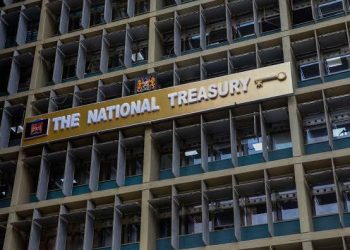
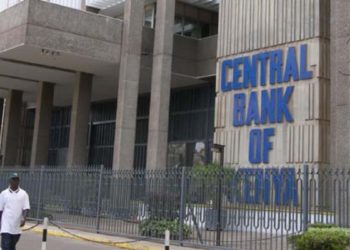
The Finance Bill 2026 follows a significant shift in how digital assets are taxed. Effective July 1, 2025, Kenya repealed the 3% Digital Asset Tax and introduced a 10% excise duty on fees charged by crypto exchanges, wallets, and related service providers. The previous regime had applied the tax to the full transaction value regardless of whether a profit was made, a structure widely criticized for penalizing traders even on losing positions. The VASP Act, enacted in 2025 and receiving presidential assent on October 15, 2025, assigns supervisory roles between the Central Bank of Kenya and the Capital Markets Authority, with the Cabinet Secretary for the National Treasury empowered to make further regulations. The Finance Bill 2026 builds on this framework by requiring exchanges to actively report user data to the revenue authority.
The proposals align Kenya with a broader international movement. The OECD’s Cryptoasset Reporting Framework (CARF), a global standard, came into force on January 1, 2026, making it harder for crypto investors in more than 40 countries to hide their gains from international tax authorities. From 2027, tax authorities in tens of countries will automatically share information received from exchanges with other participating tax authorities, which include all EU countries, as well as the Channel Islands, Brazil, the Cayman Islands, and South Africa. The global tax transparency framework has already facilitated the exchange of information on 123 million bank accounts holding assets worth €12 trillion as of 2022. A 2025 report by PwC noted that South Africa and Mauritius have introduced extensive crypto legislation, including requirements for exchanges and service providers to share sender and recipient information for transfers as part of anti-money laundering rules.
Enforcement, however, presents practical challenges. Decentralized exchanges like Uniswap or Raydium face unique compliance challenges because they operate on immutable smart contracts that cannot be modified to track or tax Kenyan users, and most do not perform Know Your Customer checks, making it nearly impossible to identify Kenyan traders. Centralized platforms such as Binance, which dominates Kenya’s cryptocurrency exchange landscape through its integration with M-Pesa, are more readily subject to regulatory oversight.
The Finance Bill 2026 is subject to public participation before lawmakers debate it. The crypto provisions are structured as a reporting requirement rather than an additional tax. Traders already paying the 10% excise duty on exchange fees would not face higher rates, but those who have not been declaring profits would come under greater scrutiny. The Bill is expected to undergo public participation before proceeding to parliamentary debate.