Sharp Daily
No Result
View All Result
Tuesday, August 18, 2026
  • Home
  • News
    • Politics
  • Business
    • Banking
  • Investments
  • Technology
  • Startups
  • Real Estate
  • Features
  • Appointments
  • About Us
    • Meet The Team
Sharp Daily
  • Home
  • News
    • Politics
  • Business
    • Banking
  • Investments
  • Technology
  • Startups
  • Real Estate
  • Features
  • Appointments
  • About Us
    • Meet The Team
No Result
View All Result
Sharp Daily
No Result
View All Result
Home Banking

Kenya unveils new crypto regulations to strengthen oversight of digital assets

Marcielyne Wanja by Marcielyne Wanja
July 29, 2026
in Banking, Economy, Investments, Money
Reading Time: 2 mins read

Kenya has taken a significant step toward regulating its fast-growing digital asset market by introducing comprehensive rules governing cryptocurrency businesses. The new Virtual Asset Service Providers (VASP) Regulations, 2026, establish a licensing framework for companies dealing in digital assets and introduce stricter consumer protection and operational standards.

The regulations come as cryptocurrencies continue to gain traction among Kenyans for cross-border payments, freelance earnings, investment, and international trade. By creating a formal legal framework, policymakers aim to encourage innovation while reducing risks such as fraud, money laundering, and cybercrime.

Under the new rules, a wide range of businesses including virtual asset exchanges, digital wallet providers, stablecoin issuers, tokenization platforms, and investment managers must obtain licenses before operating. The regulations also extend to foreign companies serving Kenyan customers, ensuring that international platforms comply with local regulatory requirements regardless of where they are incorporated.

For consumers, the changes promise greater transparency and accountability. Licensed providers will be required to verify customer identities, disclose fees and investment risks, provide secure complaint resolution mechanisms, and maintain stronger cybersecurity safeguards. These measures are expected to improve confidence in digital asset platforms while offering users better protection against financial misconduct.


RELATEDPOSTS

YouTube to count views from the first frame starting August 24

August 18, 2026

Kenya’s Sh1 trillion trade deficit: Why the import bill is becoming a bigger problem

August 18, 2026

The regulations also introduce substantial capital requirements, reflecting the different risk profiles of crypto businesses. Stablecoin issuers face the highest minimum paid-up capital threshold at Sh300 million, while virtual asset exchanges must maintain Sh100 million. The stricter requirements for stablecoins recognize their growing role as payment instruments and the need to ensure that issuers maintain adequate reserves to protect users.

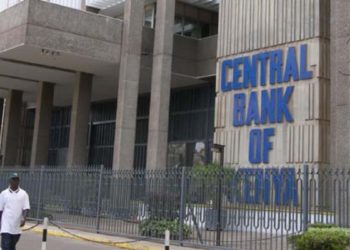
Oversight of the industry will be shared between the Capital Markets Authority (CMA) and the Central Bank of Kenya (CBK). While the CMA will supervise token issuance, exchanges, and investment activities, the CBK will oversee stablecoin issuers and businesses involved in currency conversion. Other agencies, including the Financial Reporting Centre and the Directorate of Criminal Investigations, will support enforcement where necessary.

Ultimately, the regulations represent Kenya’s most comprehensive effort yet to integrate digital assets into the country’s financial system. If implemented effectively, the framework could strengthen investor confidence, promote responsible innovation, and position Kenya as one of Africa’s leading markets for regulated virtual asset services


Previous Post

Reshaping Investments in Africa

Next Post

Understanding Portfolio Rebalancing and Its Importance in Long-Term Investing

Marcielyne Wanja

Marcielyne Wanja

Related Posts

Analysis

Kenya’s Sh1 trillion trade deficit: Why the import bill is becoming a bigger problem

August 18, 2026
John Mbadi, Kenya's treasury secretary, during an interview in Nairobi, Kenya, on Wednesday, Aug. 20, 2025. Kenya is in talks with China to convert dollar-denominated debt the East African nation owes its biggest bilateral lender to yuan and extend the repayment period, Mbadi said. Photographer: Kang-Chun Cheng/Bloomberg via Getty Images
Analysis

Treasury’s Sh78.6 billion tax cut: relief or more government borrowing?

August 17, 2026
Analysis

Kenya’s IMF Return: What a new program means for the economy

August 14, 2026
Analysis

CBK’s M-Pesa fraud case setback raises bigger questions on consumer protection

August 13, 2026
Analysis

Kenya’s IMF Funding Dilemma

August 13, 2026
Money

CBK holds benchmark rate at 8.75% for third consecutive time

August 12, 2026

LATEST STORIES

YouTube to count views from the first frame starting August 24

August 18, 2026

Kenya’s Sh1 trillion trade deficit: Why the import bill is becoming a bigger problem

August 18, 2026
John Mbadi, Kenya's treasury secretary, during an interview in Nairobi, Kenya, on Wednesday, Aug. 20, 2025. Kenya is in talks with China to convert dollar-denominated debt the East African nation owes its biggest bilateral lender to yuan and extend the repayment period, Mbadi said. Photographer: Kang-Chun Cheng/Bloomberg via Getty Images

Treasury’s Sh78.6 billion tax cut: relief or more government borrowing?

August 17, 2026

YouTube doubles watch hour requirements for partner program

August 17, 2026

NSSF Eyes Global Markets

August 17, 2026

The role of investment research in identifying mispriced assets

August 17, 2026

Can Kenya’s Tobacco Laws Keep Up With New Nicotine Products?

August 14, 2026

How Influencers Are Reshaping the Economics of Business Growth

August 14, 2026
  • About Us
  • Meet The Team
  • Careers
  • Privacy Policy
  • Terms and Conditions
Email us: editor@thesharpdaily.com

Sharp Daily © 2024

No Result
View All Result
  • Home
  • News
    • Politics
  • Business
    • Banking
  • Investments
  • Technology
  • Startups
  • Real Estate
  • Features
  • Appointments
  • About Us
    • Meet The Team

Sharp Daily © 2024