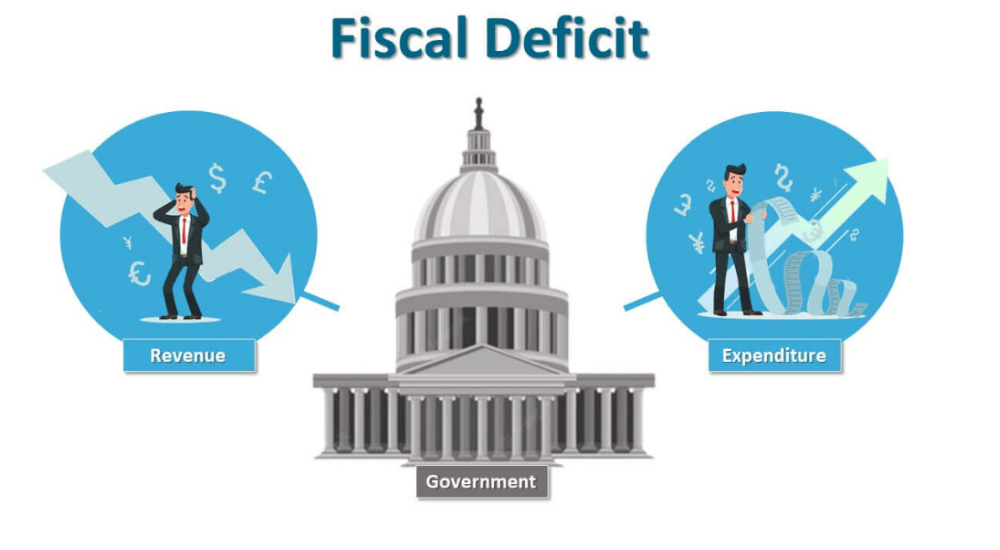
Fiscal deficits are a key aspect of macroeconomic management and have significant implications for financial markets, investment activity, and economic stability. A fiscal deficit occurs when government expenditure exceeds government revenue within a given period, requiring the state to finance the shortfall through borrowing or other means. While deficits can support economic growth during periods of weak demand, persistent or excessive deficits may influence investor confidence and market dynamics over the long term.
Governments often run fiscal deficits to finance infrastructure development, social programs, and economic stimulus measures. During periods of economic slowdown, increased public spending can stimulate demand, support employment, and encourage investment. In such cases, deficits may contribute positively to economic recovery and market performance by supporting business activity and consumer spending.
However, financing fiscal deficits typically requires increased borrowing through domestic or external debt issuance. Higher government borrowing can affect interest rates, particularly in domestic financial markets. When governments borrow heavily from local markets, competition for funds may increase, potentially raising borrowing costs for businesses and households. This phenomenon, commonly referred to as crowding out, may reduce private sector investment and affect economic growth prospects.
Bond markets are particularly sensitive to fiscal deficit trends. Investors closely monitor government borrowing requirements and debt sustainability indicators when evaluating sovereign risk. Expanding deficits may lead investors to demand higher yields on government securities as compensation for increased fiscal risk. Rising bond yields can affect broader financial markets, as government securities often serve as benchmarks for pricing other financial instruments.
RELATEDPOSTS


Equity markets may also respond to fiscal deficit developments. In the short term, expansionary fiscal policies that support economic growth can improve corporate earnings and investor sentiment. Sectors linked to infrastructure, construction, and consumer spending may particularly benefit from increased government expenditure. However, concerns about long-term debt sustainability or inflationary pressures resulting from persistent deficits may weigh on investor confidence over time.
Currency markets are another area influenced by fiscal deficits. Large and sustained deficits can contribute to concerns about macroeconomic stability, potentially weakening a country’s currency if investors perceive increased fiscal vulnerability. Exchange rate movements may, in turn, affect inflation, import costs, and foreign investment flows.
The relationship between fiscal deficits and inflation is also important in financial market analysis. Deficit financing, especially if supported by monetary expansion, can contribute to inflationary pressures if aggregate demand rises faster than productive capacity. Higher inflation may reduce purchasing power and influence monetary policy decisions, including interest rate adjustments that affect financial markets.
Investor perception of fiscal deficits often depends on how borrowed funds are utilized. Deficits used to finance productive investments such as infrastructure, education, and technology may support long-term economic growth and improve future revenue generation. In contrast, deficits driven primarily by recurrent expenditure without corresponding economic returns may raise concerns about sustainability.
Fiscal credibility and policy transparency are essential in maintaining market confidence. Clear fiscal strategies, responsible debt management, and effective public financial management systems can help reassure investors even during periods of elevated deficits. Coordination between fiscal and monetary authorities also plays a role in ensuring macroeconomic stability.
In conclusion, fiscal deficits have a complex relationship with financial market performance. While deficits can support economic growth and investment during challenging periods, they also influence interest rates, bond yields, inflation expectations, and investor confidence. Careful management of fiscal balances is therefore important in maintaining sustainable economic growth and stable financial markets.