In the fast-paced world of finance, a unique term has emerged, catching the attention of global markets: Cat Bonds. While the name may conjure images of feline-focused investments, the reality is even more intriguing.
Cat Bonds, a shortened form of Catastrophe Bonds, represent a novel financial instrument designed to mitigate the risks associated with natural disasters, and they are generating significant interest within the global finance community. Moreover, their potential applications in Kenya could be nothing short of revolutionary.
So, What Exactly is a Cat Bond?
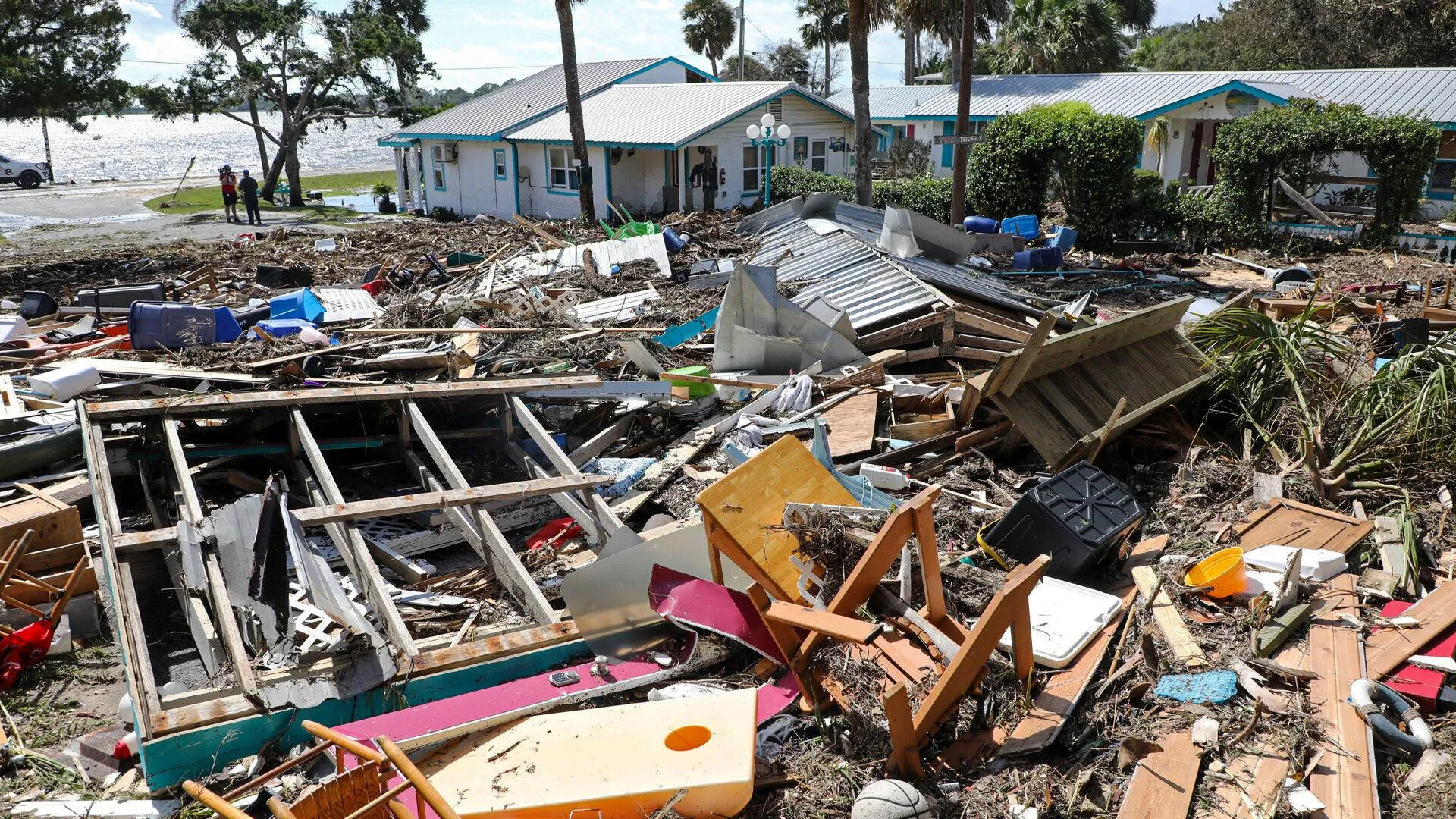
Picture a nation constantly on edge due to the perpetual threat of natural disasters, such as floods, earthquakes, and droughts. Conventional insurance may not offer comprehensive coverage, leaving the country financially exposed. Enter Cat Bonds, which function as a form of insurance for insurance companies. Investors acquire Cat Bonds and, in return, receive periodic coupon payments, mirroring the structure of conventional bonds.
Nevertheless, in the event of a predefined catastrophe, such as an earthquake surpassing a specific magnitude, investors could risk losing their principal, which would then be directed toward assisting the affected region.


Applications in Kenya: A Glimpse into the Future
Let’s shift our focus to Kenya. In East Africa, natural disasters like floods and droughts frequently wreak havoc on communities and economies. Now, envision Kenya harnessing Cat Bonds as a safety net during these crises. Instead of relying solely on government funds, which could strain the budget, Cat Bonds might offer immediate financial relief when catastrophe strikes. This, in turn, could expedite recovery efforts and facilitate a faster rebound for affected regions.
Empowering Communities and Infrastructure
Kenya, where agriculture plays a pivotal role in the economy, could see a revolution in how farmers cope with crop losses stemming from natural disasters. Imagine farmers having access to insurance policies underpinned by Cat Bonds. When drought strikes, their losses could be promptly compensated, ensuring the preservation of their livelihoods. This financial security could lead to more sustainable agricultural practices, empowering farmers to invest in their future without the perpetual fear of weather-related setbacks.
Furthermore, Kenya’s infrastructure development could experience substantial benefits. Cat Bonds might be used to safeguard public infrastructure projects, such as bridges and dams, against natural disasters. Should a catastrophe inflict damage on these structures, the funds from Cat Bonds could be channeled into swift repairs, reducing downtime and guaranteeing the uninterrupted operation of crucial services.
Challenges and Opportunities
Naturally, the introduction of Cat Bonds in Kenya would not be without its hurdles. Ensuring transparency, educating the public, and establishing a robust regulatory framework are pivotal steps in this process. Nevertheless, the potential rewards are immense. Cat Bonds hold the power to transform Kenya’s approach to disaster management, rendering the nation more resilient, proactive, and better prepared for the future.
In a world where financial innovation meets real-world challenges, Cat Bonds emerge as a beacon of hope, offering Kenya the prospect of a more secure and stable future in the face of natural disasters. As we venture into this new financial frontier, the potential for positive change is as vast as the Kenyan savannah, and its impact could be felt in communities across the nation.