Bitcoin Retreats Toward $65.5K
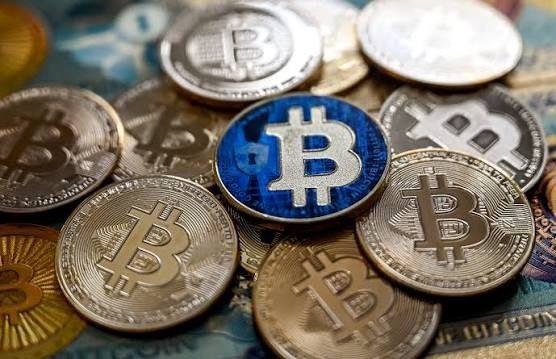
On July 23, 2026, Bitcoin retraced toward the USD 65.5 thousand, or approximately Ksh 8.5 million, level after spot buying activity temporarily slowed. This Bitcoin price pullback follows a strong 13.0% recovery earlier in July, when digital asset markets rebounded from significant mid-year losses. Consequently, the latest cooling period highlights a growing divergence between different groups of market participants. While institutional investors continue to accumulate Bitcoin through regulated investment products, retail derivatives traders remain cautious amid uncertain macroeconomic conditions.
Institutional Investors Continue to Support Bitcoin
One of the strongest forces supporting Bitcoin’s current price structure comes from continued institutional capital inflows. In particular, leading exchange-traded products such as BlackRock’s iShares Bitcoin Trust (IBIT) have attracted significant investor interest. Recently, U.S. spot Bitcoin ETFs recorded nearly USD 930.0 million, equivalent to approximately Ksh 120.4 billion, in total net weekly inflows. Furthermore, total net assets across U.S. spot Bitcoin ETF products have stabilized above USD 80.9 billion. As a result, these figures demonstrate the growing role of regulated investment vehicles in institutional strategies for long-term digital asset exposure.
Retail Traders Show Signs of Momentum Fatigue
In contrast, retail investors and short-term speculative traders have shown increasing signs of caution. On-chain market data indicates that total open interest in Bitcoin derivatives recently declined toward USD 21.7 billion, or approximately Ksh 2.8 trillion. This decline suggests that traders have closed or liquidated a significant number of leveraged long positions. Moreover, daily spot trading volumes across major centralized exchanges fell by more than 22.0%. Consequently, many retail investors appear reluctant to chase Bitcoin’s price higher without stronger macroeconomic catalysts, adding to the current Bitcoin price pullback.
Fed Decision Keeps Investors Cautious
Meanwhile, investors continue to adopt a risk-averse approach ahead of the Federal Reserve’s upcoming Federal Open Market Committee (FOMC) interest rate decision scheduled for late July 2026. The Federal Reserve currently maintains its benchmark interest rate within a 3.50% to 3.75% range, prompting financial markets to closely monitor upcoming policy guidance. Although prediction markets place an 82.0% to 93.0% probability on the central bank maintaining its current policy rate, traders remain cautious. In particular, investors continue to watch for hawkish signals in the Fed’s economic projections or indications that policymakers could maintain elevated interest rates for longer.


Geopolitical Risks Limit Bitcoin’s Upside
At the same time, geopolitical tensions and vulnerabilities across global supply chains continue to influence capital allocation across risk assets. Although recent regional ceasefires temporarily eased pressure on crude oil markets, ongoing fluctuations in energy prices continue to contribute to broader inflation concerns. Consequently, global macroeconomic funds continue to balance their digital asset exposure against traditional safe-haven investments. This cautious positioning has limited Bitcoin’s ability to generate immediate breakout momentum above key technical resistance levels around USD 67.0 thousand, equivalent to approximately Ksh 8.7 million.
Institutional Demand Strengthens Bitcoin’s Market Structure
Ultimately, the Bitcoin price pullback toward USD 65.5 thousand reflects a broader transition in the digital asset market. Rather than relying solely on retail-driven speculative demand, Bitcoin now benefits from growing institutional participation and sustained liquidity through regulated investment products. Furthermore, corporate treasuries and regulated asset managers continue to expand their exposure to digital assets, potentially creating a stronger market foundation than previous cycles. Moving forward, Bitcoin’s next major price direction will depend heavily on Federal Reserve policy guidance, broader macroeconomic conditions, and the ability of institutional inflows to absorb short-term speculative selling.