
Former NIC Bank CEO and ex-Cabinet Secretary James Macharia has been appointed as Sidian Bank’s new Board Chairman. This marks Macharia’s return to Kenya’s financial sector after more than a decade in public service, during which he held key ministerial positions under the Uhuru Kenyatta administration.
Macharia’s appointment is widely seen as part of a broader effort to strengthen Sidian’s Bank governance structure and reorient its strategic direction following the exit of Centum Investment Company Plc, which recently sold its 64.0% controlling stake in the bank for approximately KES 3.2 billion. The stake was acquired by a consortium of investors: Pioneer General Insurance, Wizpro Enterprises and Afram Limited, signaling a new chapter in the bank’s ownership and governance.
The board overhaul also includes the introduction of three new directors: Professor Paul Gachanja, an economist at Kenyatta University, Apollo Ong’ara a financial consultant and Madhav Bhandri, managing partner at Baker Tilly Kenya. Their appointments add a mix of academic financial and governance expertise to the board at a time when Sidian seeks to consolidate its market position amid intensified competition in Kenya’s mid-tier banking segment. Macharia succeeds James Mworia, who has chaired the Sidian Bank board since 2014 and oversaw its transformation from K-Rep Bank to Sidian Bank. Under Mworia’s leadership, the institution expanded its SME lending portfolio and strengthened its digital banking capabilities. He will continue to serve as a non-executive director ensuring continuity during the transition period.
Before the recent share sale to the local investor consortium, Sidian Bank had been the subject of a proposed acquisition by Access Bank Plc, one of Nigeria’s largest lenders. The 2022 deal, valued at approximately KES 4.3 billion, was intended to give Access Bank a significant foothold in Kenya’s SME focused banking segment. However, the transaction was terminated early in 2023 after both parties failed to meet key conditions precedent, including regulatory and completion requirements. The collapse of that deal temporarily stalled Sidian’s capital injection plans, but the subsequent sale to Kenyan investors has restored momentum and stability to the institution’s ownership structure.

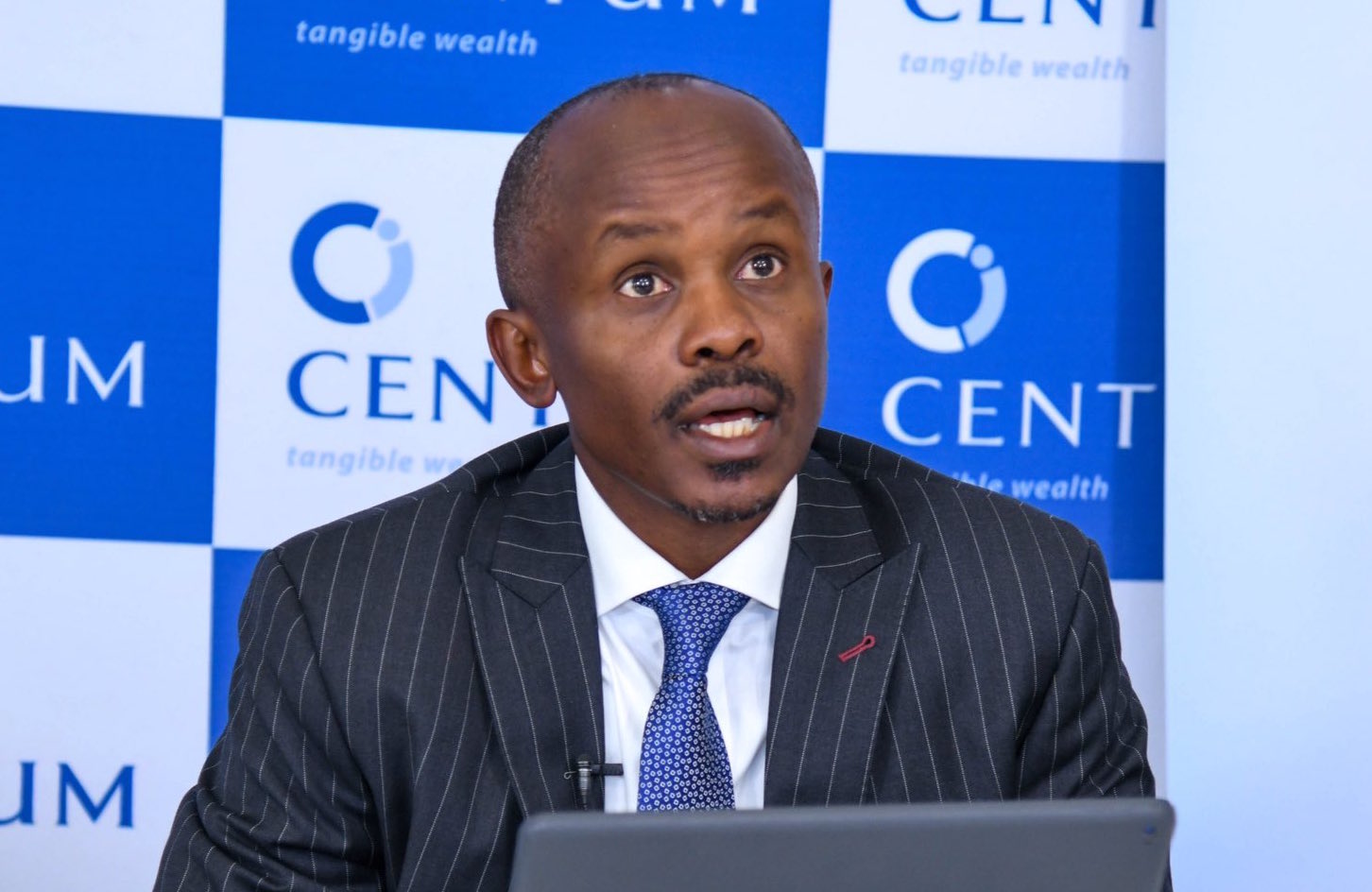
From an investment perspective, the leadership changes come at a pivotal time. Kenya’s banking sector has been undergoing consolidation, with mid-sized lenders seeking fresh capital and strategic partners to remain competitive. Sidian’s new ownership structure, coupled with the appointment of a seasoned banker like Macharia, could signal a renewed focus on profitability, operational efficiency and product innovation, all key factors that investors typically watch when assessing growth prospects for the sector.
Macharia’s track record in both the public and private sectors positions him well to navigate regulatory dynamics and foster stakeholder confidence. His previous tenure at NIC Bank, where he oversaw cross-border expansion into Tanzania and Uganda suggests that Sidian bank may pursue regional ambitions or renewed partnerships in the coming years. For investors and market watchers, Sidian Bank’s governance realignment can be interpreted as a strategic reset aimed at unlocking shareholder value and positioning the bank for sustainable growth under a diversified ownership base.