Kenya may soon find itself back at the IMF negotiating table. But the bigger question is not whether the country needs another program, it is what Kenya will have to give up to secure it.
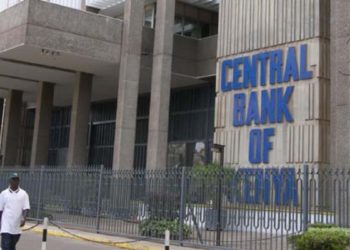
The Central Bank of Kenya (CBK) says an IMF team is expected in Nairobi soon for consultations that will include discussions on a new fund-supported programme. The talks come after Kenya’s previous $3.6 billion IMF arrangement ended in April 2025.
The timing is significant.
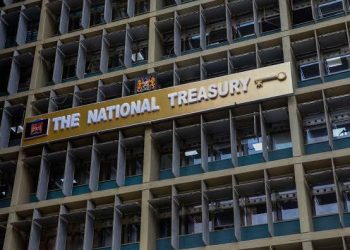
Kenya is entering the discussions with a heavy fiscal burden, limited room for additional borrowing and growing pressure to demonstrate that government spending is sustainable. A new IMF programme could provide financing and strengthen investor confidence, but it is unlikely to come without conditions.


The previous programme already pushed Kenya towards higher revenues, spending controls and fiscal consolidation. A new arrangement could once again place tax policy and public expenditure under close scrutiny.
That creates a difficult balancing act for policymakers. How does the government raise more revenue without placing even greater pressure on households and businesses? And how far can spending be cut without weakening essential public services and economic growth?
The stakes are particularly high because Kenya’s access to affordable financing depends partly on perceptions of fiscal credibility. An IMF-backed programme could reassure international investors and development partners that Nairobi remains committed to stabilising its public finances. It could also unlock additional external financing and reduce pressure on domestic borrowing.
However, the political and economic costs cannot be ignored.
Higher taxes can weaken consumer spending and business activity, while aggressive expenditure cuts can slow growth. At the same time, delaying fiscal reforms could increase borrowing costs and undermine confidence in Kenya’s ability to manage its debt.
The CBK has maintained its benchmark rate at 8.75 percent, highlighting the broader effort to support economic activity while keeping inflation and financial stability in check.
The IMF talks therefore represent more than a search for fresh funding. They will test whether Kenya can strike a sustainable balance between debt management, economic growth and the cost of fiscal consolidation.
The real question is not whether an IMF programme can provide Kenya with another financial lifeline. It is whether this time, the country can use that lifeline to reduce its dependence on external financing altogether.