Sharp Daily
  • News
  • Business
  • Technology
  • Real Estate
  • Opinion
  • About Us
No Result
View All Result
Sharp Daily
  • News
  • Business
  • Technology
  • Real Estate
  • Opinion
  • About Us
No Result
View All Result
Sharp Daily
No Result
View All Result
Home Analysis

CBK 10th rate cut: A simple breakdown for everyday kenyans

serena wayua by serena wayua
February 13, 2026
in Analysis, Business, Counties, Economy, Features, Healthcare, Investments, Money, News
Reading Time: 2 mins read

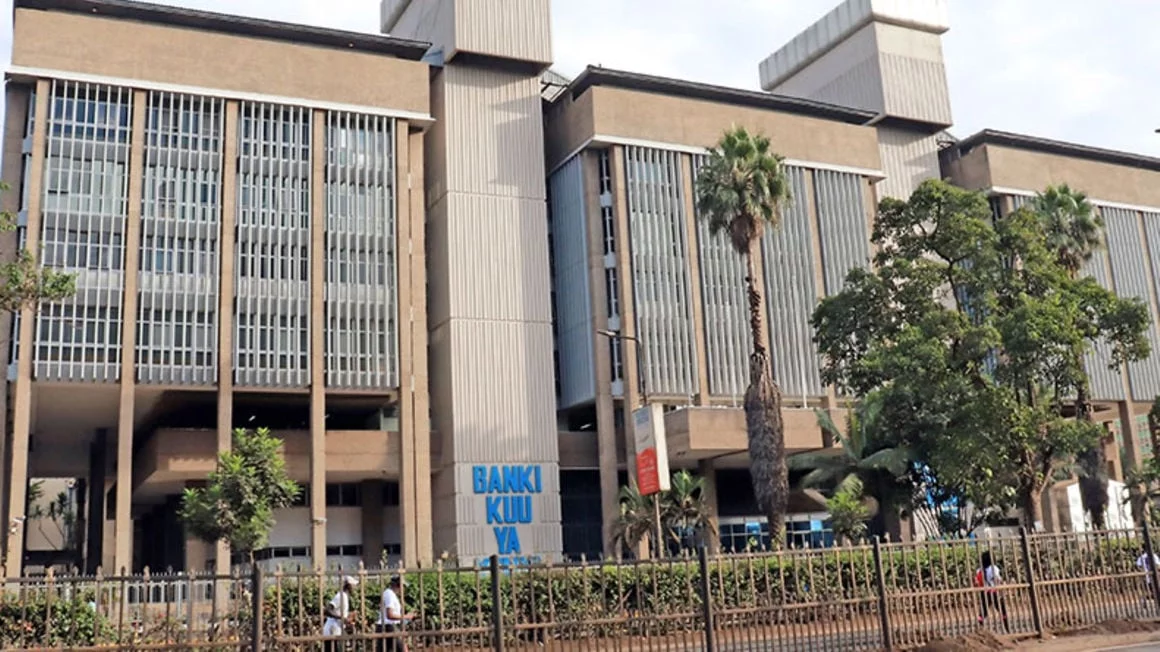
The Central Bank of Kenya (CBK) has announced its 10th consecutive cut of the Central Bank Rate (CBR), lowering it from 9.0% to 8.75%. For ordinary Kenyans, this essentially means that borrowing money is now cheaper, as the CBR is the interest rate at which commercial banks borrow from the central bank. When this rate falls, banks can reduce the interest they charge on loans, making it easier for people and businesses to access credit. The decision aims to stimulate economic activity by encouraging spending and investment while keeping inflation under control.

For everyday borrowers, the rate cut can have a direct impact on loans and mortgages. Major banks such as Equity Bank, KCB, and NCBA are expected to lower their lending rates to align with the new CBR. This could translate to lower monthly repayments on personal, business, or home loans, giving borrowers some relief. However, the benefits may not be immediate, as banks take time to adjust rates across all their products. Additionally, the exact loan rate an individual receives will depend on their credit profile and the type of loan.

While borrowers benefit, savers may experience slightly lower returns. Banks and money market funds earn less from lending and short-term government securities when the CBR falls, and this usually results in a gradual decline in yields on deposits and money market fund investments. Therefore, individuals who rely on interest income may notice smaller returns over time, even as borrowing becomes more affordable.

The rate cut reflects CBK’s broader goal of supporting economic growth. Lower borrowing costs encourage businesses to expand and consumers to spend rather than keep money idle, which can boost overall economic activity. At the same time, it sends a signal that inflation is under control, allowing for more flexible monetary policy. For civilians, understanding this connection between the central bank rate, bank lending, and savings helps in planning personal finances and making informed investment decisions.


RELATEDPOSTS

Dividend Concentration Deepens as Safaricom, Banks Capture 80% of NSE Payouts

September 11, 2026

Nedbank’s NCBA acquisition set to reshape east africa’s banking Landscape

August 5, 2026

In summary, the CBK 10th rate cut is designed to make loans cheaper and stimulate spending, but it may also lead to slightly lower returns for savers. Knowing how these changes affect loans, deposits, and money market funds allows Kenyans to make smarter financial choices in response to evolving economic conditions.


Previous Post

NSSF early pension access proposal

Next Post

Ziidi Trader, CDSC Accounts and the Recalibration of Retail Market Intermediation in Kenya

serena wayua

serena wayua

Related Posts

Analysis

Kenya’s Listed Banks Post Stronger Earnings in H1’2026, Powered by Fees, Not Just Interest

September 21, 2026
News

Liquidity Risk: Why the Ability to Exit an Investment Matters

September 21, 2026
Economy

Why Kenyan businesses must take climate risk more seriously

September 18, 2026
News

How Kenyan Households Can Build More Resilient Portfolios

September 18, 2026
News

Safaricom Divestiture Reversed: High Court Nullifies Kshs 204.3 bn Vodacom Stake Sale

September 17, 2026
Analysis

Family bank joins NSE: What it means for investors

September 17, 2026

LATEST STORIES

Apple weighs Stablecoins integration for Apple Pay,as Cytonn push digital dollars mainstream

September 22, 2026

TikTok set to begin withholding tax on Kenyan creator payouts

September 21, 2026

Kenya’s Listed Banks Post Stronger Earnings in H1’2026, Powered by Fees, Not Just Interest

September 21, 2026

Liquidity Risk: Why the Ability to Exit an Investment Matters

September 21, 2026

Turning Pension Contributions into Retirement Income

September 21, 2026

Why Kenyan businesses must take climate risk more seriously

September 18, 2026

How Kenyan Households Can Build More Resilient Portfolios

September 18, 2026

Cost-cutting strategies to make your pension last

September 18, 2026
  • About Us
  • Meet The Team
  • Careers
  • Privacy Policy
  • Terms and Conditions
Email us: editor@thesharpdaily.com

Sharp Daily © 2024

No Result
View All Result
  • News
  • Business
  • Technology
  • Real Estate
  • Opinion
  • About Us

Sharp Daily © 2024