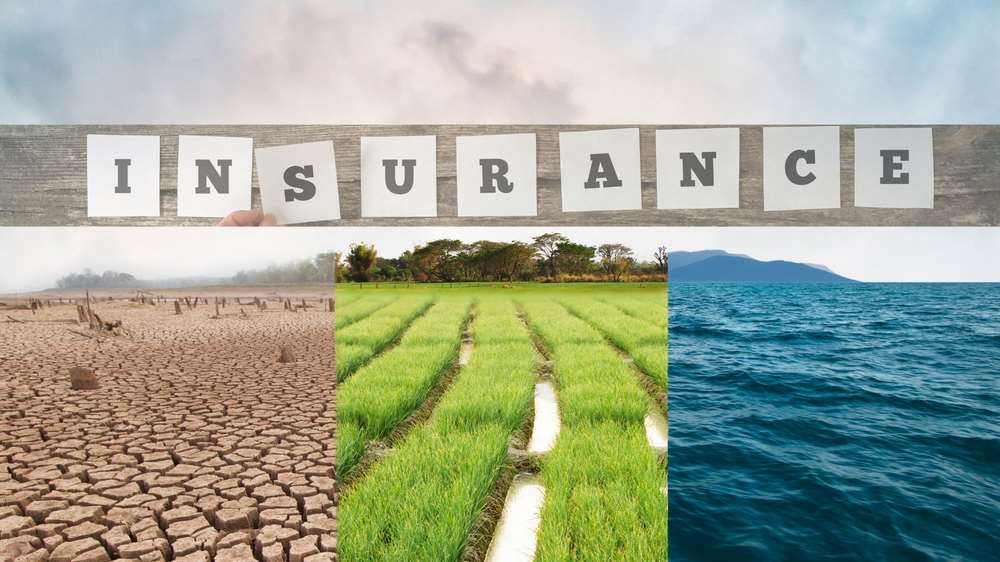
In Kenya, climate change is a global phenomenon with far-reaching implications for the insurance industry. The increasing frequency and intensity of extreme weather events, including floods, droughts, and storms, have resulted in substantial economic losses for individuals and communities. Amid these challenges, a subtle yet significant impact is emerging: a changing landscape in insurance adoption within the nation.
According to the latest industry report from the Insurance Regulatory Authority (RBA), the Kenyan insurance sector has demonstrated resilience, recording a 14.8% growth in gross premiums, reaching KES 101.5 billion in Q1 2023, up from Kshs 88.4 billion in Q1 2022. General insurance contributed 61.6% of the premium income, with motor and medical insurance being the major contributors. Long-term business also experienced a 12.9% increase in gross premiums.
As climate change transforms the risk environment, the Kenyan insurance industry must adapt to remain relevant and effective in providing financial protection to its citizens. A report by the Alliance for Science highlights that floods and droughts cause property damage, crop devastation, and displacement, resulting in substantial economic losses for individuals and communities. This underscores the need for a robust insurance sector capable of delivering swift compensation and aid to those affected.
Nonetheless, a significant obstacle to insurance adoption in Kenya is the lack of financial literacy, particularly in rural areas. Many individuals are unaware of the advantages of insurance and how it functions. As climate change underscores the need for financial protection, there is a compelling argument for investing in educational and awareness campaigns.


Insurers in Kenya are recognizing the need to innovate and develop tailored insurance products that address evolving risks. Notably, parametric insurance is gaining popularity – a type of coverage that triggers payouts based on pre-defined thresholds, such as rainfall levels or wind speeds. This insurance type streamlines the claims process and provides quicker payouts, offering crucial support to affected individuals and businesses. In the first quarter of 2023, the Kenyan insurance industry saw the introduction of the Drive Index-Based Livestock Scheme by Heritage Insurance Company Limited, as well as the Britam Flood Insurance Plan and Britam Livestock Insurance.
It’s essential to note that Kenya’s crop and livestock insurance has seen growth through government initiatives like the Kenya Livestock Insurance Program (KLIP) and the National Agricultural Insurance Policy (NAIP). These programs aim to mitigate risks for farmers against climatic shocks. Despite initial low adoption due to perceived risks, ongoing efforts aim to increase the accessibility and affordability of agricultural insurance.
Notably, climate change is prompting a shift in how risk is perceived, as traditional risk models based on historical data are becoming unreliable in predicting the scale and frequency of climate-related events. Consequently, insurers must overcome the challenge of accurately pricing premiums and assessing risks in this dynamic environment.