Sharp Daily
No Result
View All Result
Thursday, April 2, 2026
  • Home
  • News
    • Politics
  • Business
    • Banking
  • Investments
  • Technology
  • Startups
  • Real Estate
  • Features
  • Appointments
  • About Us
    • Meet The Team
Sharp Daily
  • Home
  • News
    • Politics
  • Business
    • Banking
  • Investments
  • Technology
  • Startups
  • Real Estate
  • Features
  • Appointments
  • About Us
    • Meet The Team
No Result
View All Result
Sharp Daily
No Result
View All Result
Home News

Government taps special forex reserves to settle KES 35 billion oil debts

Brian Murimi by Brian Murimi
September 26, 2023
in News
Reading Time: 2 mins read

The Kenyan government has paid off nearly a quarter billion dollars in petroleum import bills using dedicated forex reserves, marking a major accomplishment in its efforts to stabilize the economy after a crippling dollar shortage crisis earlier this year.

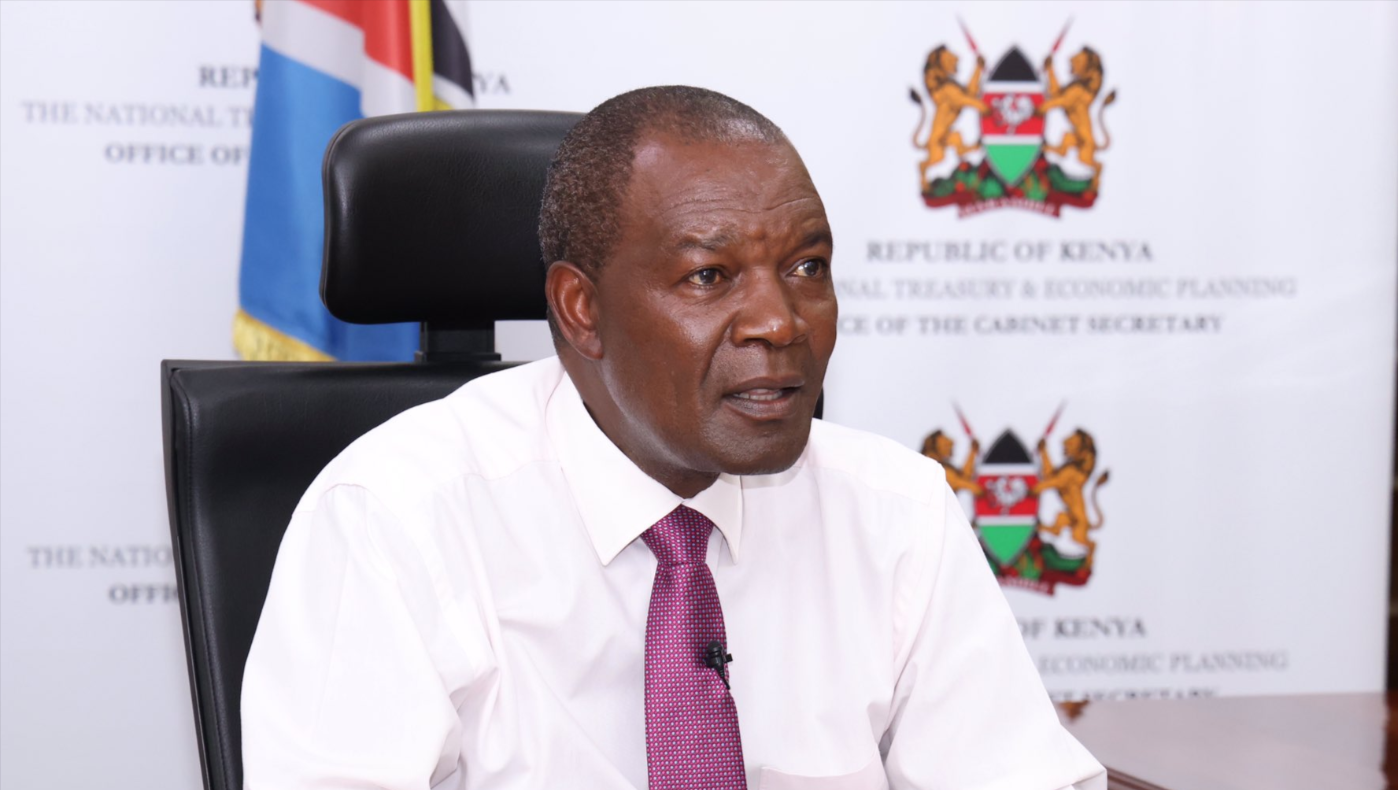
The first three Letters of Credit totaling $238 million (KES 35 billion) for oil purchases from March have already been settled without tapping into regular foreign exchange markets, Treasury Cabinet Secretary Njuguna Ndung’u announced Tuesday.

“So far, these are the earliest maturing LCs under the G-to-G arrangement. It is worthwhile noting that these LCs, with a combined value of USD 238,842,710.12, have already been settled (prepaid before maturity) without distorting the forex market,” Ndung’u said.

Read more: Report: Kenya trails EAC neighbors in ease of doing business

RELATEDPOSTS

Rising oil prices put pressure on Kenya’s economy

March 17, 2026

How businesses can stay profitable amid currency volatility

June 10, 2025

The CS said the dollar escrow account holds $1 billion while the shilling account contains KES 115 billion to guarantee on-time payment of upcoming maturing letters of credit.

“The G-to-G arrangement has therefore been de-risked and more Financing Parties have joined in with others at advanced stages,” Ndung’u noted, referring to the government-to-government oil supply agreements entered in March.

The unconventional G-to-G deals were hastily arranged earlier this year after a severe dollar shortage led the shilling to depreciate sharply, causing currency volatility and threatening Kenya’s fragile economic recovery.

By allowing deferred payments to oil suppliers, the contracts aim to ease demand on Kenya’s foreign reserves and stabilize the shilling’s exchange rate. So far, this unorthodox strategy appears to be working.

Read more: Africa pursues borderless trade at Nairobi Summit

“Spot purchases for the USD by about 100 Oil Marketing Companies had previously created speculative pressure in the spot market,” Ndung’u explained. “The G-to-G arrangement has eliminated this activity, protecting the economy from negative effects.”

In addition, thirty-five petroleum shipments have been delivered smoothly under the G-to-G deals, ensuring steady fuel supplies for Kenya and neighboring countries.

Leveraging its bulk purchasing power, Kenya has also negotiated lower freight premiums from suppliers, even as global shipping costs surge worldwide.

“The country has realized significant benefits from the implementation of the G-to-G arrangement,” Ndung’u said optimistically.

Ndung’u said officials will continue monitoring the oil import agreements closely to maximize their economic impact and bolster energy security.

Email your news TIPS to editor@thesharpdaily.com

Previous Post

Report: Kenya trails EAC neighbors in ease of doing business

Next Post

Chipper Cash CEO Ham Serunjogi named to Biden’s Africa Advisory Council

Brian Murimi

Brian Murimi

Brian Murimi is a communications and advocacy professional with a focus on innovation, policy and continental development in Africa. A former journalist, he now works at the intersection of knowledge, strategy, and pan-African institution building.

Related Posts

Equity Group Managing Director And CEO Dr. James Mwangi
Analysis

Equity CEO earns kSh 90m as equity bank posts record profits

April 2, 2026
News

Liquidity in financial markets and its investment implications

April 2, 2026
News

Fuel price shock looms as firms bypass G-to-G deal

April 1, 2026
Analysis

Kenya approves safaricom stake sale as fiscal pressures mount

April 1, 2026
News

When sick leave isn’t automatic: What Kenya’s new court ruling means for workers

April 1, 2026
News

Behavioral biases in investment decision-making

April 1, 2026

LATEST STORIES

Equity Group Managing Director And CEO Dr. James Mwangi

Equity CEO earns kSh 90m as equity bank posts record profits

April 2, 2026

Kenya Targets Sh152 Billion to Become Africa’s AI Hub

April 2, 2026

Liquidity in financial markets and its investment implications

April 2, 2026

Honda backed startup plans Kenya plant for desert sand road material

April 1, 2026

Fuel price shock looms as firms bypass G-to-G deal

April 1, 2026

The rise of umbrella funds in the era of Tier II transfers

April 1, 2026

Kenya approves safaricom stake sale as fiscal pressures mount

April 1, 2026

When sick leave isn’t automatic: What Kenya’s new court ruling means for workers

April 1, 2026
  • About Us
  • Meet The Team
  • Careers
  • Privacy Policy
  • Terms and Conditions
Email us: editor@thesharpdaily.com

Sharp Daily © 2024

No Result
View All Result
  • Home
  • News
    • Politics
  • Business
    • Banking
  • Investments
  • Technology
  • Startups
  • Real Estate
  • Features
  • Appointments
  • About Us
    • Meet The Team

Sharp Daily © 2024