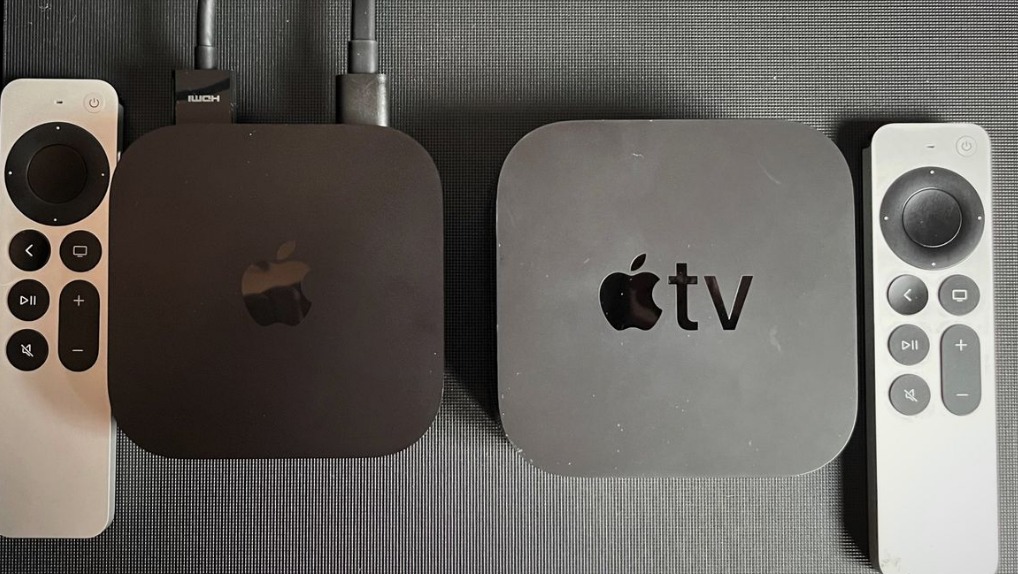
Apple is taking a significant step deeper into the Kenyan market, not by opening a physical Apple Store, but by bringing some of its biggest digital services to consumers for the first time. From September 2026, Kenyan customers with a paid iCloud+ subscription can access Apple TV and Apple Arcade at no additional cost, marking the first time Apple TV has officially been made available in Kenya.
The move is part of Apple’s broader expansion of its services business into more than 100 countries and regions. Apple says the rollout will extend Apple TV to 59 additional countries, taking its global availability to 170 markets. Kenya is therefore being brought into a much wider international services ecosystem, alongside markets such as Nigeria, Ghana, Uganda, Tanzania, India and Saudi Arabia.
What makes the Kenyan launch particularly interesting is the pricing model. Apple is not introducing Apple TV as a separate premium subscription. Instead, it is bundling the service with iCloud+. The entry-level 50GB iCloud+ plan remains at US$0.99 per month, roughly KSh128, meaning consumers effectively receive Apple TV and Apple Arcade without an increase in the existing subscription price.
The value proposition becomes more significant when viewed alongside what iCloud+ already provides. Subscribers receive cloud storage for photographs, files and device backups, as well as privacy features such as Hide My Email. Apple Arcade adds access to more than 200 games, while Apple TV brings Apple’s catalogue of original films, documentaries and series to Kenyan viewers. The subscription can also be shared with up to five other family members through Family Sharing.


The strategic question is why Apple is choosing to expand services in Kenya now. Rather than relying solely on expensive hardware sales, the company appears to be broadening the number of reasons for consumers to remain within its ecosystem. Once a customer stores photographs, backs up an iPhone, watches Apple TV and uses Apple Arcade, switching away from Apple’s ecosystem becomes more complicated.
This is particularly relevant in Kenya, where Apple has historically had a presence through authorised resellers rather than its own physical retail stores. Apple’s Kenyan website directs customers to Apple Authorised Resellers, confirming that the company has served the hardware market without operating an Apple-owned retail outlet in the country.
The services expansion could therefore be more consequential than simply giving Kenyans another streaming platform. It signals that Apple sees enough value in the Kenyan market to expand its digital ecosystem directly, even without establishing an Apple Store. The company already has a Kenyan-specific website and now has Apple TV, Apple Arcade and expanded iCloud+ services available to local users.
For Kenyan consumers, the immediate impact is straightforward; more Apple services at no additional cost for existing paid iCloud+ subscribers. For Apple, however, the bigger opportunity is potentially turning Kenya from a market where consumers primarily buy Apple devices into one where they also pay for and regularly use Apple’s growing portfolio of digital services.