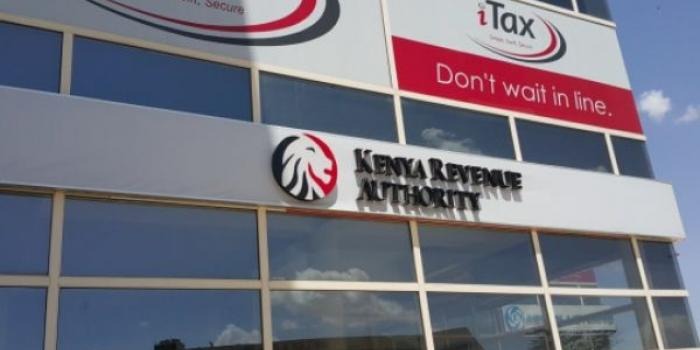
The Kenya Revenue Authority (KRA) is transferring responsibility for cargo tracking equipment from itself to a roster of approved private vendors, marking one of the most significant changes to the country’s customs monitoring regime in years.
In a public notice issued on September 11, 2026, KRA announced it had approved 15 vendors to provide electronic monitoring and tracking services for goods under customs control. The shift covers the electronic seals used to track cargo moving through Kenya’s borders and ports under the Regional Electronic Cargo Tracking System (RECTS), a platform shared across the East African Community.
Under the new arrangement, described by KRA as a “Multi Vendor, User Owned Seals model,” businesses will enter into private commercial agreements with their preferred providers, ending the previous system in which the electronic seals were owned by KRA. Users are free to select any of the 15 approved vendors, rather than sourcing devices from a government store.
The change was announced by the Commissioner for Customs and Border Control, who said KRA’s government owned electronic seals would be phased out by October 26, 2026, though a subsequent notice cited by other outlets pushed the cutoff to October 28. The new model applies to both dry cargo, tracked through standard e-seals, and wet cargo such as fuel, monitored via electronic fuel seals.
KRA said the framework applies broadly, covering importers, exporters, clearing and forwarding agents, transporters, bonded warehouse operators and other stakeholders involved in moving goods under customs control, as well as partner states in the regional system.


The reform comes as KRA first proposed the idea in a notice dated January 30, 2026, citing the need to modernize cargo monitoring in step with rising trade volumes, followed by a public engagement session in February and a call in March for companies to apply for pre qualification as seal suppliers. Successful applicants were required to demonstrate proven experience in cargo tracking at scale, maintain regional workshops, and keep a minimum stock of 1,000 operational seals at all times.
KRA has framed the change as a response to operational strain. The changes follow persistent cases of long queues and costly delays faced by transporters and cargo operators due to shortages of government owned electronic tracking seals, and the new model is intended to support efforts to expand access to electronic seals and ease congestion at the Port of Mombasa.
Businesses have been urged to identify a vendor and confirm pricing and onboarding terms before the deadline, since the framework now runs on commercial contracts rather than a centralized government process.