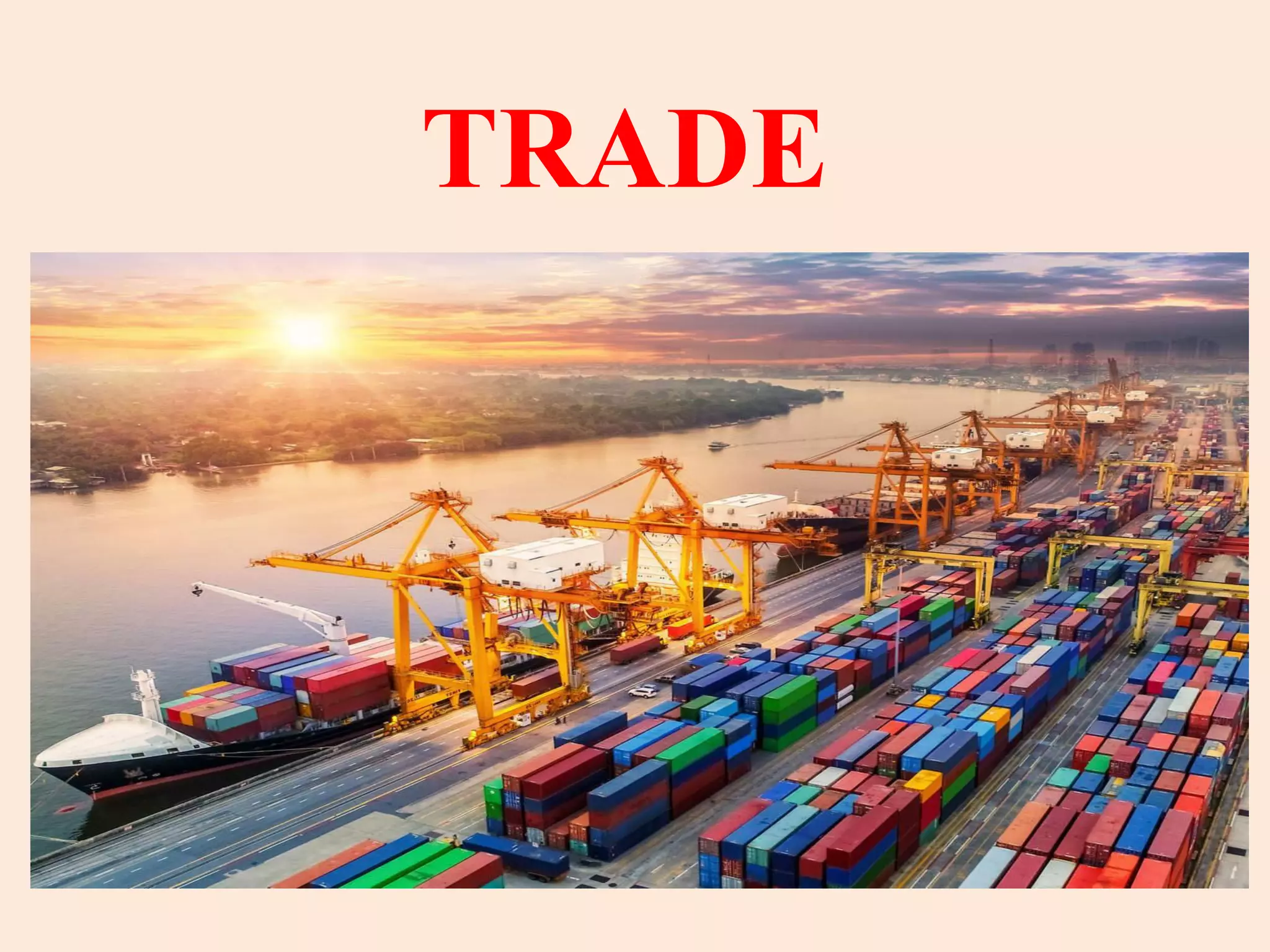
Kenya is selling more to the world, but it is spending even more buying from it. The country’s goods trade deficit has climbed to nearly Sh1 trillion, exposing a widening gap that could put renewed pressure on foreign exchange, inflation and the shilling.
Data from the Kenya National Bureau of Statistics (KNBS) shows that Kenya’s merchandise trade deficit widened by 27.3 percent to Sh998.17 billion in the six months to June 2026, up from Sh783.9 billion during the same period last year. It is the fastest first-half expansion in four years.
The worrying part is that the deterioration is happening despite stronger exports. Kenya’s exports increased by 14.1 percent to a record Sh632.3 billion, compared with Sh554.1 billion a year earlier. Coffee exports rose by 8.1 percent to Sh38.2 billion, while cut-flower earnings increased by 5.5 percent to Sh49.7 billion.
Yet imports grew much faster, rising from Sh1.34 trillion to Sh1.63 trillion. That is an increase of Sh292.5 billion, more than offsetting the gains made by exporters.
So, what is driving the imbalance? Fuel is the biggest culprit. Imports of fuel and lubricants rose by 50.2 percent to Sh412.6 billion, contributing approximately Sh138 billion of the increase in the import bill. Kenya’s dependence on imported petroleum products means international energy shocks quickly become domestic economic shocks.
The impact is broader than the fuel pump. Machinery and capital equipment imports increased by 19.5 percent to Sh216.2 billion, while transport equipment imports rose by 19.6 percent to Sh151 billion. Food and beverages also increased by 20.6 percent to Sh169 billion.
This suggests Kenya’s import problem is not simply about consumers buying more fuel. Businesses are also importing machinery, equipment and industrial inputs, pointing to stronger investment and production activity but simultaneously increasing the country’s demand for foreign currency.
The Middle East conflict has added another layer of uncertainty by pushing up global energy costs and disrupting supply chains. For a country that relies heavily on imported fuel, this leaves the trade balance vulnerable to events beyond its control.
There are some reasons for optimism. CBK expects exports to grow by 8.1 percent in 2026 and 7.1 percent in 2027, supported by horticulture, machinery and transport equipment. However, fresh produce performance remains uneven, with fruit export earnings falling 26.2 percent to Sh21.6 billion, while vegetable earnings declined 8.7 percent to Sh10 billion.
The bigger policy question is therefore not simply how Kenya can export more. It is what Kenya can produce domestically to reduce the need for expensive imports.
A Sh1 trillion trade deficit is a reminder that export growth alone will not fix the imbalance if the economy continues to rely heavily on imported energy, machinery and industrial inputs. Kenya’s long-term resilience will depend on moving up the value chain, expanding higher-value exports and reducing exposure to global commodity shocks.
The numbers may point to a growing economy but they also reveal an economy that still spends heavily abroad to keep that growth running.