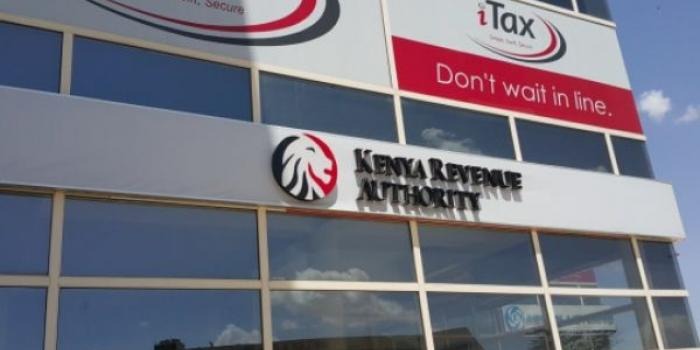
The Kenya Revenue Authority (KRA) has begun matching what businesses declare on their tax returns against what its own systems already know. Effective January 1, 2026, KRA started validating income and expenses declared in both individual and non-individual income tax returns against data from TIMS/eTIMS, withholding tax records, and customs import information.
The validation applies to income tax returns for the 2025 tax year, filed through the iTax platform, and is designed to improve the accuracy of filings while reducing under-reporting. In practice, this means a business can no longer report one income figure to KRA while its electronic tax invoices, customs entries, or withholding tax deductions tell a different story. If, for example, a company declares lower turnover than what its eTIMS generated invoices show for the same period, the mismatch is automatically flagged for review.
The eTIMS platform sits at the centre of this shift. KRA’s enforcement is now largely automated, with its systems cross referencing tax returns against eTIMS records, withholding tax returns, and customs import data, and discrepancies immediately flag businesses for deeper scrutiny and potential audits. Expenses claimed for tax deductions must generally be backed by an eTIMS compliant invoice transmitted with the purchaser’s PIN, and recent regulatory changes extended eTIMS’ reach beyond VAT to affect what counts as a deductible expense for corporate income tax.
The push also targets businesses that under declare or file nil returns. KRA is specifically targeting nil filers who report no taxable income by cross-referencing their declarations against digital transaction records, aiming to match withholding tax deducted against income actually declared.


The system has continued to evolve through the year. Following an iTax upgrade in May 2026, income and expense verification became fully integrated into the platform, meaning unsupported expenses may be disallowed outright, potentially triggering penalties or audits. More recently, KRA integrated eTIMS with the government’s IFMIS payment system, requiring suppliers to government entities to ensure their invoices match eTIMS records, with any discrepancy delaying payment.
For businesses, the message is consistent, records held internally must now match records already sitting in KRA’s databases. This means registering for and correctly using eTIMS, verifying that suppliers also issue compliant invoices, keeping withholding tax certificates in order, and reconciling customs import declarations with what is reported as cost of goods. Businesses that fail to align these records risk disallowed expenses, flagged returns, and increased audit exposure under what tax advisors describe as a move toward continuous, automated compliance enforcement.