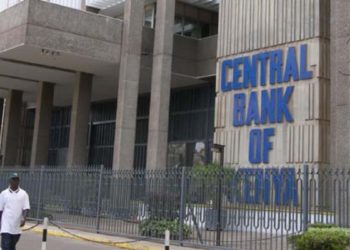
Kenya’s inclusion on the United States Trade Representative watchlist for counterfeit medicines is not just a regulatory concern, it is a signal of deeper structural vulnerabilities embedded within global and local supply chains. At first glance, the issue appears to be one of weak enforcement or porous borders. But the reality is more complex: counterfeit medicines thrive at the intersection of global trade dynamics, domestic supply gaps, and affordability pressures.
At the global level, pharmaceutical supply chains are highly fragmented. Active pharmaceutical ingredients may be produced in one country, processed in another, and packaged in a third before reaching markets like Kenya. This fragmentation creates opacity. The longer and more complex the chain, the harder it becomes to verify authenticity at each stage. Illicit actors exploit these blind spots, inserting substandard products into legitimate distribution channels, often indistinguishable from genuine drugs.
For Kenya, which relies heavily on imported pharmaceuticals, this exposure is amplified. Limited domestic manufacturing capacity means the country is structurally dependent on external suppliers. While this ensures access to a wide range of medicines, it also increases vulnerability to compromised supply chains. In effect, Kenya imports not just medicine, but also the risks embedded within global production and distribution systems.
However, supply alone does not explain the persistence of counterfeit drugs. Demand-side pressures are equally important. Large segments of the population face affordability constraints, pushing them toward informal markets where prices are lower but quality assurance is weak. In these markets, counterfeit medicines are not necessarily perceived as counterfeit, they are simply the most accessible option. This creates a self-reinforcing cycle: constrained access to affordable, quality medicines sustains demand for lower-cost alternatives, which in turn incentivizes the supply of fakes.


Institutional capacity further shapes this landscape. Agencies such as the Pharmacy and Poisons Board are tasked with regulating the pharmaceutical market, but face challenges ranging from resource constraints to the sheer scale of monitoring required in an increasingly complex trade environment. Enforcement, therefore, becomes reactive rather than preventative, often addressing symptoms rather than systemic causes.
What emerges is not simply a law enforcement problem, but a supply chain problem. Addressing it requires a shift in focus from border control to system design. Strengthening traceability through digital tracking systems, enhancing regional regulatory coordination, and investing in local pharmaceutical manufacturing can reduce dependence on opaque global networks. At the same time, improving affordability and access within formal healthcare channels can undercut demand for informal alternatives.
Ultimately, counterfeit medicines in Kenya are a byproduct of how global supply chains interact with local realities. As long as these structural imbalances persist, the market for fake drugs will continue to find space to operate. The challenge, therefore, is not just to block counterfeit flows, but to redesign the system in a way that makes them less viable in the first place.