The economic impact of the Iran conflict is increasingly evident in Kenya’s macroeconomic indicators, with early data pointing to a rapid shift in growth, inflation, and external stability. Within just eight weeks, the country’s GDP growth forecast has been revised downward from 4.9 percent to 4.4 percent, representing a 10.2 percent downgrade. This adjustment reflects mounting pressure on key economic drivers, including consumption, trade, and investment.
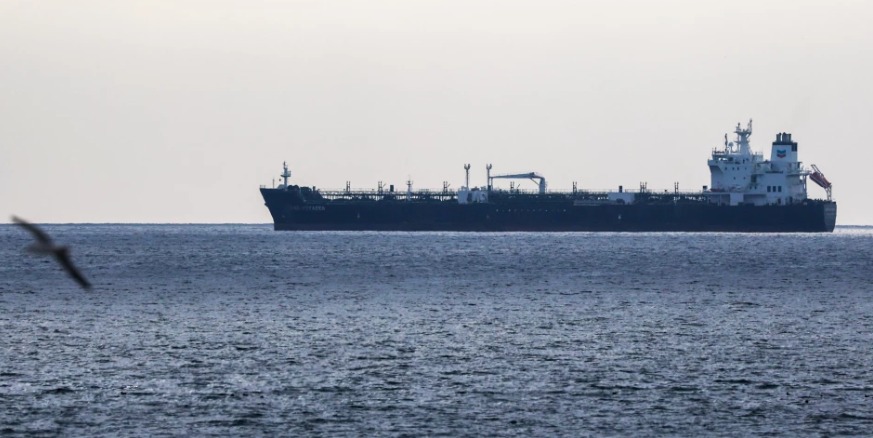
One of the most immediate transmission channels has been energy prices. Fuel costs have risen sharply, with petrol increasing by Sh19.32 to Sh197.60 and diesel by Sh30.09 to Sh196.63. These increases are linked to global supply disruptions affecting nearly 20 percent of the world’s energy flows, significantly raising import costs for energy-dependent economies such as Kenya. The pass-through effect is already visible in transport and production costs, with broader implications for inflation and household purchasing power.
Agriculture, a critical pillar of Kenya’s economy, is also under strain. Fertilizer prices have surged by approximately 100 percent, raising input costs for farmers and heightening the risk of food inflation in the coming production cycles. At the same time, export bottlenecks have emerged, particularly in the tea sector, where millions of kilograms remain stranded at the Port of Mombasa due to shipping disruptions. This threatens both foreign exchange earnings and rural incomes.
Externally, Kenya’s exposure to the Gulf region is amplifying vulnerability. Bilateral trade with Gulf economies stands at approximately Sh700 billion, while about 10 percent of the country’s $5.1 billion in annual remittances originates from the same region. Disruptions linked to the conflict place these inflows at risk, potentially tightening foreign exchange liquidity further.


Currency and reserve dynamics reflect these pressures. The Kenyan shilling weakened to around Sh130 per US dollar before stabilizing at approximately Sh129.27, indicating heightened volatility despite central bank interventions. At the same time, foreign exchange reserves have shown signs of strain, prompting the government to seek $300 million (Sh38.8 billion) in emergency support from the World Bank.
Financial markets are also signaling reduced investor confidence. Market capitalization growth at the Nairobi Securities Exchange has slowed to just 0.5 percent (Sh17 billion) since the onset of the conflict, a sharp decline from the earlier 15.3 percent (Sh453.5 billion) recorded earlier in the year. When adjusted for the Sh166 billion boost from the Kenya Pipeline Company listing, the market reflects an actual contraction of 4.4 percent, underscoring underlying weakness.
Beyond these short-term shocks lies a deeper structural concern. Kenya’s heavy reliance on imported fuel, concentrated export markets, and external financial inflows exposes it to global disruptions. The current episode illustrates how quickly external shocks can transmit across sectors affecting inflation, trade balances, fiscal stability, and investor sentiment simultaneously.
In analytical terms, the Iran conflict is not only a cyclical disruption but also a stress test of Kenya’s economic resilience. The convergence of rising input costs, constrained exports, and weakening financial indicators highlights the need for diversification in energy sources, export markets, and financing structures. Without such adjustments, similar external shocks are likely to produce recurring economic instability.