Sharp Daily
No Result
View All Result
Tuesday, May 19, 2026
  • Home
  • News
    • Politics
  • Business
    • Banking
  • Investments
  • Technology
  • Startups
  • Real Estate
  • Features
  • Appointments
  • About Us
    • Meet The Team
Sharp Daily
  • Home
  • News
    • Politics
  • Business
    • Banking
  • Investments
  • Technology
  • Startups
  • Real Estate
  • Features
  • Appointments
  • About Us
    • Meet The Team
No Result
View All Result
Sharp Daily
No Result
View All Result
Home News

Kenyan oil dealers in crisis as Uganda eyes Tanzania for fuel imports

Brenda Murungi by Brenda Murungi
February 26, 2024
in News
Reading Time: 2 mins read

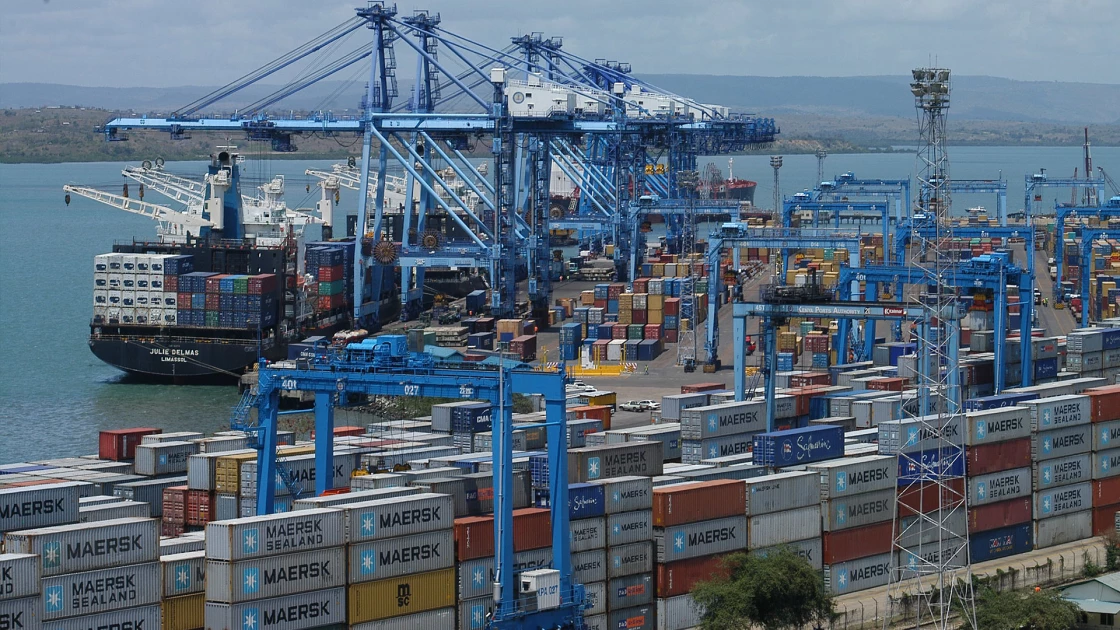
Kenyan oil dealers are facing a crisis as Uganda remains firm in its decision to negotiate with Tanzania for fuel imports through the Port of Tanga instead of the Port of Mombasa, following a disagreement with Nairobi.

Uganda had indicated its intention to discuss using the Port of Dar es Salaam for fuel imports after Kenya declined to grant concessions for the use of its pipeline.

The land locked country had also expressed dissatisfaction with the longstanding system under which Ugandan fuel companies buy 90 percent of their supplies through affiliated firms in Kenya.

Tanga, the oldest port in East Africa and the second largest in Tanzania, has been expanding its capacity to handle increased cargo volumes in recent years, despite being smaller than the Dar es Salaam and Mombasa ports.


RELATEDPOSTS

US remittance tax introduced, raising costs for Kenyans working in America

January 6, 2026

Govt targets KES 1 trillion in remittances from Kenyans abroad

February 12, 2024

Initially, state officials doubted Uganda’s intention to shift its import route to Tanzania because the distance between Dar es Salaam and Kampala is 1,715.6km, which is 49.5 percent longer than the distance of 1,147.6km between Mombasa and Kampala.

They believed Uganda was bluffing because, besides being cheaper, the Mombasa port is faster and more efficient than the Dares Salaam port.

The Petroleum Outlets Association of Kenya (Poak), representing independent oil dealers, warns that if Uganda follows through with the plan, it would severely impact local Oil Marketing Companies (OMCs). “If Uganda indeed moves to the Tanzania route a lot of local oil companies will really suffer because they will lose their biggest market,” said Poak chairman Martin Chomba.

Roughly one-third of the fuel imported into Kenya is designated for the transit market, amounting to approximately 200 million liters per month. Chomba noted that many smaller dealers, in particular, depend on this transit market and could face closure if it is disrupted.

He further said that Kenya would lose a key source of foreign exchange. Oil dealers are paid for their fuel exports in US dollars. Uganda last year said it imports fuel worth $2 billion through Kenya annually.


Previous Post

KUCCPS extends deadline for application of college, university courses

Next Post

Global leaders and delegates convene as UN environment summit begins

Brenda Murungi

Brenda Murungi

Related Posts

News

The impact of exchange rate volatility on investment decisions

May 19, 2026
Entertainment

The Spotify “Disco Ball” Branding Stunt

May 18, 2026
News

The influence of commodity prices on investment markets

May 18, 2026
News

Safaricom’s fuel strategy highlights growing energy risks facing Africa’s digital economy

May 15, 2026
News

Why fuel prices in Africa stay high when oil prices fall — and who Mercy Corps is holding responsible

May 15, 2026
News

Hantavirus on a luxury cruise ship: what we know, what we don’t, and why the WHO says stay calm

May 15, 2026

LATEST STORIES

The impact of exchange rate volatility on investment decisions

May 19, 2026

Equity Group Holdings move to extend its footprint across Southern Africa

May 19, 2026

The Spotify “Disco Ball” Branding Stunt

May 18, 2026

Court to decide on Kenya’s Sh204 billion Safaricom stake sale

May 18, 2026

The influence of commodity prices on investment markets

May 18, 2026

Safaricom’s fuel strategy highlights growing energy risks facing Africa’s digital economy

May 15, 2026

Member Engagement and Financial Literacy in Retirement Planning

May 15, 2026

Why fuel prices in Africa stay high when oil prices fall — and who Mercy Corps is holding responsible

May 15, 2026
  • About Us
  • Meet The Team
  • Careers
  • Privacy Policy
  • Terms and Conditions
Email us: editor@thesharpdaily.com

Sharp Daily © 2024

No Result
View All Result
  • Home
  • News
    • Politics
  • Business
    • Banking
  • Investments
  • Technology
  • Startups
  • Real Estate
  • Features
  • Appointments
  • About Us
    • Meet The Team

Sharp Daily © 2024