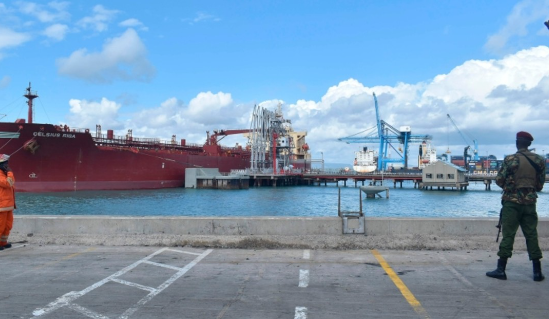
Kenya’s economic landscape experienced a significant transformation as the country’s current account deficit decreased by an impressive 42.1%, dropping from KES 211.6 billion in the corresponding period of 2022 to KES 122.5 billion in the third quarter of 2023.
This improvement not only marked a substantial year-on-year contraction but also indicated an 11.7% reduction compared to the preceding quarter’s deficit of KES 138.7 billion. A nation’s trade deficit occurs when its imports surpass exports, resulting in a negative balance. In Kenya’s context, the reduction in the current account deficit signifies an enhancement in the balance of trade.
Moreover, the secondary income account exhibited a notable 35.2% improvement, turning into a surplus of KES 251.9 billion from KES 186.3 billion in Q3 2022. Secondary income encompasses funds derived from international transfers such as remittances from citizens working abroad, foreign aid, and other non-capital transactions.
A surplus in the secondary income balance implies that Kenya received more funds through remittances and transfers from abroad than it sent out during the third quarter of 2023.


A key factor influencing Kenya’s export and remittance growth during this period was the substantial depreciation of the Kenya Shilling, declining by 20.0% to close at KES 148.1 against the US Dollar by the end of the third quarter.
This depreciation, compared to the initial exchange rate of KES 123.4 at the beginning of the year, significantly impacted the country’s trade dynamics. As the Kenya Shilling weakened against the US Dollar, Kenyan exports became more competitively priced on the international market, leading to increased demand for Kenyan goods and services and consequently boosting export revenues.
The primary driver behind the depreciated currency was the heightened demand for the US Dollar, particularly from importers, notably in the oil and energy sectors. The persistent current account deficit, a longstanding challenge for the country, contributed to the increased demand for foreign exchange. Additionally, the need for government debt servicing exerted additional pressure on Kenya’s forex reserves.
While the devaluation of the currency was advantageous for export-oriented sectors, it requires careful monitoring. By the close of 2023, the Kenyan shilling had depreciated by 26.8% against the US Dollar. Further depreciation in 2024 could lead to inflationary pressures due to increased costs of imported goods, potentially affecting domestic consumers and businesses.
Policymakers must proceed cautiously, leveraging these positive trends while addressing potential risks associated with currency fluctuations. Strengthening export-oriented sectors and implementing measures to manage inflationary pressures will be crucial in sustaining Kenya’s economic growth trajectory amid evolving global dynamics.