If agriculture is the backbone of Kenya’s economy, then its exports are the vertebrae upon which the nation’s fragile fiscal stability rests accounting for about 20.0% of Gross Domestic Product (GDP) as of January 2024 as per the Agriculture Sector Survey by Central Bank of Kenya(CBK). In the irregular world of currency fluctuations and trade deficits, Kenya’s tea, coffee, and floriculture industries appear as stoic survivors, propping up the country’s forex reserves with enduring persistence.
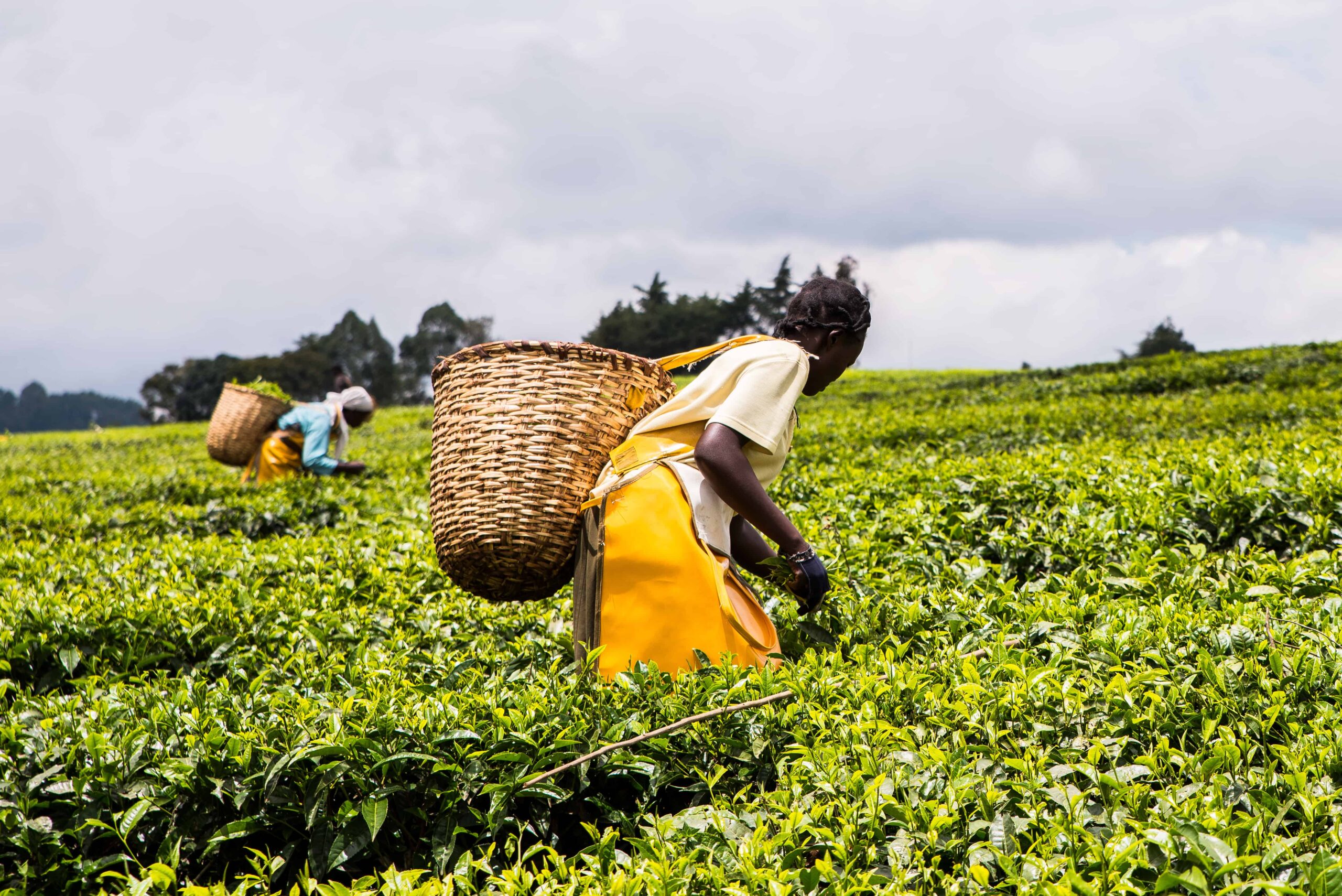
But let us not mislead ourselves into romanticizing this state of affairs. Tea, a colonial relic now marketed as a national treasure, still relies disproportionately on the whims of international markets with 522.9 million Kgs of tea being exported in 2023 according to the report by Tea Board of Kenya. However, a drought in Kericho or political instability in Pakistan, the largest buyer of Kenyan tea, can send shockwaves through the sector, destabilizing the very reserves Kenya counts on for its survival.
Equally emblematic of this precarious dependence is the flower. While the roses that grace European bouquets are indeed Kenyan, the profits they generate are depressingly low relative to their worth. Why? Because Kenya insists on exporting raw blooms while the lion’s share of profits blooms elsewhere in the value chain.
The core issue here is not that agriculture underpins Kenya’s forex reserves; it’s that it does so while staggering under a yoke of missed opportunities and systemic inefficiencies. Value addition, processing tea into premium blends or roasting coffee before export, has long been touted as the cure for all. Yet, it remains mired in bureaucratic inertia and short-term thinking.


And then there’s climate change, the silent thief in the night. As unpredictable weather patterns wreak havoc on harvests, the government’s response remains woefully inadequate. While other nations invest in climate-smart agriculture which refers to a set of agricultural practices and technologies which simultaneously boost productivity, enhance resilience and reduce Greenhouse Gas (GHG) emissions through the adoption of climate-resilient crop varieties, conservation agriculture techniques, agroforestry, precision farming, water management strategies, and improved livestock management. Kenya continues to gamble with rain-fed farming—a bet that grows riskier with every passing season.
To secure its forex future, Kenya must abandon its fondness for half-measures and embrace a bolder vision. The government should incentivize value addition, ensuring that Kenya earns not just crumbs but the full banquet of its agricultural prowess. Meanwhile, investors, both local and foreign, must see beyond the pastoral idealization of the countryside to the profit-laden opportunities in agritech and export diversification.
In the end, the fate of Kenya’s forex reserves is inseparably linked to the fate of its agricultural exports. Whether that fate will be one of triumph or tragedy depends not on nature, but on Kenya’s own willingness to act with ambition and foresight.