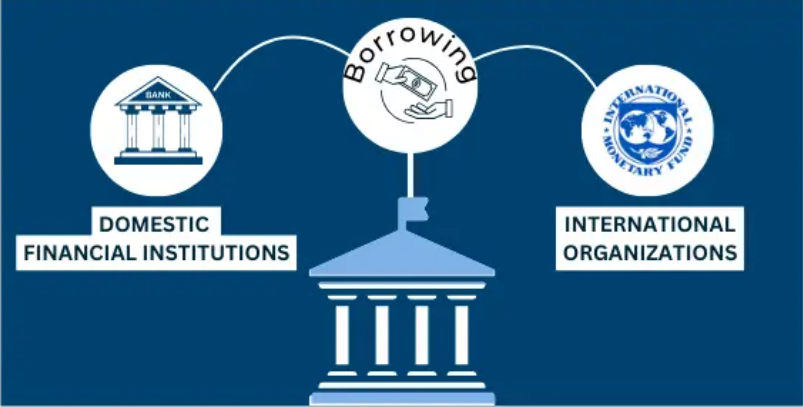
External debt is a key component of public and private sector financing, particularly in developing and emerging economies. It refers to borrowing from foreign lenders, including international financial institutions, foreign governments, and global capital markets. When managed effectively, external debt can support economic development by financing infrastructure, investment projects, and balance of payments needs. However, it also introduces risks that can affect financial stability if not carefully monitored.
One of the primary advantages of external debt is its ability to supplement domestic resources. In many economies, domestic savings may not be sufficient to finance large-scale development projects such as transport networks, energy infrastructure, or industrial expansion. External borrowing allows governments and corporations to access additional capital, enabling them to undertake investments that can boost productivity and economic growth over time.
External debt can also support foreign exchange stability. Borrowing in foreign currencies provides access to international reserves, which can be used to finance imports, stabilize exchange rates, and meet external obligations. This is particularly important for countries with persistent current account deficits or limited export capacity. By bridging short-term external financing gaps, external debt can help maintain macroeconomic balance.
However, external debt also carries significant risks, particularly when it is denominated in foreign currencies. Exchange rate fluctuations can increase the cost of servicing debt if the domestic currency depreciates. This can place pressure on government budgets and corporate balance sheets, as more local currency is required to meet foreign currency obligations. As a result, exchange rate stability becomes a critical factor in managing external debt sustainability.


Interest rate conditions in global markets also influence the cost of external borrowing. When global interest rates rise, borrowing costs increase, making it more expensive to service existing debt and issue new debt. This can strain fiscal resources and limit the ability of governments to finance development initiatives. Conversely, periods of low global interest rates can provide opportunities for more affordable borrowing, although they may also encourage excessive debt accumulation if not managed prudently.
Debt sustainability is a central concern in managing external debt. This involves assessing whether a country can meet its debt obligations without compromising economic growth or requiring excessive fiscal adjustments. Indicators such as the debt-to-GDP ratio, debt service-to-revenue ratio, and export earnings are commonly used to evaluate sustainability. Maintaining a balanced debt profile with manageable repayment schedules is essential for long-term stability.
External debt also interacts with investor confidence. High levels of debt or concerns about repayment capacity can lead to increased risk perceptions among investors, potentially resulting in higher borrowing costs or reduced access to international capital markets. On the other hand, transparent debt management practices and a strong track record of repayment can enhance credibility and attract investment.
Effective external debt management requires a comprehensive strategy that includes prudent borrowing, diversification of funding sources, and careful monitoring of risks. Governments often aim to balance external and domestic borrowing while ensuring that debt is used for productive investments that generate economic returns.
In conclusion, external debt plays a dual role in economic development and financial stability. While it provides essential financing for growth and development, it must be managed carefully to avoid vulnerabilities. By maintaining sustainable borrowing practices and aligning debt with productive use, economies can leverage external financing while preserving long-term stability.