Luxury real estate continues to evolve in response to shifting wealth patterns, lifestyle preferences, and broader economic forces. While traditionally associated with prime locations and high-end finishes, today’s luxury market is increasingly defined by personalization, technology, and long-term value preservation.
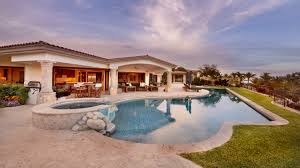
One of the most noticeable trends is the growing demand for lifestyle-driven properties. Buyers are no longer focused solely on square footage or prestige addresses; instead, they are prioritizing homes that enhance their daily lives. Features such as wellness amenities, private outdoor spaces, home offices, and proximity to nature have gained importance. This shift has been partly influenced by changes in work patterns, where flexibility has made it possible to live further from traditional urban centers without sacrificing convenience.
Sustainability is also becoming a central consideration in luxury real estate. High-net-worth buyers are showing greater awareness of environmental impact, leading to increased demand for energy-efficient homes, green building materials, and smart systems that optimize resource use. Properties that incorporate solar energy, water recycling systems, and sustainable architecture are increasingly seen as not only responsible but also valuable in the long term.
Technology integration is another defining trend. Modern luxury homes are expected to offer seamless digital experiences, including smart home automation, advanced security systems, and integrated entertainment solutions. Buyers are looking for properties that provide both comfort and control, with the ability to manage lighting, climate, and security remotely. This level of convenience has become a standard expectation rather than a premium add-on.


The concept of exclusivity is also being redefined. While privacy and security remain critical, there is a growing interest in curated communities that offer shared high-end amenities such as private clubs, concierge services, and wellness centers. These developments combine the appeal of exclusivity with a sense of belonging and access to premium services.
Geographically, there is a gradual diversification of luxury markets. While established prime locations continue to attract interest, emerging areas are gaining traction due to better value propositions, infrastructure development, and lifestyle appeal. Secondary cities and suburban locations are increasingly being considered viable luxury markets, particularly where they offer a balance between accessibility and tranquility.
Finally, investment considerations remain a key driver. Luxury real estate is often viewed as a store of value, especially in uncertain economic environments. Buyers tend to focus on properties that can preserve or appreciate in value over time, with factors such as location resilience, quality of construction, and uniqueness playing a significant role.
Overall, the luxury real estate market is becoming more nuanced. It is no longer defined solely by opulence, but by how well a property aligns with evolving lifestyles, technological expectations, and sustainability goals. This shift suggests a more thoughtful and experience-driven approach to high-end property investment