Sharp Daily
No Result
View All Result
Tuesday, June 23, 2026
  • Home
  • News
    • Politics
  • Business
    • Banking
  • Investments
  • Technology
  • Startups
  • Real Estate
  • Features
  • Appointments
  • About Us
    • Meet The Team
Sharp Daily
  • Home
  • News
    • Politics
  • Business
    • Banking
  • Investments
  • Technology
  • Startups
  • Real Estate
  • Features
  • Appointments
  • About Us
    • Meet The Team
No Result
View All Result
Sharp Daily
No Result
View All Result
Home Investments

Trying to time the market? Here’s why it rarely works

Hezron Mwangi by Hezron Mwangi
February 12, 2025
in Investments
Reading Time: 2 mins read

The dream of perfectly timing the market, buying at the lowest point and selling at the peak, has tempted investors for generations. The appeal is obvious: maximize gains and avoid losses. But while the idea of outsmarting the market is enticing, in reality, even the most experienced investors struggle to predict its twists and turns.

Market timing often feels intuitive during periods of high volatility. When stock prices fall, the instinct to sell and wait for a better time can seem like a safe bet. Conversely, when markets are soaring, fear of missing out can push investors to jump in at potentially inflated prices. Unfortunately, these emotionally driven decisions often lead to poor outcomes, with investors buying high and selling low, the exact opposite of a sound strategy.

One of the key reasons market timing fails is the sheer unpredictability of markets. Economic data, corporate earnings, geopolitical events, and investor sentiment interact in complex ways, making it nearly impossible to forecast short-term movements. Even professional fund managers with access to vast resources rarely get it right consistently.

The cost of missing just a few of the market’s best days is another powerful argument against timing. A study by Wells Fargo showed that the majority of stock market gains are concentrated in a handful of days over long periods. Missing these key days by trying to time the market can drastically reduce returns. For example, an investor who stayed fully invested in the S&P 500 over the last two decades would have seen significantly higher returns compared to someone who missed just the 10 best trading days.


RELATEDPOSTS

Family Bank’s NSE Listing: A Long-Overdue Milestone for Kenya’s Capital Markets

June 12, 2026

How tender fraud is undermining Kenya’s investment appeal

April 3, 2026

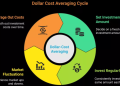
The alternative? A disciplined, long-term approach that prioritizes staying invested over guessing market movements. By building a diversified portfolio and sticking to it through market ups and downs, investors can benefit from the power of compounding and the market’s historical upward trend. Dollar-cost averaging—regularly investing a fixed amount regardless of market conditions—can further reduce the impact of volatility and remove the guesswork.

Market timing might sound like the key to quick profits, but the evidence shows it’s more of a gamble than a strategy. Patience and discipline may not feel exciting, but they are far more effective tools for building lasting wealth. In investing, time in the market beats timing the market every time.


Previous Post

A beginner’s guide to investing in Kenyan government bonds

Next Post

The rise of purpose-built student accommodation in Kenya

Hezron Mwangi

Hezron Mwangi

Related Posts

Analysis

South African firms line up Sh413 billion acquisitions in Kenyan blue-chip companies

June 22, 2026
Family Bank
Analysis

Family bank receives approval for NSE listing

June 12, 2026
Investments

Kenya’s EV assembly ambition gets a Sh1 Billion boost from Simba Corp’s AVA

June 11, 2026
Analysis

Investor appetite for treasury bills surges as demand jumps 228% ahead of CBK rate decision

June 10, 2026
Business

CBK seeks ksh 40 billion through government securities

June 4, 2026
Business

Kenya shilling remains stable amid strong economic fundamentals

June 4, 2026

LATEST STORIES

High Court halts Diageo’s Sh340 Billion EABL stake sale to Asahi

June 23, 2026

Stablecoins in Emerging Markets: Digital Value Future

June 22, 2026

Ken gen and KPA cut state-guaranteed loans, easing kenya’s debt pressure

June 22, 2026

KRA to let taxpayers amend pre-filled tax returns under Finance Bill 2026

June 22, 2026

South African firms line up Sh413 billion acquisitions in Kenyan blue-chip companies

June 22, 2026

The importance of risk-adjusted returns in investment evaluation

June 22, 2026

TRIFIC Concludes Kenya’s First Green Dollar I-REIT Offer, Marking New Milestone for Capital Markets

June 19, 2026

How Treasury Bonds Finance Public Spending

June 19, 2026
  • About Us
  • Meet The Team
  • Careers
  • Privacy Policy
  • Terms and Conditions
Email us: editor@thesharpdaily.com

Sharp Daily © 2024

No Result
View All Result
  • Home
  • News
    • Politics
  • Business
    • Banking
  • Investments
  • Technology
  • Startups
  • Real Estate
  • Features
  • Appointments
  • About Us
    • Meet The Team

Sharp Daily © 2024