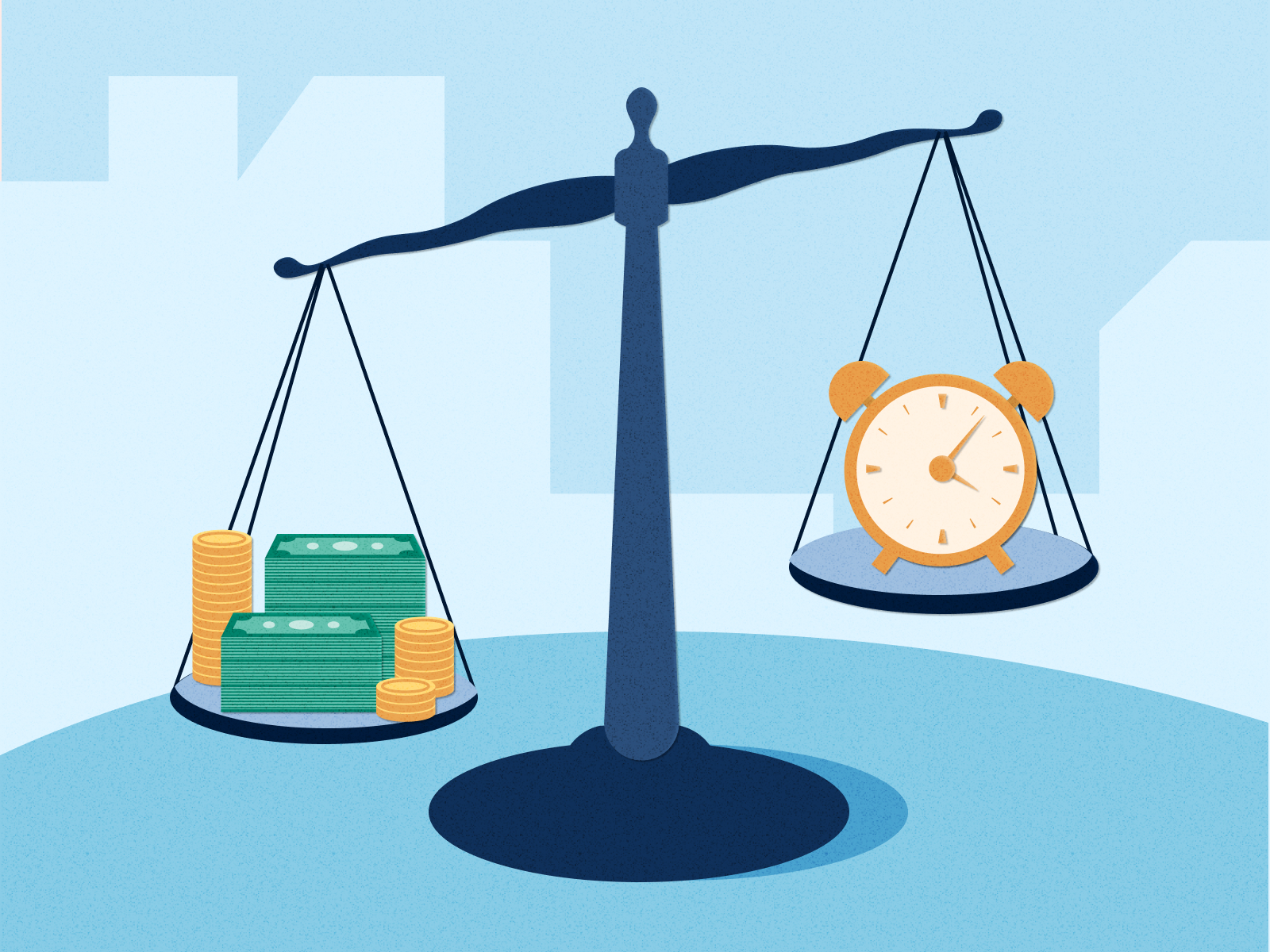
In today’s fast-evolving economic landscape, understanding the time value of money (TVM) is critical to making sound financial choices that capitalize on opportunities while protecting against uncertainties. The concept, which emphasizes that money available today is more valuable than the same amount in the future, has profound implications for personal finance, business decisions, and investments. By appreciating the importance of TVM, individuals and businesses can cope with a dynamic market environment and adapt to emerging trends.
Imagine receiving Kshs 1000 today versus a year from now. Receiving it today allows immediate investment, enabling the money to grow through interest or other returns. This is especially important in the context of rapid economic and technological advancements, where seizing timely opportunities can make a substantial difference. For instance, technology companies often prioritize early investments to capitalize on industry shifts before competitors. With funds available now, they can quickly invest in research, development, and product launch, securing a competitive edge that a delayed investment might have cost them.
Additionally, the time value of money influences financial behavior through motives that drive transactions. Whether paying bills, making purchases, or investing, having money now ensures that obligations are met promptly, maintaining stability in business operations and personal finances. Consider a business with cash on hand; it can address immediate expenses like payroll, materials, or utilities, sustaining smooth operations. Without this liquidity, there’s a risk of disruption or reliance on costly borrowing options.
Another critical aspect is the impact of inflation, which gradually reduces the purchasing power of money over time. A Shilling today buys more than a Shilling in the future; hence, deferring money use may result in less buying power. For example, if an investor receives returns sooner, they can re-invest in assets that outpace inflation, maintaining or growing their wealth. Waiting to access funds or returns could mean diminished value, underscoring why early payments or returns are often preferred.


The unpredictability of the future also makes immediate access to funds valuable. Changes in the economy, personal circumstances, or even global events can affect financial security. Having funds readily available today is a buffer against these uncertainties. For example, during a financial crisis, having liquid assets can protect against market volatility or job instability, offering peace of mind that deferred money might not provide.
Finally, the time value of money opens doors to numerous investment opportunities. Money in hand now can be invested in various avenues; from stocks and bonds to real estate; that could yield significant returns over time. Investors understand that the earlier they invest, the more time their money has to grow, benefiting from compounding.
In summary, prioritizing the time value of money is a strategic approach that balances immediate needs with future gains. Whether for meeting present demands or leveraging growth opportunities, the time value of money remains a cornerstone of effective financial planning.