Sharp Daily
No Result
View All Result
Thursday, May 7, 2026
  • Home
  • News
    • Politics
  • Business
    • Banking
  • Investments
  • Technology
  • Startups
  • Real Estate
  • Features
  • Appointments
  • About Us
    • Meet The Team
Sharp Daily
  • Home
  • News
    • Politics
  • Business
    • Banking
  • Investments
  • Technology
  • Startups
  • Real Estate
  • Features
  • Appointments
  • About Us
    • Meet The Team
No Result
View All Result
Sharp Daily
No Result
View All Result
Home Investments

The role of mobile money in Kenya’s economy

Fridah Karei by Fridah Karei
December 18, 2024
in Investments
Reading Time: 2 mins read

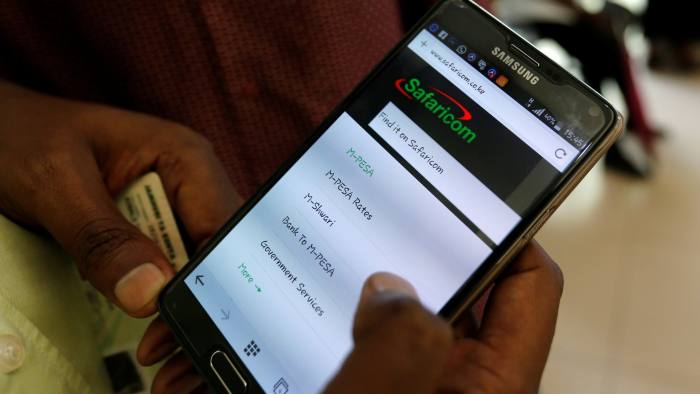
Kenya is globally recognized for its pioneering mobile money system, M-PESA, which has become a cornerstone of the country’s economic framework. Mobile money has revolutionized financial inclusion, providing millions of Kenyans with access to financial services. As of November 2024, according to a Safaricom report M-Pesa has over 34million subscribers one- month active users, representing a substantial portion of the population. One of the most significant contributions of mobile money to Kenya’s economy is its role in financial inclusion.

Studies indicate that households using mobile money are better equipped to manage financial shocks, such as job losses or agricultural challenges, due to the ease of receiving remittances and lower transaction costs. Financial shocks refer to unexpected events, such as sudden unemployment or crop failure. In such situations, M-Pesa makes it possible for users to receive money from family and friends quickly in-order to reduce financial strain.

Similarly, mobile money has enabled the government to deliver social transfers efficiently, reducing leakages associated with corruption and ensuring the intended beneficiaries receive funds promptly. Mobile money has also proven vital in fostering economic resilience during crises. For example, during the COVID-19 pandemic, digital financial services, including mobile money, enabled remote transactions and ensured continuity in financial activities while adhering to social distancing protocols. This adaptability has underscored mobile money’s role in maintaining economic stability.

The economic ripple effects of mobile money are vast. It supports micro, small, and medium-sized enterprises (MSMEs) by providing access to credit and facilitating seamless payments. These services empower small businesses to manage risks, grow capital, and participate in the formal economy.


RELATEDPOSTS

Safaricom rolls out tap-to-pay m-pesa in Tanzania

March 19, 2026

Airtel plans digital overdraft to challenge Safaricom’s fuliza

January 14, 2026

Furthermore, mobile money contributes to Kenya’s GDP by generating revenue for providers and creating jobs within its ecosystem.

In 2024 Q2, Safaricom reported USD 77.2 mn revenue from M-PESA services for the period ending in June 2024, a figure that has grown substantially over the years. In my view, mobile money has transformed Kenya’s financial landscape, driving economic growth, enhancing resilience, and bridging gaps in financial access. Its integration into various economic sectors continues to be a critical driver of the country’s development.

Previous Post

Opportunities in Kenya’s agricultural sector as an investment frontier

Next Post

The future of cryptocurrency adoption in Kenya

Fridah Karei

Fridah Karei

Related Posts

Analysis

Safaricom maintains growth momentum as digital services drive earnings

May 5, 2026
Analysis

Equity group holdings eyes southern africa growth

April 29, 2026
Analysis

Multinational firms drive massive kSh42 billion dividend distribution on NSE

April 22, 2026
Business

M-Pesa drives surge in NSE retail trading

April 20, 2026
Analysis

NSE secondary bond market surges

April 16, 2026
Business

CBK reassures on shilling stability

April 16, 2026

LATEST STORIES

Safaricom FY2026 profit jumps 61% as M-PESA and cost cuts drive earnings growth

May 7, 2026

How global supply chains feed Kenya’s fake drug market

May 7, 2026

Kenya hikes museum entry fees: What visitors will pay at Nairobi Museum, Fort Jesus, Karen Blixen and more

May 7, 2026

The Finance Bill 2026: Kenya’s Shift Toward Faster, Broader and More Enforceable Taxation

May 7, 2026

The relationship between productivity growth and long-term investment returns

May 7, 2026

Taifa gas eyes kenyan market with major LPG investment

May 6, 2026

The role of capital flows in shaping investment opportunities

May 6, 2026

Kenya banks close 30% of accounts as data clean-up reveals billions in idle savings

May 6, 2026
  • About Us
  • Meet The Team
  • Careers
  • Privacy Policy
  • Terms and Conditions
Email us: editor@thesharpdaily.com

Sharp Daily © 2024

No Result
View All Result
  • Home
  • News
    • Politics
  • Business
    • Banking
  • Investments
  • Technology
  • Startups
  • Real Estate
  • Features
  • Appointments
  • About Us
    • Meet The Team

Sharp Daily © 2024