Sharp Daily
No Result
View All Result
Sunday, April 26, 2026
  • Home
  • News
    • Politics
  • Business
    • Banking
  • Investments
  • Technology
  • Startups
  • Real Estate
  • Features
  • Appointments
  • About Us
    • Meet The Team
Sharp Daily
  • Home
  • News
    • Politics
  • Business
    • Banking
  • Investments
  • Technology
  • Startups
  • Real Estate
  • Features
  • Appointments
  • About Us
    • Meet The Team
No Result
View All Result
Sharp Daily
No Result
View All Result
Home Analysis

Why knowing your pension exit options matters, especially in the public sector

Christine Akinyi by Christine Akinyi
September 5, 2025
in Analysis, Counties, Features, Healthcare, Investments, Money
Reading Time: 2 mins read

When it comes to pensions, many people focus heavily on contributions, retirement dates, or potential payouts, but far fewer pay attention to the actual exit process. Yet, how you exit a pension scheme can make the difference between a smooth retirement transition and months, if not years, of financial limbo. This is especially true for public sector employees, where bureaucratic procedures and limited information can leave retirees stranded, confused, and without income at the most vulnerable stage of their lives.

Awareness of exit options is not just about knowing how much you’re entitled to, it’s about understanding the timelines, the paperwork, the tax implications, and the responsible institutions involved. Many employees assume that the system will automatically begin processing their pension the day they leave service, only to discover that delays in documentation, misfiled forms, or eligibility misunderstandings can halt everything. In some cases, beneficiaries have waited months or even years before receiving their first payout, living off savings or costly loans in the meantime.

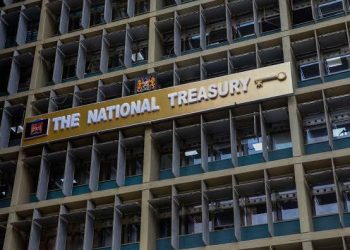
This is particularly critical in state-managed schemes, where multiple departments are involved in the retirement process; human resources, the treasury, pensions directorates, and even third-party administrators. A breakdown in communication between any of these entities can create bottlenecks. For example, if your service record isn’t updated properly or your last working day isn’t formally declared, your exit may not even be acknowledged in the system. In such a setup, the onus unfortunately falls on the retiree to chase updates, resubmit forms, or repeatedly follow up.

Public sector pension schemes also tend to have fewer flexible withdrawal options than private schemes. While some allow lump sum payments and others staggered annuities, restrictions on early access, limited portability, or lack of digital self-service platforms can create confusion. Without proper guidance, many retirees don’t even know what choices they have, whether they can opt for phased withdrawals, transfer to another scheme, or convert to an income drawdown plan.


RELATEDPOSTS

Budget cuts weaken Kenya’s fight against money laundering

January 19, 2026

Minority EABL investors lose Sh12 billion in paper gains after share price pullback

January 15, 2026

To avoid being stranded, public servants and other scheme members must be proactive. That means engaging with HR and pension officers at least a year before retirement, confirming records are accurate, seeking financial advice if possible, and understanding the full range of options for accessing funds. Pension literacy needs to become part of employment culture, not just something people discover too late. Informed exits lead to empowered retirements.


Previous Post

Breaking the Silence: Understanding and Supporting Suicide Awareness Month

Next Post

September snapshot: CMMF yields 13.12% as month unfolds

Christine Akinyi

Christine Akinyi

Related Posts

Analysis

Kenya airways narrows losses amid recovery efforts and expansion plans

April 24, 2026
Money

Why KRA is going after traders who switch paybill and till numbers to avoid taxes

April 24, 2026
Analysis

Co-op Bank to Restructure into Holding Company

April 23, 2026
Analysis

Insurance claims surge past Sh100 billion as medical and motor costs drive industry pressure

April 23, 2026
Money

Kenya’s new loan rules require borrowers to prove repayment ability before approval

April 22, 2026
Analysis

Multinationals repatriate Sh42.2 billion as dividend growth highlights strength of Kenyan subsidiaries

April 22, 2026

LATEST STORIES

How a regional refinery could reshape East Africa’s trade deficit

April 24, 2026

Land acquisition for first time owners

April 24, 2026

Trends in luxury real estate

April 24, 2026

NSSF remittances and the case for Tier II planning

April 24, 2026

Why Employers Should Join the Cytonn Umbrella Retirement Benefits Scheme

April 24, 2026

Strategic deleveraging is the reset CIC Group needed

April 24, 2026

Kenya’s Digital Tax Shift

April 24, 2026

Michael debut signals strong market demand for music biopics despite industry pressures

April 24, 2026
  • About Us
  • Meet The Team
  • Careers
  • Privacy Policy
  • Terms and Conditions
Email us: editor@thesharpdaily.com

Sharp Daily © 2024

No Result
View All Result
  • Home
  • News
    • Politics
  • Business
    • Banking
  • Investments
  • Technology
  • Startups
  • Real Estate
  • Features
  • Appointments
  • About Us
    • Meet The Team

Sharp Daily © 2024