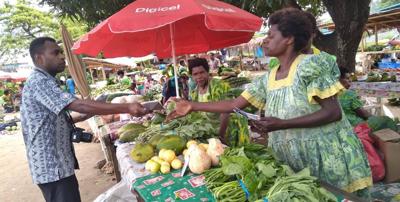
Kenya’s informal sector is widely recognized as a cornerstone of the nation’s economy, particularly in terms of employment creation and socio-economic development. As of 2024, this sector plays a pivotal role in driving economic activity, contributing to job creation, and sustaining livelihoods for millions of Kenyans. According to the Labour Market Profile report 2024/2025, Kenya’s informal economy dominates employment, representing 81.0% of employment in non-agriculture and 97% among those in agriculture. This includes a broad spectrum of businesses, ranging from street vendors and market traders to small-scale manufacturers and service providers.
The small and medium-sized enterprises (SMEs) that dominate the informal sector are crucial engines of economic growth. These SMEs are responsible for creating the majority of new jobs and also contribute to the growth of local economies across urban and rural areas. According to the Micro and Small Enterprises Authority (MSEA), SMEs are a driving force in economic diversification and employment.
While the informal sector is undeniably a critical part of Kenya’s economy, it faces significant challenges. These include limited access to finance, lack of formal training, and poor infrastructure, which hinder the sector’s potential for growth and formalization. The Central Bank of Kenya (CBK) reports that access to credit remains one of the major barriers for SMEs, with many informal businesses unable to secure financial support from traditional banking institutions. Additionally, the informal nature of these businesses means they lack the protections and benefits that come with formal registration, such as access to government tenders and social security programs.
Despite these challenges, the informal sector’s contribution to the national GDP is notable. In Q2’2024, agriculture had the largest contribution to Kenya’s economy. The sector added roughly KES 1.0 tn, approximately USD 8.0 bnt to the country’s Gross Domestic Product (GDP). The informal sector’s role in poverty alleviation is significant, as it offers employment opportunities to a large segment of the population that might otherwise remain excluded from the formal labor market.


In my opinion, while the informal sector plays an indispensable role in Kenya’s economy, there is a need for more targeted efforts to support its growth and enhance its productivity. The government and private sector can create a conducive environment by improving access to finance, providing business development services, and ensuring better infrastructure. Additionally, promoting the formalization of informal businesses through incentives and support programs would enable these businesses to tap into more opportunities, including accessing better financing options, legal protections, and the ability to expand their operations.