Lower global oil prices are providing relief to Kenya’s economy by easing inflationary pressures and reducing the likelihood of higher interest rates in the near term. Following months of uncertainty caused by geopolitical tensions in the Middle East, improving diplomatic relations between the United States and Iran have contributed to lower crude oil prices, helping to reduce fuel costs and improve the country’s inflation outlook. The moderation in inflation is expected to give the Central Bank of Kenya (CBK) greater flexibility to maintain its current monetary policy stance.
According to the CBK Weekly Bulletin, Kenya’s overall inflation declined by 0.3% points to 6.4% in June 2026, down from 6.7% in May 2026. The decline was largely driven by lower energy and food prices, with easing transport costs also contributing to slower inflation. Despite remaining elevated, inflation continues to fall within the CBK’s target range of 2.5%–7.5%, reducing immediate pressure for tighter monetary policy.
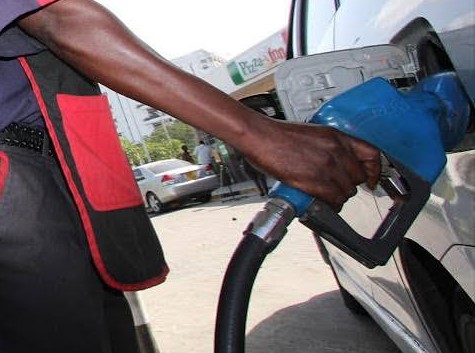
The improvement in inflation follows a decline in global crude oil prices. The CBK reported that Murban crude oil fell to USD 67.99 per barrel during the week ending 2 July 2026 after geopolitical tensions eased following a preliminary ceasefire agreement between the United States and Iran. Lower international oil prices are expected to gradually translate into lower domestic fuel prices, helping to reduce transport costs and production expenses across the economy.
The easing inflation outlook has strengthened expectations that the CBK will maintain the Central Bank Rate (CBR) at 8.75% during its next Monetary Policy Committee meeting. At its June meeting, the Committee left the policy rate unchanged, noting that recent inflationary pressures were primarily driven by imported fuel costs rather than stronger domestic demand. The CBK also observed that average commercial lending rates have continued to decline while private sector credit growth has improved, suggesting that the current monetary policy remains appropriate.


The moderation in inflation could also influence Kenya’s fixed-income market. Government security yields had increased in recent months as investors sought higher returns to offset rising inflation. However, easing price pressures may help stabilize yields, particularly on short-term Treasury bills. The CBK’s latest Treasury bill auction results showed only marginal increases in interest rates despite strong investor demand, indicating that inflation expectations may be beginning to moderate.
Lower inflation also improves the real return earned by investors holding fixed-income securities. As inflation slows, the purchasing power of interest income is better preserved, making Treasury bills and government bonds more attractive even without significant increases in nominal yields. This could support continued investor participation in domestic government borrowing as the National Treasury implements its 2026/27 financing programme.
Overall, lower global fuel prices have improved Kenya’s short-term inflation outlook and reduced pressure for further interest rate increases. With inflation declining to 6.4% in June 2026 and the Central Bank Rate remaining at 8.75%, the current environment supports greater stability in borrowing costs and the domestic fixed-income market. As global oil prices and inflation continue to evolve, they will remain important factors influencing Kenya’s monetary policy and broader economic performance.