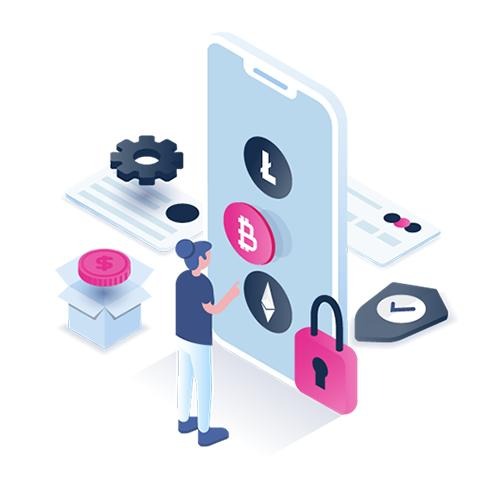
Understanding How Crypto Wallets Work on Blockchains
Digital assets are rapidly becoming an essential component of modern financial systems. However, understanding how crypto wallets work requires recognizing how they fundamentally differ from mobile money services. For instance, conventional payment applications display monetary balances maintained inside centralized databases. In contrast, a digital wallet simply manages the cryptographic credentials needed to access assets recorded on a public ledger. As a result, the application holds private security keys rather than actual digital currency.
How Crypto Wallets Work to Track Public Ledgers
To illustrate this concept, a digital wallet acts much like a personal keyring because it manages keys instead of storing cash. For example, when an investor holds USD 100 in stablecoins, the underlying network records that balance on a public ledger. Examining how crypto wallets work during a transaction reveals that the software merely signs the transfer authorization. Therefore, the wallet functions as a secure user interface, while the decentralized network handles final settlement.
How Key Ownership Defines Crypto Wallet Security
Crucially, determining who controls private keys represents the single most important aspect of digital asset management. In a self-custody arrangement, individuals hold their recovery phrase directly and assume full responsibility for securing access. Alternatively, custodial platforms store and protect private keys on behalf of their registered users. While centralized platforms provide convenient password recovery options, they also expose users to third-party operational risks.
Comparing Centralized Exchanges to Self-Custody Wallets
Comparing centralized platforms to self-custodial software highlights these structural differences clearly. Specifically, a trader buying Bitcoin through an exchange account views a balance managed on an internal company database. Under this arrangement, the exchange retains exclusive control over the private keys. Conversely, transferring those funds to an independent Coinbase wallet or a self-custodial Binance wallet grants direct key ownership to the user.


Local Regulatory Rules for Digital Wallet Providers
Furthermore, this custody dynamic has become highly relevant as regional jurisdictions establish formal legal oversight. In late 2025, Kenya enacted the landmark Virtual Asset Service Providers Act to create a licensing framework for digital asset operators. To operationalize this legislation, authorities subsequently published the Virtual Asset Service Providers Regulations in 2026. Consequently, the Central Bank of Kenya and the Capital Markets Authority now supervise licensed entities to enforce strict compliance standards.
Balancing Risk and Efficiency in Digital Wallet Usage
Ultimately, digital wallets serve as a functional bridge connecting traditional financial systems with decentralized settlement rails. For example, global merchants can receive stablecoin payments, store them securely, and execute international transfers within seconds. Nevertheless, businesses must balance these massive speed advantages against exchange rate volatility and potential custody risks. Overall, mastering how crypto wallets work remains essential for any organization participating in the modern digital economy.