Kenya Power and Lighting Company (KPLC) has officially launched a cutting-edge meter-reading system using Optical Character Recognition (OCR) technology in a bid to eliminate human error, speed up operations, and improve billing accuracy. The move marks a significant milestone in the utility’s ongoing digital transformation efforts.
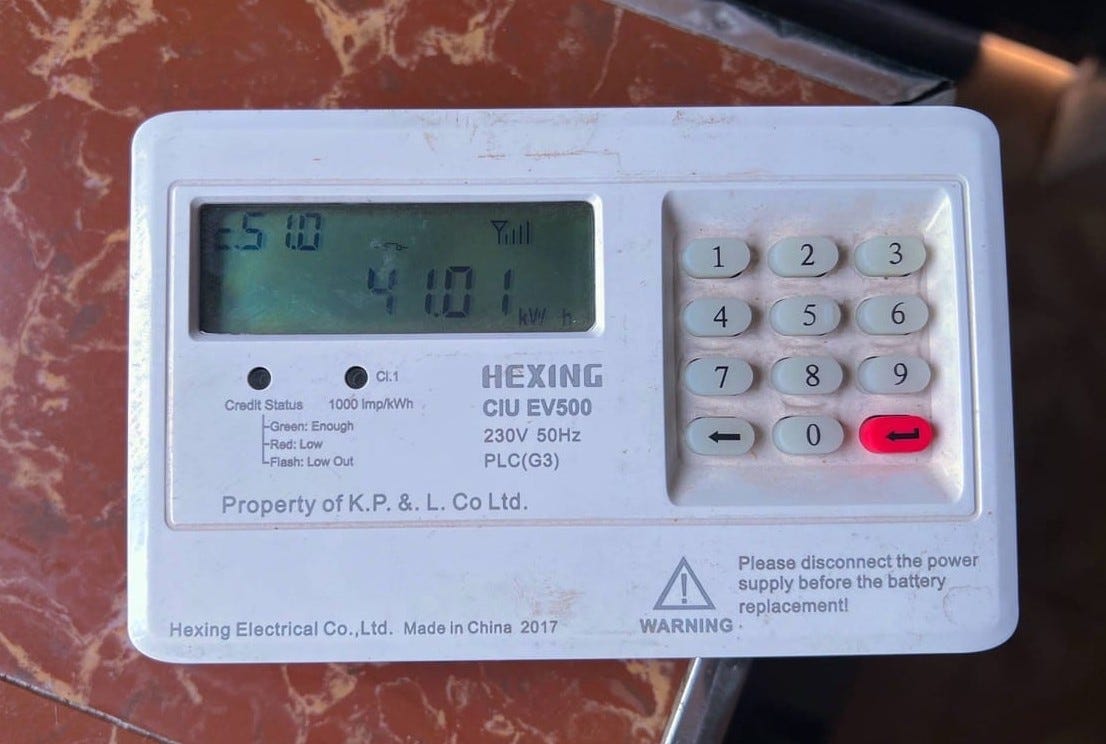
According to KPLC, the OCR system replaces the traditional manual process where meter readers typed in meter numbers and readings by hand. With the new technology, a meter reader simply scans the meter display, and the software automatically captures the readings, drastically reducing the risk of mis-entry.
“Technology is a major driver of our business. With the OCR system, the meter reader will just be required to scan the meter, and the system will pick the meter readings automatically. This will save time and eliminate human error that is likely to occur if the meter reader manually types the readings,” said Richard Wida, Kenya Power’s Commercial Cycle Manager.
The rollout began on November 24, 2025, covering all eight of KPLC’s operational regions across the country. A six-month pilot phase conducted in Nairobi between March and September 2025 proved successful, paving the way for nationwide adoption.
KPLC is targeting 1.8 million postpaid meters that currently rely on physical monthly readings. These meters are among the most prone to inaccuracies arising from handwritten entries and misinterpretation. By automating the process, the company expects to significantly reduce billing anomalies and customer disputes tied to incorrect data capture.

Beyond the OCR system, the utility is also leveraging its self-service platforms—such as the MyPower App and the *977# USSD code—to give customers greater control in managing their accounts. Postpaid users can already submit their own meter readings, and in future, the company plans to integrate OCR scanning into these platforms so customers can scan and upload readings independently.
Richard Wida further emphasized the broader importance of the innovation, noting that the technology aligns with Kenya Power’s commitment to strengthen service delivery, enhance operational efficiency, and modernize its systems. He added that the OCR tool complements other digital initiatives already in place within the company.
KPLC currently uses smart meters for large power consumers, SMEs, and selected households. These meters support remote reading, automatic disconnection and reconnection, and two-way communication-reducing the need for physical visits and further minimizing human error.
With the nationwide OCR rollout underway, Kenya Power aims to cut down billing complaints, boost customer confidence, and enhance trust in monthly bills. As more readings are captured automatically and accurately, the utility expects a marked reduction in disputes and a smoother billing experience for millions of Kenyans.
Kenya’s power generation stalls as demand soars: Why rationing is back