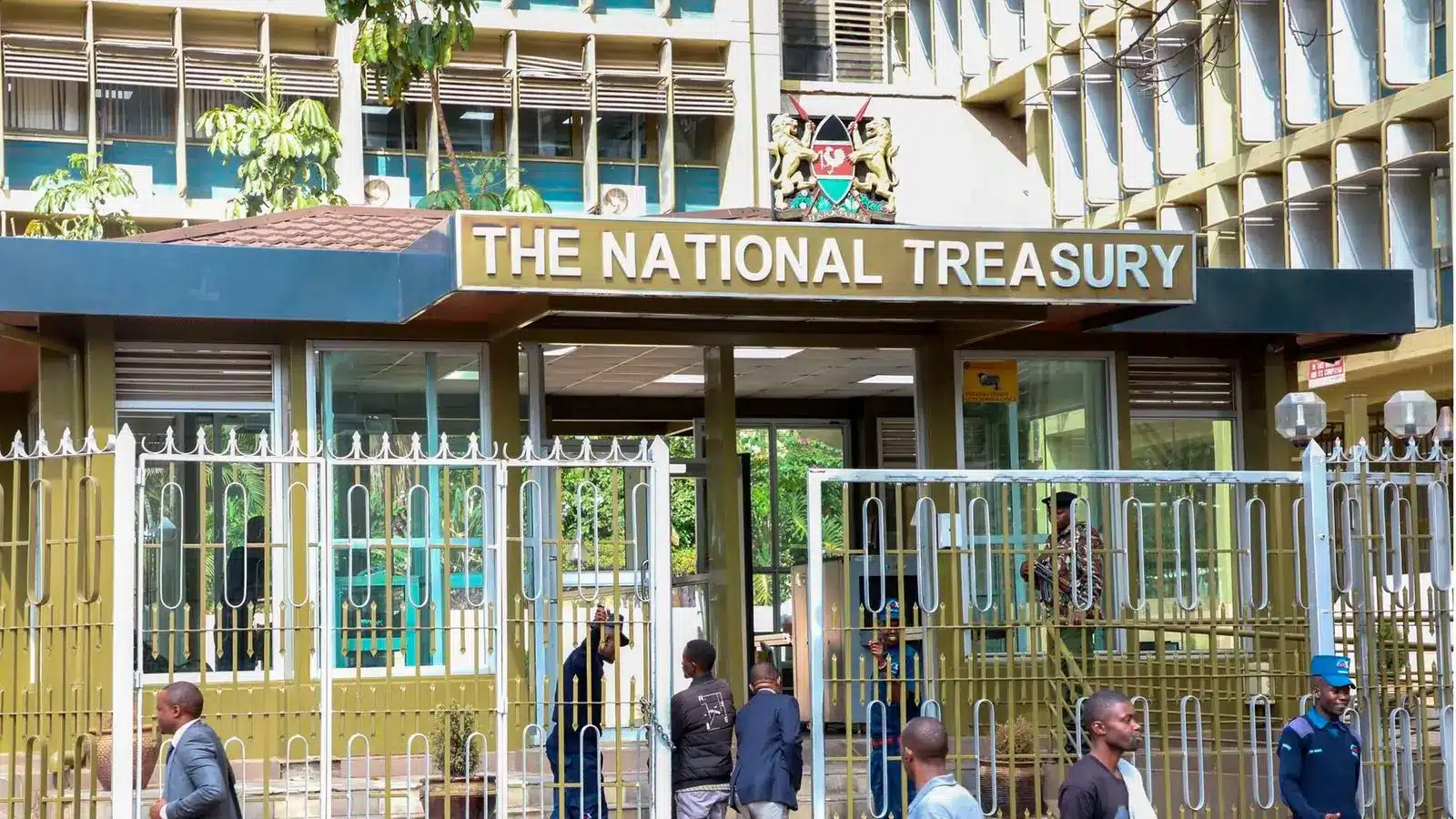


Kenya’s Treasury bill yields have sharply declined, reflecting efforts by the central bank to mitigate the risks of debt default following recent IMF disbursements and a stabilized Kenyan shilling. With the yields on government papers on a downward trajectory, investors are responding to macroeconomic shifts that have injected stability into Kenya’s financial landscape.
According to data from the Central Bank of Kenya, yields on the country’s 364-day, 182-day, and 91-day Treasury bills fell by 52.1 basis points, 68.3 basis points, and 51.6 basis points, respectively. These yield decreases have brought the rates down to 14.4%, 13.8%, and 13.4%, compared to 15.0%, 14.5%, and 14.0% just one week prior. The decline marks a positive response to government interventions aimed at securing fiscal sustainability and signaling that market confidence in Kenya’s short-term debt obligations is beginning to recover.
The government has recently acquired several tranches of disbursements from the International Monetary Fund (IMF), which have been instrumental in alleviating liquidity pressures. These funds, part of the IMF’s broader support for our economy, have provided a critical buffer against the specter of debt distress, which had been looming in recent quarters amid rising inflation and a weakened shilling. The IMF support has not only bolstered Kenya’s foreign exchange reserves but has also enabled the government to manage its debt obligations more effectively, thereby reducing the pressure to maintain high yields on short-term securities.
The stabilization of the Kenyan shilling, which has held steady at 129 against the U.S. dollar, has further strengthened investor sentiment. A more stable currency reduces foreign exchange risk, making local debt instruments more attractive to both domestic and foreign investors. The shilling’s performance follows a period of volatility that had previously heightened concerns over the government’s capacity to service foreign-denominated debt, especially in the face of increasing global interest rates.
With the improving macroeconomic environment, investor interest is shifting away from government securities toward equities, which have been on a significant upswing. The Nairobi Securities Exchange (NSE) has recorded remarkable year-to-date gains across its major indices, with the NSE 10, NSE 25, NSE 20, and NASI indices posting returns of 35.8%, 33.5%, 27.7%, and 25.7%, respectively. These gains reflect increased optimism in the Kenyan economy and corporate earnings potential, as investors diversify their portfolios to capture growth in sectors that are showing resilience amid macroeconomic reforms.
The declining yields on Treasury bills are a positive signal for Kenya’s economy, indicating that recent government efforts to stabilize the economy and secure multilateral support are bearing fruit. The combination of IMF backing, a stabilized currency, and a resurgent stock market has created a favorable environment for economic recovery and growth.
Still, while the government has managed to stabilize sovereign debt outlook for now, the government faces ongoing fiscal challenges, including a high debt-to-GDP ratio and the need for sustained fiscal discipline to avoid future risks of default. For now, however, the government’s strategy appears to be working, with the inflation rate in late 2024 declining below 3% for the first time in years.