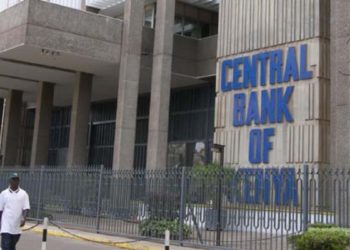
Kenya’s public finance management is under intense scrutiny after it has emerged that recurrent expenditure surpassed initial estimates for the year ended June 2025 by KES 134.7 bn despite the president’s pledge to cut costs in the wake of the collapsed Finance Bill 2024. According to the Kenya Gazette that was recently published, data shows that expenditure on items such as remuneration of staff, operations and maintenance, as well as administration increased by 7.7% to KES 1.4 tn from KES 1.3 tn estimates following the first review of the budget. This overrun reflects systemic weaknesses in the enforcement of fiscal rules and signals a need for urgent reform. For Kenya, strengthening these mechanisms is critical not only for budget credibility but also for macroeconomic stability and investor confidence.
Kenya has in place a framework under the Public Finance Management Act and the Constitution that limits recurrent spending, borrowing and fiscal deficits. However, the constant breaches of recurrent expenditure ceiling highlight gaps in execution. This is attributable to factors such as, loose compliance enforcement, where state agencies often exceed budget ceilings with minimal consequences, supplementary budgets abuse where repeated adjustments dilute the integrity of the original budget and legitimize overspending and weak monitoring and oversight, where delays in publishing budget execution reports and lack of real time tracking makes it harder to detect overruns.
To reduce the gap between fiscal policy and fiscal reality, Kenya must adopt both institutional and policy reforms that make fiscal rules more credible and enforceable. Such strategies include, strengthening the role of the Parliamentary Budget Office, where it should be given greater autonomy and resources to independently assess budget assumptions, fiscal forecasts, and spending trends. Its assessments should inform parliamentary debates and approvals on budget appropriations and supplementary requests. Second, enforce sanctions for breaches. The Controller of Budget and Auditor General must be empowered to recommend financial penalties, budget cuts, or temporary suspension of disbursements to entities that violate fiscal rules. Third, limit supplementary budget abuse. Supplementary budgets should be restricted to unforeseen emergencies or revenue shortfalls, not used to cover routine overspending. Parliament must require detailed justifications and insist on offsetting cuts elsewhere in the budget.
Fourth, enhance real-time expenditure tracking. The government should improve on the functionality of the Integrated Financial Management Information System, which is a comprehensive automated platform used to streamline financial operations within government entities, hence fostering transparency and efficiency in public financial management. This will help in ensuring that all government entities are connected and data is accessible to oversight bodies in real time.


Kenya’s fiscal rules exist, but without consistent enforcement and institutional independence, they are unlikely to achieve their intended purpose. Reinforcing these rules demands political will, transparency, and a culture of accountability. For Kenya to navigate its current fiscal headwinds and deliver on its economic agenda, fixing the foundations of budget discipline is no longer optional.