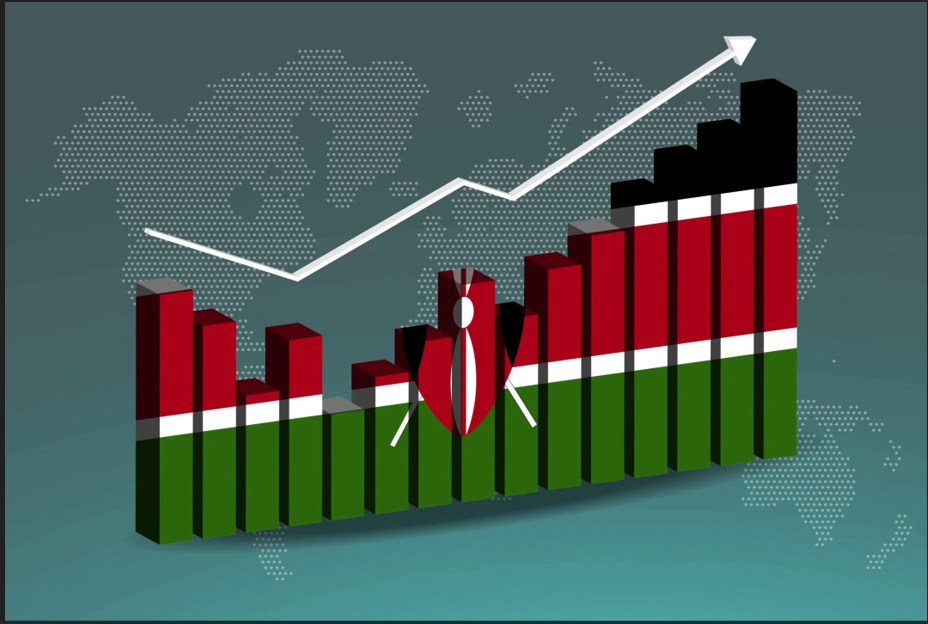
Kenya’s macroeconomic environment continues to show signs of gradual stabilization as policymakers, investors, and businesses monitor key economic indicators shaping the country’s growth outlook. In recent years, the economy has faced several pressures ranging from global economic shifts to domestic fiscal challenges. However, current trends in inflation, monetary policy, and investment activity suggest that the economy is adjusting toward a more balanced path.
One of the most closely observed indicators of macroeconomic performance is inflation. Stable or moderating inflation provides a signal that price pressures within the economy are becoming more manageable. When inflation levels remain within a predictable range, businesses can plan production costs and pricing strategies more effectively, while households gain a clearer understanding of future living expenses. Stable inflation also supports confidence in financial markets, encouraging investment and long-term economic planning.
Another important element shaping Kenya’s macroeconomic conditions is monetary policy. Central banks play a key role in maintaining economic stability by managing interest rates and controlling liquidity in the financial system. Through careful policy adjustments, authorities aim to balance price stability with the need to sustain economic growth. Interest rate decisions influence borrowing costs for businesses and consumers, affecting investment activity, consumption patterns, and overall economic momentum.
Fiscal policy also remains a central component of the country’s macroeconomic framework. Government spending and public debt management have significant implications for economic stability and investor sentiment. Efforts to balance development spending with sustainable borrowing practices are important for maintaining confidence among domestic and international investors. When fiscal discipline is maintained, it helps create a stable environment for both private sector expansion and long-term infrastructure investment.

External economic factors also continue to influence Kenya’s macroeconomic outlook. Global commodity prices, exchange rate movements, and shifts in international financial markets can affect trade balances and capital flows. As a regional economic hub, Kenya remains closely connected to global economic developments. Changes in international demand, energy prices, and financial conditions can therefore influence domestic economic performance.
The private sector remains a key driver of economic activity. Business expansion, entrepreneurship, and investment in sectors such as manufacturing, services, and agriculture contribute significantly to economic growth. When macroeconomic conditions remain stable, firms are more likely to increase investment, create employment opportunities, and expand production capacity. This contributes to stronger economic resilience over time.
Overall, Kenya’s macroeconomic conditions reflect a period of cautious adjustment and stabilization. While challenges such as fiscal pressures and global economic uncertainty remain relevant, the broader economic environment continues to evolve toward greater stability. Monitoring indicators such as inflation, fiscal policy, interest rates, and private sector performance will remain essential for understanding the direction of the country’s economic trajectory.