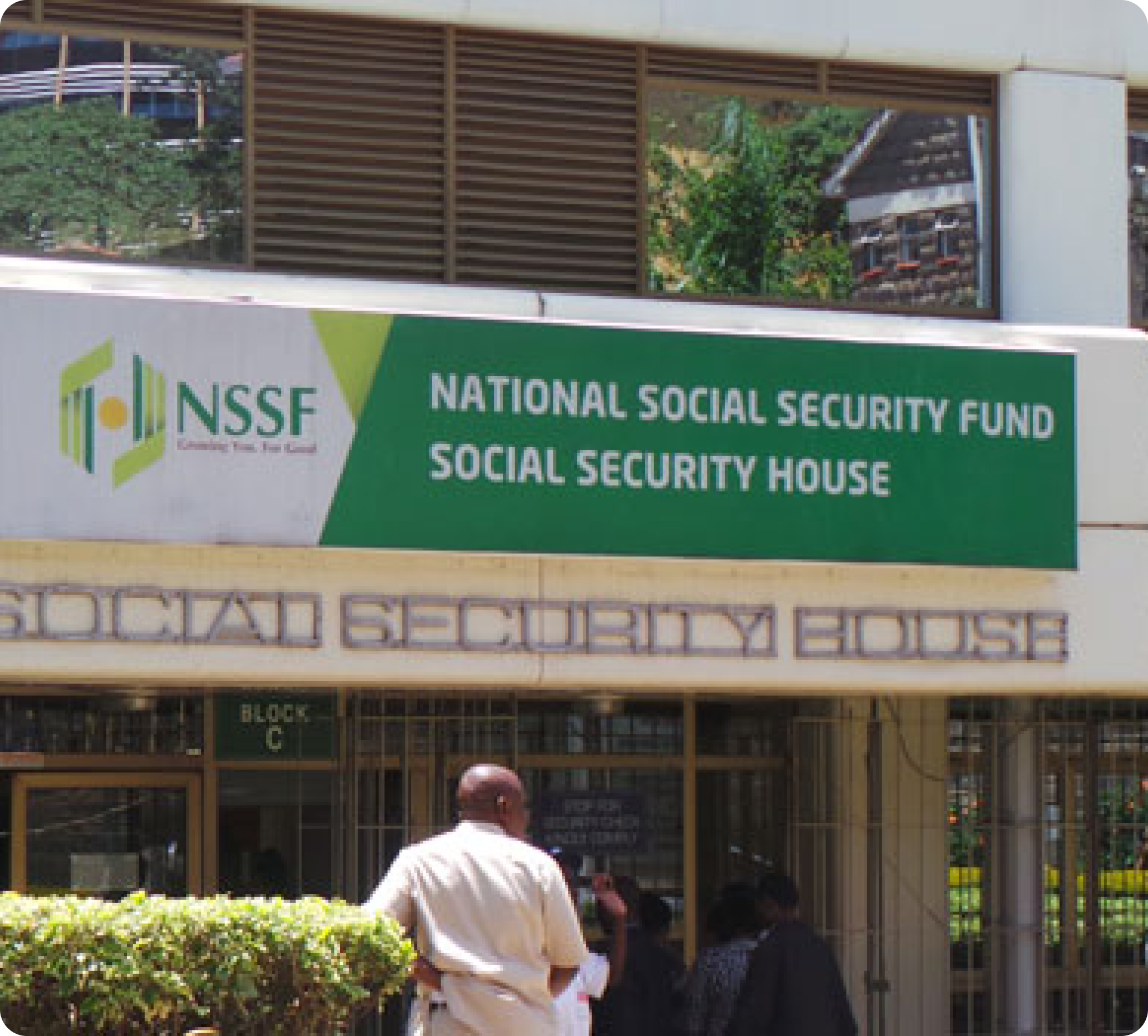
At least 785 firms in Kenya have applied to opt out of remitting Tier II contributions to the National Social Security Fund (NSSF) over the past two years. This has emerged following the phased implementation of the NSSF Act 2013, which took full effect in February 2023 after a decade of legal challenges and has significantly increased the mandatory cost of employment for many employers. As of March 2026, the transition has entered its fourth year, seeing the Upper Earnings Limit rise to 108,000 KES, up from 72,000 KES in 2025 and the initial 18,000 KES in 2023.
Under this two tier contribution structure, Tier I contributions remain mandatory for all and must be remitted directly to the NSSF, while Tier II contributions apply to earnings above the lower limit. Employers have the legal right to “contract out” these Tier II funds to private pension schemes approved by the Retirement Benefits Authority (RBA), provided they meet specific compliance criteria. Business leaders and groups such as the Federation of Kenya Employers (FKE) have raised alarms over the cumulative burden of these statutory deductions. In addition to the enhanced NSSF rates, where combined contributions can now reach 12,960 KES monthly for high earners, employers must also navigate the Social Health Insurance Fund (SHIF) and the 1.5% Affordable Housing Levy, all of which add to operational costs during a period of high inflation and currency fluctuations.
Despite the move by hundreds of firms toward private alternatives for Tier II, the NSSF has reported robust growth and maintains that the reforms are intended to improve long-term retirement outcomes by increasing national savings. In its most recent annual general meeting, the Fund declared a record 17% return on members’ savings for the 2024/2025 financial year, with total member contributions rising to 84 billion KES. NSSF officials emphasize that higher contributions will eventually translate into more meaningful benefits for employees once they retire, ensuring they receive an adequate income after their working years.
However, the departure of these firms from the NSSF’s Tier II pool reflects a strategic shift in the private sector toward higher yields and more flexible investment management. Analysts note that while pension reforms are essential for strengthening social protection systems, the short term liquidity strain may lead some firms to scale down operations, reduce hiring, or shift toward informal work arrangements to remain viable. The situation highlights a broader policy challenge for Kenya in balancing the need to secure workers’ futures with the goal of maintaining a competitive and supportive environment for small and medium-sized enterprises.


With the NSSF Act 2013 moving toward its final implementation phases, the balance between securing the future of Kenyan workers and maintaining a competitive business environment remains the primary challenge for policymakers in 2026.