Kenya has seen pump prices surge to their highest level in nearly three years as the fallout from the war on Iran ripples through global energy markets. The jump in fuel costs is not an isolated shock: in Kenya’s interconnected economy, higher petrol and diesel prices quickly translate into steeper food, transport, electricity, and manufacturing costs, amplifying inflationary pressures and squeezing household budgets.
What Happened and How Big the Move Was
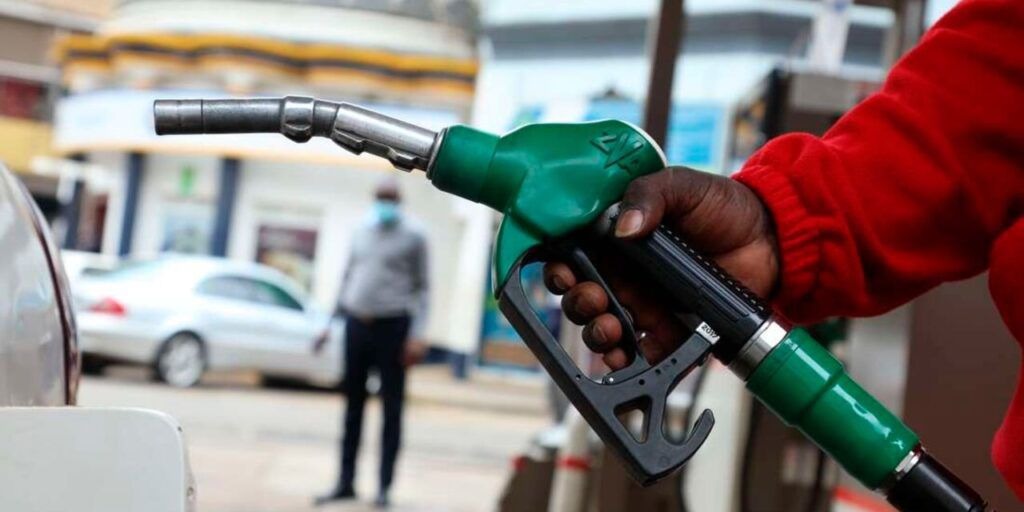
According to David Herbling, the Energy and Petroleum Regulatory Authority announced a sharp rise in retail fuel rates in Nairobi: gasoline rose 16% to 206.97 shillings per liter, while diesel climbed 24% to 206.84 shillings per liter. Kerosene, a vital household fuel for many families, held at 152.78 shillings per liter. These rates will remain in effect for the next four weeks as authorities monitor global developments.
Government Measures to Cushion Consumers
To blunt the immediate pain at the pump, Kenyan authorities moved quickly:
- Withdraw 6.2 billion shillings from the Petroleum Development Levy Fund to stabilize retail prices.
- Cut the value-added tax on fuel from 16% to 13% to reduce the landed cost of petroleum products for consumers.
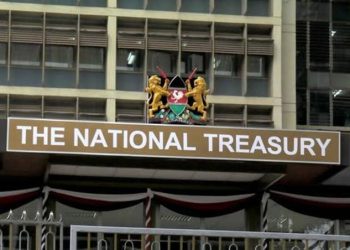
- The stabilization fund currently holds about 17 billion shillings, which Treasury officials say can support temporary price relief for roughly three months if global prices remain elevated.
These steps mirror actions taken by other African governments that have used tax reliefs and subsidies to contain the social and economic fallout of rising energy costs.


Broader Economic Consequences
Fuel is a primary driver of inflation in Kenya. The immediate transmission channels include:
- Transport and logistics: Higher diesel raises freight costs, which feed into retail prices for food and manufactured goods.
- Agriculture and food prices: Increased fertilizer and transport costs push up the price of staples.
- Electricity and industry: Fuel-dependent generation and manufacturing face higher input costs, squeezing margins and investment appetite.
- Foreign exchange and reserves: Kenya has spent nearly $1.3 billion since the conflict began to stabilize the shilling and cover import bills, draining reserves and narrowing policy space.
Monetary authorities expect inflation to breach the central bank’s midpoint and potentially peak in midyear, while growth forecasts have been revised down—reflecting the combined drag of higher prices and weaker external demand.
Policy Tradeoffs and Timing
Short-term relief via subsidies and tax cuts buys breathing room but creates tradeoffs:
- Fiscal cost: Subsidies and VAT reductions erode revenue at a time when public finances are already strained.
- Temporary relief: Stabilization funds are finite; prolonged high global prices would exhaust buffers and force harder adjustments later.
- Market signals: Repeated interventions can blunt incentives for energy efficiency and diversification unless paired with structural reforms.
Policymakers must balance immediate social protection with medium-term fiscal sustainability and incentives for diversification away from imported fuels.
Practical Recommendations
- Target support to the most vulnerable through cash transfers or transport subsidies rather than broad fuel subsidies that benefit all consumers.
- Use the stabilization fund sparingly and transparently, with clear triggers and sunset clauses to avoid open‑ended fiscal commitments.
- Accelerate energy diversification by incentivizing renewables, improving public transport, and promoting efficient logistics to reduce fuel intensity.
- Strengthen social safety nets to shield low‑income households from food and transport shocks.
- Communicate policy plans clearly to markets and citizens to anchor expectations and preserve confidence in macroeconomic management.