Rising inflation remains a key concern for retirement planning in Kenya, and recent global developments, particularly the Iran war, are adding new pressure to the cost of living. Although Kenya’s inflation rate is relatively moderate compared to global averages, its long-term impact on retirement savings is significant.
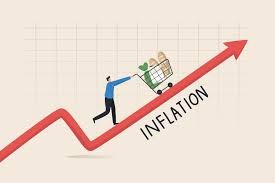
As of March 2026, Kenya’s annual inflation rate stands at about 4.4%, slightly up from 4.3% in February. While this falls within the Central Bank of Kenya’s target range of 2.5%–7.5%, it still represents a steady rise in the general price level of goods and services. Over time, even moderate inflation can erode the purchasing power of savings, especially for retirees who rely on fixed incomes.
One of the clearest effects of inflation in Kenya is the rising cost of basic necessities such as food, transport, and housing. Food inflation, for instance, has remained relatively high, driven by supply constraints and rising fuel costs. The Iran war has worsened this situation by increasing global oil prices, which directly affects transportation and electricity costs in Kenya.
For retirees, this creates a serious financial challenge as inflation erodes the real returns of retirement savings. Most retirement income sources in Kenya such as pensions or savings accounts do not automatically adjust for inflation. As prices rise, retirees must spend more to maintain the same standard of living. For example, data shows that due to cumulative inflation, Kshs 1,000.0 in 2019 is now worth about Kshs 670.0 in 2026, highlighting how purchasing power declines over time.


The Iran war also affects retirement savings indirectly through financial markets and interest rates. To manage inflation and currency stability, the Central Bank of Kenya may adjust interest rates or pause rate cuts. While higher interest rates can benefit savers in the short term, they can reduce the value of existing investments such as bonds and slow economic growth. Indeed, Kenya’s private sector activity has already shown signs of contraction due to rising costs and global uncertainty.
Another concern is longevity risk. As life expectancy increases in Kenya by 0.3% to 67.9 from 67.7, retirees need their savings to last longer. With inflation steadily increasing living costs, individuals may be forced to withdraw more money each year, increasing the likelihood of exhausting their savings.
In conclusion, even though Kenya’s inflation rate appears stable, its long-term effects especially when amplified by global shocks like the Iran war pose a real threat to retirement security. Rising costs of living, reduced purchasing power, and economic uncertainty all contribute to financial strain. To protect their future, Kenyans should consider diversified investments, inflation-aware savings strategies, and flexible retirement planning to ensure their savings retain value over time.