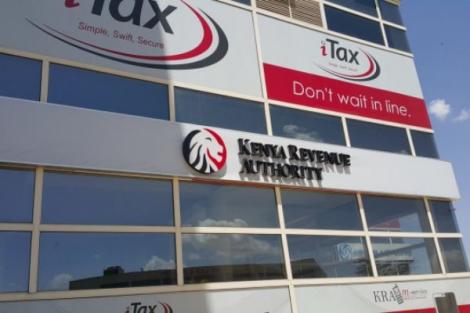
The Kenya Revenue Authority (KRA) has enhanced its compliance monitoring through the iTax system, making it easier to identify inconsistencies in taxpayer records. When an account is flagged, it typically means there is a discrepancy or missing information that requires clarification. It does not automatically imply fraud, but it does signal that your tax profile needs attention.One of the most common reasons accounts are flagged is a mismatch between declared income and third-party data. KRA receives information from employers through Pay As You Earn (PAYE) returns, as well as from other entities such as withholding tax agents. If your filed returns do not align with these records, the system may automatically trigger a compliance check.
Failure to file returns is another major cause. In Kenya, all registered taxpayers are required to file annual returns, even if they have no income. Submitting a nil return is mandatory for those without taxable earnings. Missing these filings can lead to penalties and may result in your account being flagged for non-compliance.Errors or inconsistencies in tax declarations can also raise concerns. For example, differences between income tax and VAT filings, incorrect reporting of business income, or simple data entry mistakes can all prompt review. These issues are often administrative but still require correction to maintain compliance.
Late payment or non-remittance of taxes such as PAYE, VAT, or withholding tax is another key trigger. KRA tracks both filing and payment timelines, and delays can affect your compliance status even if the taxes are eventually paid.Additionally, unusual financial activity that does not match your declared income may attract scrutiny. Large or frequent transactions, especially those suggesting business activity, can lead to questions if they are not reflected in your tax filings. This is increasingly relevant as KRA continues to integrate more data sources into its monitoring systems.If your account is flagged, the first step is to log into your iTax portal and review any notices or compliance requests. KRA typically outlines the issue and may request supporting documentation. Ensuring that all your returns are filed and up to date is essential, as this alone can sometimes resolve the issue.
It is also important to reconcile your financial records by comparing your tax filings with documents such as bank statements, invoices, and employer records. Where discrepancies exist, providing clear explanations supported by documentation can help resolve the matter efficiently.Maintaining accurate records, filing returns on time, and ensuring consistency across all declarations are the best ways to avoid being flagged in the future. Regularly reviewing your tax profile on iTax can also help you identify and correct issues early. In most cases, a flagged account is simply a prompt to review and align your tax affairs, and it can be resolved smoothly with timely action.