Sharp Daily
No Result
View All Result
Thursday, April 23, 2026
  • Home
  • News
    • Politics
  • Business
    • Banking
  • Investments
  • Technology
  • Startups
  • Real Estate
  • Features
  • Appointments
  • About Us
    • Meet The Team
Sharp Daily
  • Home
  • News
    • Politics
  • Business
    • Banking
  • Investments
  • Technology
  • Startups
  • Real Estate
  • Features
  • Appointments
  • About Us
    • Meet The Team
No Result
View All Result
Sharp Daily
No Result
View All Result
Home Economy

It’s Parliament vs Treasury on the battle over zero-rated essentials.

Brian Otieno by Brian Otieno
June 19, 2025
in Economy
Reading Time: 2 mins read

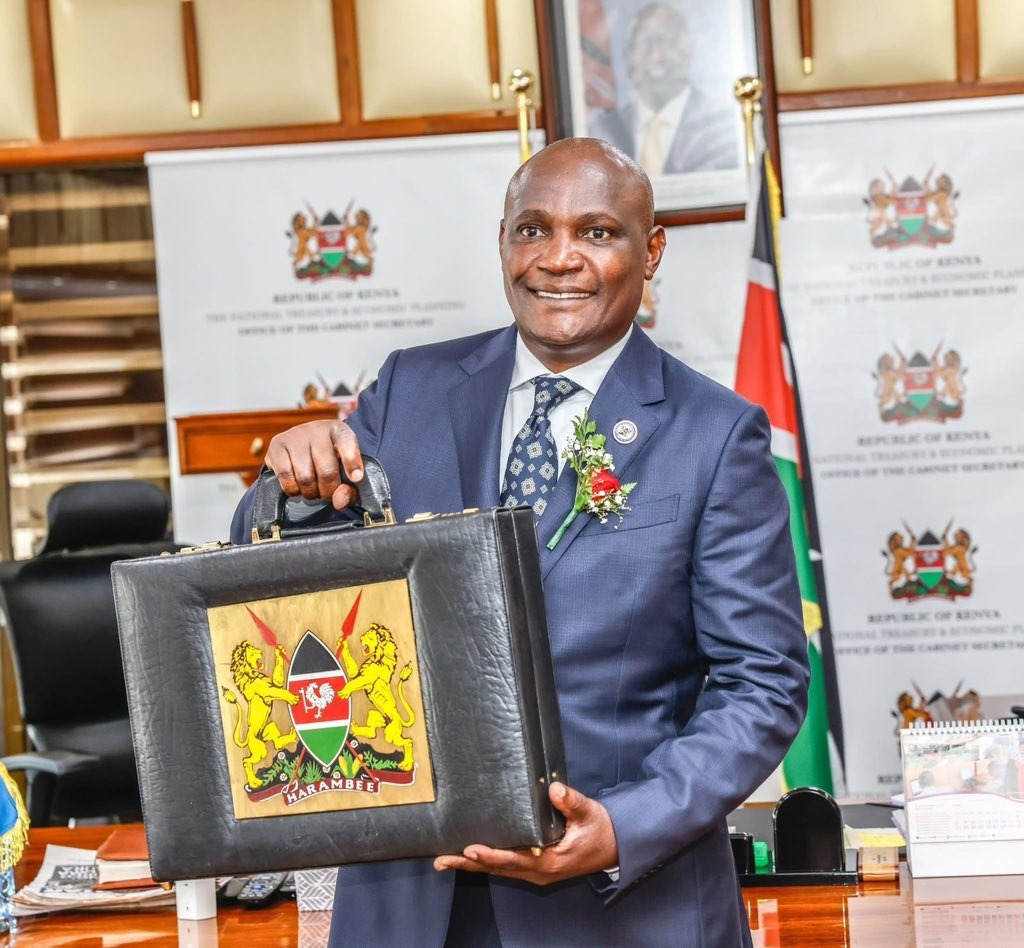
Kenya’s fiscal landscape is at a pivotal moment as the National Assembly’s Finance and Planning Committee rejected the National Treasury’s proposal to raise KES 30.0 billion through the Finance Bill 2025 by erasing tax benefits for some key products. This decision by the committee will now preserve the zero-rated status of locally assembled goods such as mobile phones, electric bicycles and motorcycles, reflecting a cautious approach to taxation. The move underscores a broader struggle to balance revenue needs with the welfare of consumers and local industries, especially in the wake of last year’s violent protests that forced the government to abandon a  tax hike plan, resulting in over 50 deaths.

This year, the treasury’s strategy hinged on shifting these products from zero-rated to exempt status, a change that would have removed the ability to reclaim input VAT. Zero-rated supplies allow businesses to offset costs, keeping prices manageable, while exempt status imposes higher operating expenses, often passed onto consumers.

The committee’s stance that reverting to exempt status would undo the 2023 Finance Act’s intent to support local industries and lower costs for essential goods. The members reckoned that  maintaining this reform prevents price surges that could burden households and discourage investment.

This rejection however,comes at a cost. The KES 30.0 billion shortfall will weaken the government’s revenue, potentially straining public services such as healthcare and infrastructure. The decision also highlights the  trauma of last year’s sour experience with Finance Bill, that forced retraction of  the tax bill. The government therefore curbed aggressive tax measures  in this year’s signals that the government is wary of confrontation. While avoiding unrest is prudent, it risks leaving a revenue gap that could hinder development not unless they turn to borrowing.

RELATEDPOSTS

Co-op Bank to Restructure into Holding Company

April 23, 2026

Kenya freezes Binance accounts as Crypto crackdown signals tougher regulatory shift

April 23, 2026

This moment   calls for a rethink of Kenya’s tax strategy, as a more inclusive approach like broadening the tax base by targeting untapped sectors or enhancing compliance could offer better alternatives as compared to quick fixes that spark public outrage.


Previous Post

The real price of Israel – Iran Conflict for Kenya.

Next Post

Investor shift to long term bonds drives oversubscription in CBK’s reopened auction

Brian Otieno

Brian Otieno

Related Posts

Analysis

Co-op Bank to Restructure into Holding Company

April 23, 2026
Economy

Kenya freezes Binance accounts as Crypto crackdown signals tougher regulatory shift

April 23, 2026
Analysis

Multinationals repatriate Sh42.2 billion as dividend growth highlights strength of Kenyan subsidiaries

April 22, 2026
Analysis

Multinational firms drive massive kSh42 billion dividend distribution on NSE

April 22, 2026
Analysis

Kenya’s growth outlook 2026

April 21, 2026
Economy

Kenya’s fiscal deficit to hit 6.4% of GDP in 2026, IMF warns

April 21, 2026

LATEST STORIES

Co-op Bank to Restructure into Holding Company

April 23, 2026

Kenya freezes Binance accounts as Crypto crackdown signals tougher regulatory shift

April 23, 2026

Insurance claims surge past Sh100 billion as medical and motor costs drive industry pressure

April 23, 2026

The role of inflation targeting in monetary policy frameworks

April 23, 2026

Economic inequality and wealth distribution in Kenya

April 22, 2026

Kenya’s new loan rules require borrowers to prove repayment ability before approval

April 22, 2026

Sustainable investing and ESG trends

April 22, 2026

Planning for early retirement

April 22, 2026
  • About Us
  • Meet The Team
  • Careers
  • Privacy Policy
  • Terms and Conditions
Email us: editor@thesharpdaily.com

Sharp Daily © 2024

No Result
View All Result
  • Home
  • News
    • Politics
  • Business
    • Banking
  • Investments
  • Technology
  • Startups
  • Real Estate
  • Features
  • Appointments
  • About Us
    • Meet The Team

Sharp Daily © 2024