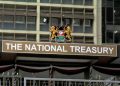
Kenya, like many other countries, faces the challenge of supporting financially distressed companies, especially in the aftermath of economic disruptions caused by global events such as the COVID-19 pandemic.
For a country with a burgeoning economy and ambitious development goals, it is imperative to adopt multifaceted strategies to rescue struggling businesses.
Here are several approaches the Kenyan government could consider to alleviate the financial strain on companies and foster a more resilient economic environment.
- Tax Relief and Incentives
One of the immediate measures the government can take is offering tax relief to distressed companies. Temporary suspension or reduction of corporate taxes, VAT, and other levies can provide the much-needed liquidity for businesses to stay afloat. Tax incentives for investment in critical sectors, such as manufacturing and technology, could also stimulate growth and innovation. This approach not only alleviates immediate financial burdens but also encourages reinvestment and expansion.


- Access to Affordable Credit
The government can enhance access to affordable credit through partnerships with financial institutions. Establishing a fund specifically designed to offer low-interest loans or grants to struggling businesses can help them manage cash flow issues. The Kenyan government, through agencies like the Kenya Industrial Estates (KIE) and the Kenya Development Corporation (KDC), can expand their mandate to provide more targeted financial assistance. Additionally, guarantees for loans from commercial banks can reduce the risk for lenders, making them more willing to extend credit to distressed companies.
- Regulatory Reforms
Streamlining and simplifying the regulatory framework can significantly reduce the operational costs for businesses. By cutting red tape and minimizing bureaucratic hurdles, the government can create a more conducive environment for businesses to operate efficiently. For instance, simplifying the process for business registration, licensing, and compliance can lower the barriers to entry and reduce the administrative burden on existing companies.
- Public-Private Partnerships (PPPs)
Encouraging public-private partnerships can mobilize resources and expertise to support distressed companies. The government can collaborate with private sector players to create programs that offer mentorship, financial advice, and strategic planning to struggling businesses. PPPs can also facilitate infrastructure development projects that create jobs and stimulate economic activity, thereby providing indirect support to distressed companies.
- Sector-Specific Interventions
Tailored interventions for specific sectors that are particularly hard-hit can be more effective than blanket policies. For example, the tourism and hospitality industry, which was severely impacted by the pandemic, could benefit from targeted marketing campaigns, subsidies, and training programs. Similarly, the agricultural sector could be supported through investments in technology and infrastructure to boost productivity and market access.
- Innovation and Technology Adoption
Promoting the adoption of technology and innovation can help companies become more competitive and resilient. The government can incentivize digital transformation through grants, subsidies, and tax breaks for companies investing in technology. Initiatives such as digital skills training for employees and support for tech start-ups can drive innovation and efficiency across various sectors.
These measures will not only support struggling businesses in the short term but also lay the foundation for sustainable growth and development in the future. As Kenya navigates its economic challenges, such proactive and strategic interventions are crucial for ensuring long-term prosperity and stability.