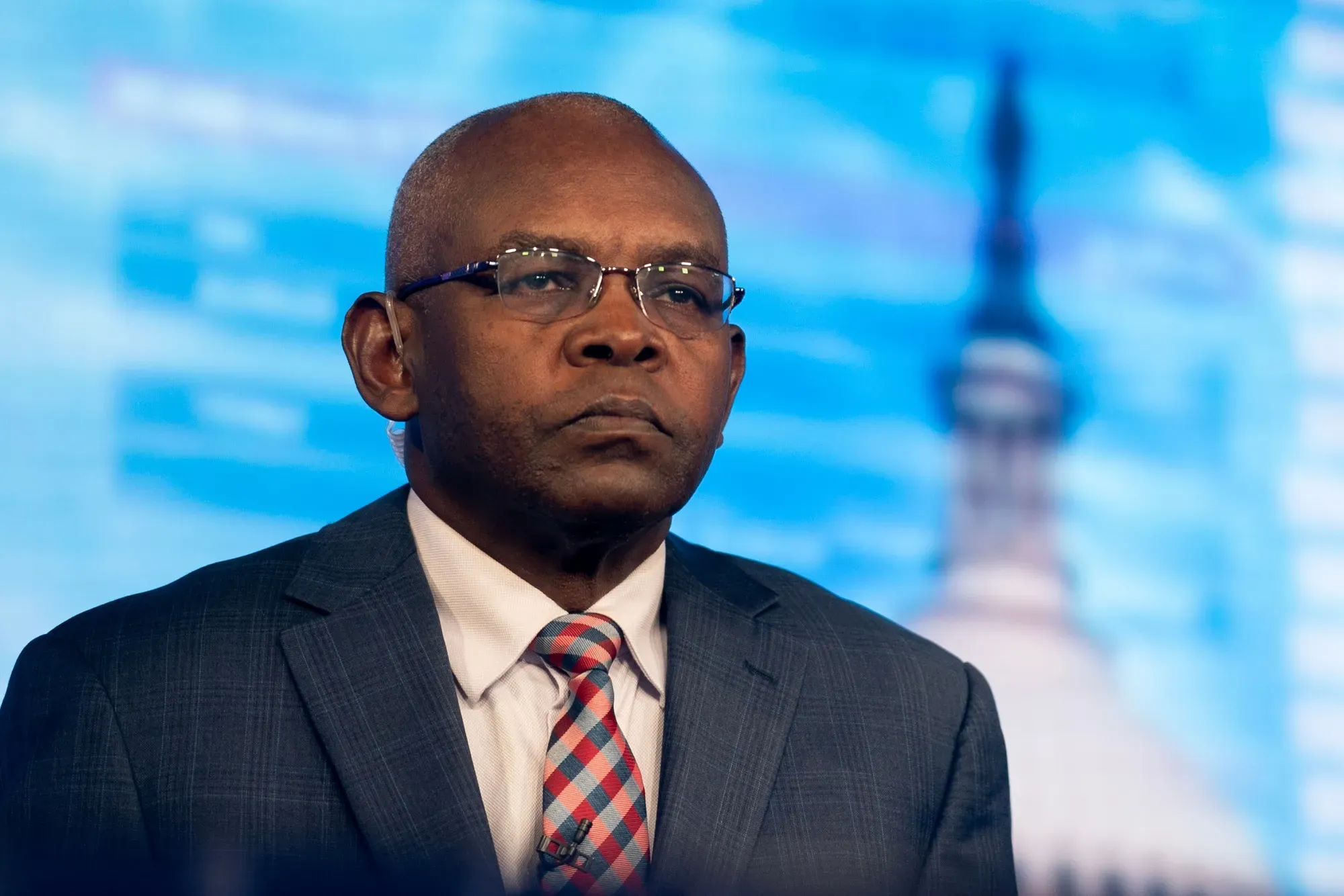
When monetary authorities make the decision to pause, it often signals something more profound than steady-as-she-goes economics. On Tuesday, Kenya’s Central Bank Governor Kamau Thugge announced that the Bank had held its benchmark interest rate at 8.75% for the second consecutive meeting—a seemingly modest statement that, upon closer examination, reveals the complex intersection of geopolitical crisis, inflationary pressure, and the delicate balancing act required to steer an emerging-market economy through turbulent times.
The decision itself was not surprising. Analysts and market observers had anticipated the pause. Yet the reasoning behind it—and the broader context in which it sits—tells a compelling story about how distant conflicts reshape domestic economic conditions and force policymakers into difficult positions.
Oil Shocks and the Inflation Reality
The Middle East conflict has reverberated through Kenya’s economy in tangible, painful ways. Since the escalation of tensions, diesel prices have surged 40 percent, while petrol costs have climbed 20 percent. For a nation heavily dependent on imported energy and where fuel costs permeate everything from transportation to electricity generation to agricultural production, these are not abstract figures—they are multipliers of inflation that ripple through every corner of the economy.

The inflation numbers tell the story starkly. Kenya’s annual inflation rate jumped to 6.7 percent in May from 5.6 percent in April—a concerning trajectory. Core inflation, which strips out volatile items like food and fuel, ticked up to 3.2 percent from 2.8 percent month-on-month. These figures are now brushing against the upper boundary of Kenya’s central bank target band of 2.5 to 7.5 percent, leaving little room for further deterioration without breaching acceptable limits.
Governor Thugge’s statement acknowledged this tension directly, noting that the conflict
“has disrupted global supply chains and led to a sharp increase in energy prices and transportation costs, resulting in higher inflation and moderated global growth prospects.” The CBK’s measured approach suggests a belief that if the geopolitical situation stabilizes—a significant ‘if’—inflation pressures may ease. However, the bank remains vigilant, committing to monitor oil prices and second-round inflationary effects closely.
A Regional Pattern: When Emerging Markets Pause
Central banks across the emerging-market world—in Indonesia, Turkey, and South Africa—have similarly halted their monetary easing cycles or begun cautious rate increases in response to soaring oil prices and renewed currency pressures. This synchronized response underscores just how interconnected global financial systems are and how shocks originating thousands of miles away can derail domestic policy trajectories.
The CBK’s own recent history illustrates how dramatically the calculus can shift. Just months ago, the bank had been cutting rates aggressively—ten consecutive reductions totaling 425 basis points—seeking to stimulate borrowing and economic growth. That easing cycle reflected an environment of lower inflation and perceived monetary slack. Today’s pause represents a recognition that room for continued stimulus has narrowed considerably.
Amid these headwinds, Kenya has one notable advantage: currency stability. The Kenyan shilling has remained resilient, holding in a narrow range against the US dollar despite external pressures. More importantly, the nation’s foreign-exchange reserves—at $13.2 billion—cover nearly six months of imports, providing a substantial buffer against both short-term volatility and longer-term external shocks.
This reserve position is not merely a technical statistic; it represents genuine economic insurance. It has allowed the CBK to maintain policy flexibility without the currency-depreciation fears that plague some other emerging economies. In a region where currency crises can cascade into broader economic instability, Kenya’s foreign reserves offer a measure of reassurance to both domestic and international investors.
Growth Headwinds and the Revised Outlook
The broader economic outlook has dimmed. The CBK has revised Kenya’s projected economic growth downward to 4.9 percent for the year, down from a previous estimate of 5.3 percent. This slowdown reflects the fallout from the Middle East conflict—via energy prices, supply chain disruptions, and reduced global growth prospects.
Equally concerning is the widening current-account deficit, projected to expand to 3 percent of gross domestic product from 2.1 percent in 2025. Higher oil import bills, combined with weaker services income, slower remittance growth, and reduced export performance, all point to an increasingly difficult external balance. For a country that depends significantly on tourism revenues, diaspora remittances, and agricultural exports, these headwinds carry real weight.
Yet the CBK’s decision to hold rates suggests confidence that inflation will not spiral out of control if geopolitical tensions ease. This optimistic scenario underpins the bank’s ‘benign outlook’—to borrow the phrase from Churchill Ogutu, head of research at Capital A Investment Bank, who noted that the rate hold signals authorities do not expect inflation to breach the upper 7.5 percent threshold.
Credit Demand and the Real Sector
One encouraging sign lies in private-sector credit growth. Banks extended more credit in May (9.3 percent growth) compared to April (7.1 percent), reflecting what the CBK describes as ‘improved demand for credit in line with the decline in lending interest rates.’ This uptick suggests that prior rate cuts are beginning to stimulate borrowing and investment—traditionally an engine of growth.
If credit growth gains momentum and businesses begin to invest, it could provide a counterweight to the negative shocks from global geopolitical disruption. The question is whether this nascent credit appetite can be sustained if inflation continues to creep upward or if economic uncertainty deepens.
This commentary is based on reporting by David Herbling for Bloomberg.