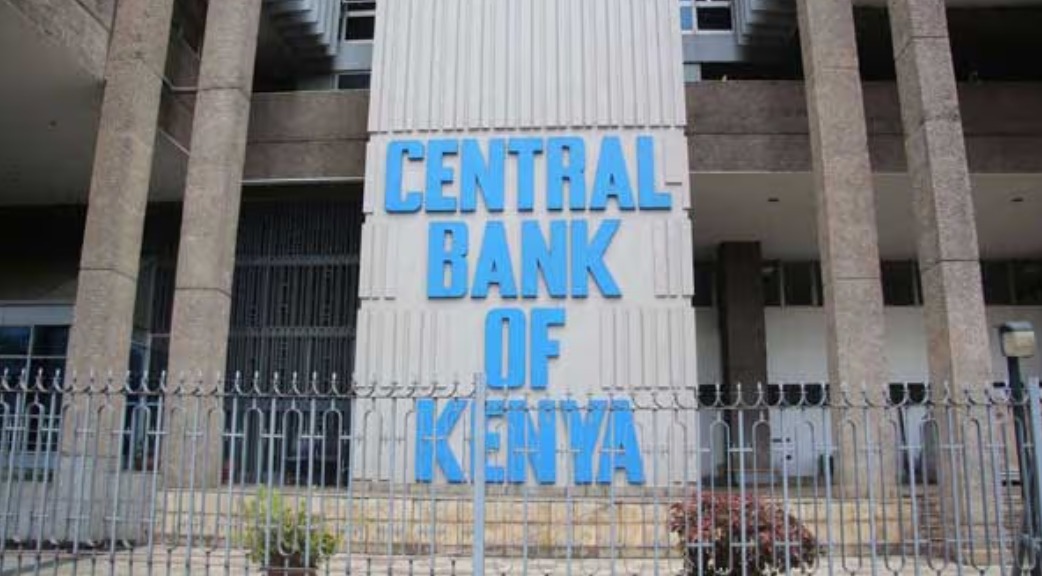
Commercial banks in Kenya are significantly reducing their exposure to state-owned enterprises, with outstanding loans to parastatals falling sharply over the past two years. The decline reflects growing caution among lenders as sweeping legal reforms change the structure of government corporations and introduce new uncertainty around government-backed borrowing.
According to data from the Central Bank of Kenya (CBK), net domestic credit extended to state corporations dropped to Sh28 billion in March 2026, down from Sh87.7 billion in March 2024. This represents a decline of more than 68 percent, while lending over the past year alone nearly halved from Sh55.7 billion to Sh28 billion.
The reduction comes as the Government Owned Enterprises (GOE) Act, 2025 takes effect. The new law requires many state corporations to transition into public limited liability companies under the Companies Act, replacing the legal frameworks that originally established them. The reforms are part of a broader government strategy to commercialise public enterprises, attract private investment and improve corporate governance.
Legal experts argue that the changes fundamentally alter how financial institutions should assess state-owned enterprises. Rather than relying on the assumption that government ownership automatically guarantees repayment, lenders are now expected to evaluate each entity based on its own financial health, profitability and ability to generate cash.

A key concern for banks is that the GOE Act does not clearly address the future of existing government guarantees, letters of support or comfort letters that previously strengthened the credit profile of many state corporations. This uncertainty raises questions about whether such guarantees will remain valid after the entities complete their transition into limited liability companies.
Lawyers also warn that the restructuring process could expose previously undisclosed liabilities through mandatory financial audits conducted before assets and obligations are transferred. As a result, banks may need to re-evaluate existing loan agreements, adjust risk assessments and seek additional legal assurances before extending new credit.
At the same time, the National Treasury has tightened borrowing rules for public enterprises. Treasury Cabinet Secretary John Mbadi has directed all state corporations to obtain approval from both the Treasury and their respective parent ministries before taking on new loans, overdrafts or other credit facilities. The Treasury has also barred financially distressed state corporations particularly those with loan defaults or pending bills from accessing additional borrowing or government guarantees.
Together, the legal reforms and stricter borrowing controls are reshaping how Kenya’s banking sector finances public enterprises. While the changes are intended to strengthen accountability and improve the management of state assets, they have also prompted banks to adopt a more cautious approach when lending to government-owned entities.