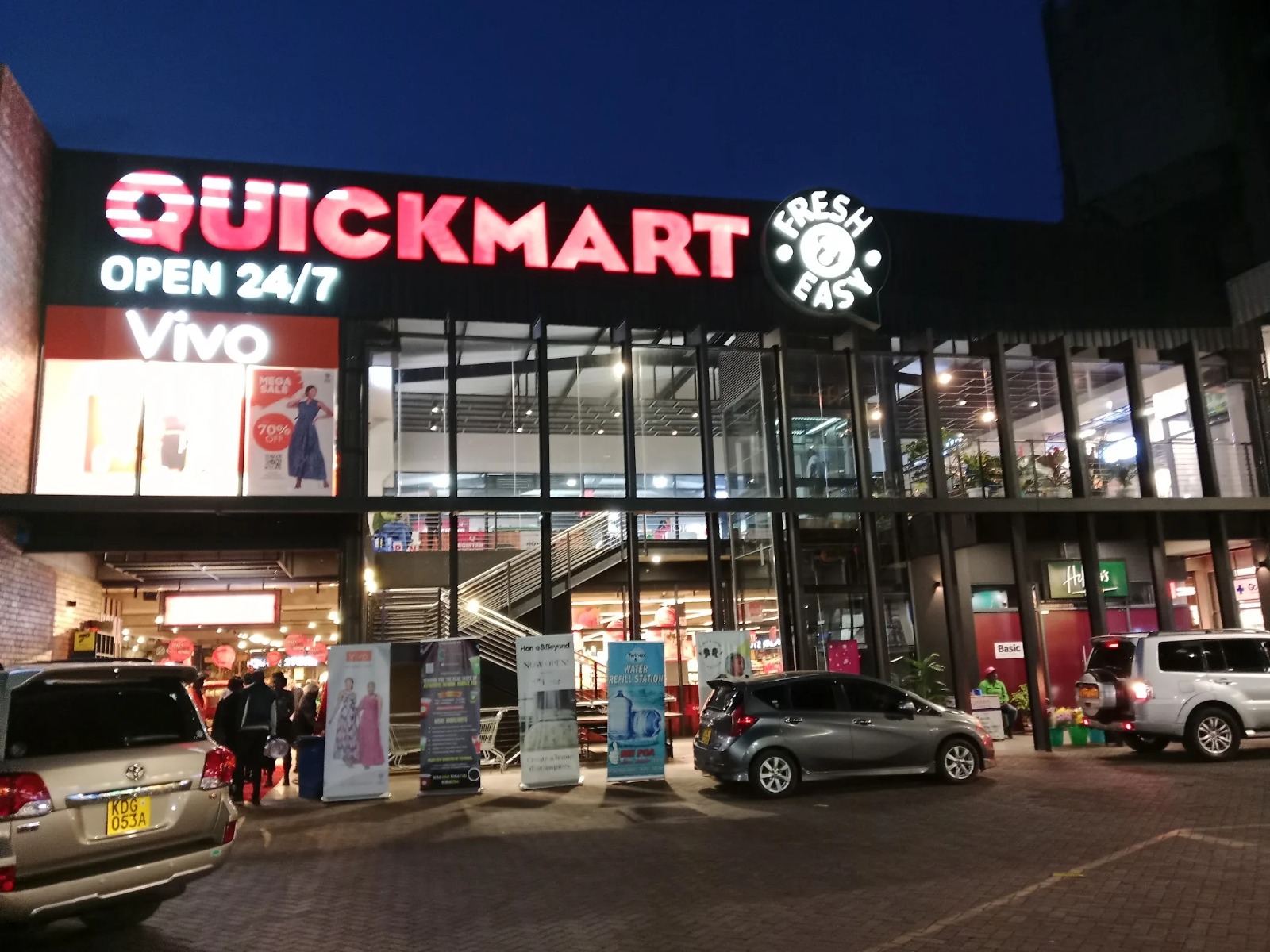
Quickmart’s Expansion Sets the Stage for a Stake Sale
Quickmart’s reported exploration of a strategic stake sale comes against the backdrop of a major transformation in Kenya’s modern retail sector, where retailers have increasingly relied on external capital to finance rapid network expansion. Quickmart has already undergone a significant private-equity-backed transformation, with Adenia Partners acquiring a controlling interest through Sokoni Retail Kenya, followed by the merger of Quickmart and Tumaini Self Service. The investment supported rapid branch expansion and helped establish Quickmart as one of Kenya’s largest supermarket chains.
Private Equity Looks Toward Capital Recycling
For private-equity investors, the potential Quickmart stake sale represents a natural capital-recycling opportunity following several years of operational expansion. Adenia’s investment strategy has focused on scaling the business through new stores, stronger category management, improved governance and investment in logistics and store infrastructure. A secondary transaction could allow an existing investor to crystallise part or all of its investment while introducing a new shareholder with additional capital and strategic capabilities. The valuation would likely depend on store-level profitability, same-store sales growth, EBITDA margins, lease obligations, working-capital requirements and the retailer’s ability to generate sustainable free cash flow rather than simply its branch count.
Retail Competition Shapes Quickmart’s Valuation
The potential Quickmart stake sale would also take place within an increasingly competitive modern-retail market. Naivas remains the largest supermarket chain by branch footprint, while Quickmart and Carrefour continue to compete aggressively for consumers, particularly in Nairobi and other high-density urban markets. Carrefour has invested almost Kshs 15.0 bn to expand its Kenyan footprint and has paid approximately Kshs 239.0 bn to local suppliers, highlighting the scale of capital and supplier relationships required to compete effectively. The competitive environment is increasingly defined by store expansion, pricing, product assortment, convenience and access to strategically located retail space.
Working Capital Remains Central to Retail Value
Working-capital management remains one of the most important determinants of value in supermarket transactions. Modern retailers typically collect cash or mobile-money proceeds from customers immediately, while supplier invoices may be settled after agreed credit periods. This can create a favourable cash-conversion structure in which supplier credit helps finance inventory before the retailer is required to make payment. However, aggressive extensions of payment periods can strain supplier relationships and ultimately disrupt inventory availability. Kenya’s supermarket sector has demonstrated that weak working-capital management and accumulated supplier obligations can become a major threat to otherwise successful expansion strategies.


Supplier Relationships Affect Quickmart’s Liquidity
Supplier relationships are particularly important as supermarkets compete increasingly on price and promotional activity. Carrefour’s experience illustrates the potential tension between large retailers and suppliers over commercial terms, while the broader sector has faced disputes involving delayed payments and buyer power. For Quickmart, maintaining disciplined inventory turnover and supplier-payment cycles will therefore be critical to protecting liquidity as the business expands. A potential investor would likely scrutinise days inventory outstanding, days payable outstanding, gross margins and cash conversion when assessing the quality of the retailer’s earnings and determining an appropriate entry valuation.
A Test of Kenya’s Retail Investment Market
From an investment perspective, the Quickmart stake sale would represent more than a simple shareholder exit. It would provide a test of how private-equity investors currently value Kenya’s modern-retail assets following several years of expansion, consolidation and changing consumer behaviour. A successful transaction could demonstrate that scaled supermarket platforms can generate attractive exit valuations when supported by strong governance, disciplined working-capital management and sustainable store-level economics. Conversely, a valuation discount could indicate continued investor concerns over thin retail margins, high operating costs, supplier obligations and the capital intensity of maintaining a large physical-store network.