The real estate landscape is shifting as stakeholders increasingly prioritize sustainability. Banks, in particular, are adapting their lending strategies to align with this trend. They are showing a growing preference for financing green buildings; structures designed with environmental sustainability in mind, over brown buildings, which are older or less energy-efficient properties. This shift is driven by a combination of environmental, economic, and risk management factors, making green buildings a more attractive investment for financial institutions.
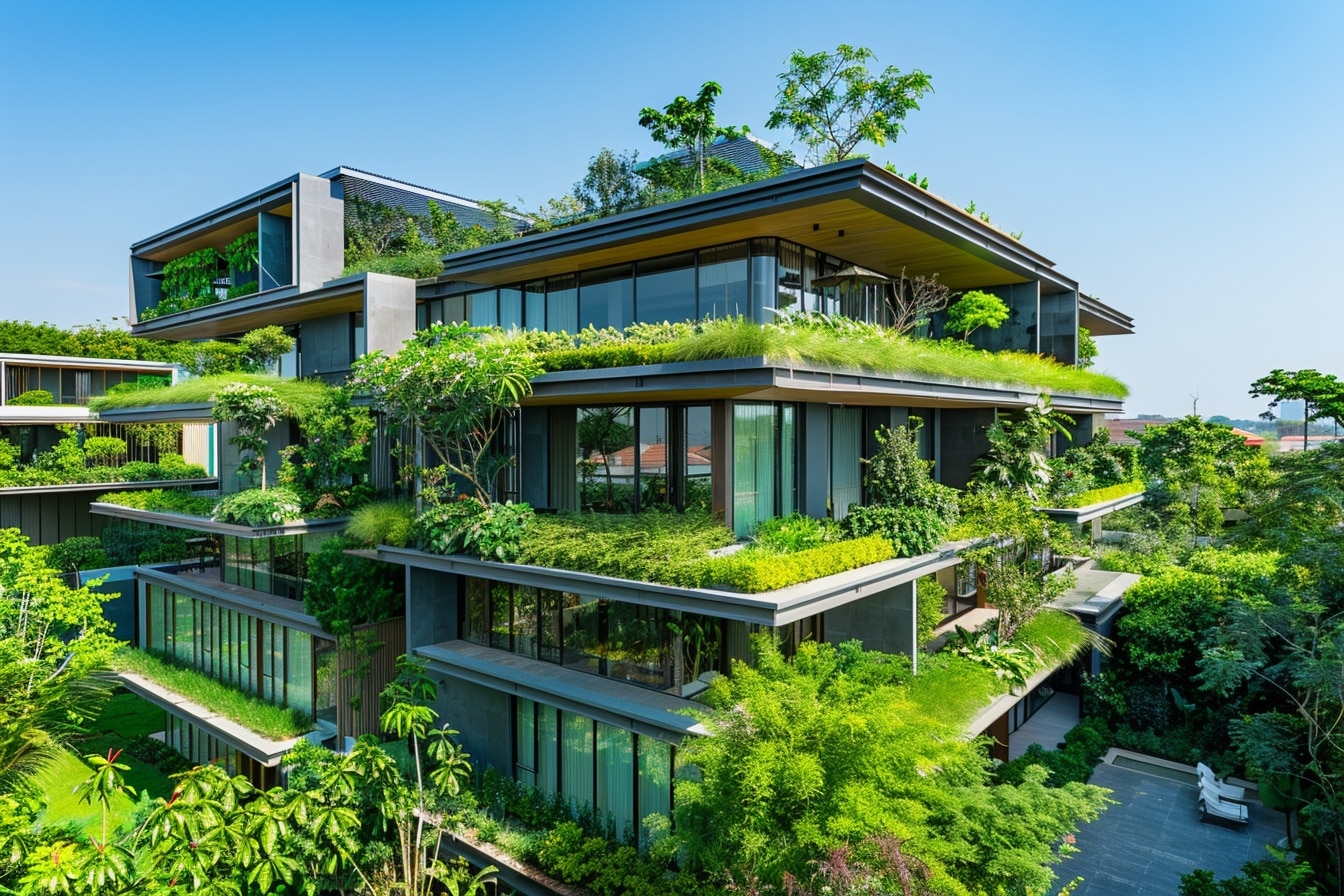
Green buildings are designed to promote sustainability by minimizing energy consumption, reducing waste, and lowering carbon footprints. These properties typically incorporate renewable energy sources, water-saving fixtures, and efficient insulation. By supporting green building projects, banks position themselves as champions of environmental conservation. This not only aligns with global sustainability goals but also enhances the bank’s brand reputation in an era where consumers and regulators increasingly demand corporate responsibility.
One of the defining characteristics of green buildings is their reduced operating costs. Features such as energy-efficient systems and water-saving technologies lead to significant savings for property owners. These cost efficiencies improve the financial stability of borrowers, making them more likely to meet their loan repayment obligations. In contrast, brown buildings often have higher utility and maintenance costs, which can strain the finances of their owners and increase the risk of loan default
Green buildings tend to appreciate more rapidly compared to brown buildings. With the growing demand for sustainable and energy-efficient properties, green buildings attract a broader pool of environmentally conscious buyers and tenants. This higher demand drives up property values, ensuring better returns on investment. Banks, therefore, view loans for green buildings as lower-risk ventures with higher potential for long-term profitability.

Green buildings typically command higher Loan-to-Value (LTV) ratios because of their increased market value and lower risk profile. The energy efficiency, lower operating costs, and long-term value retention of these buildings make them a safer collateral option for lenders. With a higher LTV ratio, banks can offer larger loans, which translates into more significant business opportunities.
Green buildings are highly marketable due to their environmental appeal, lower utility costs, and healthier indoor environments. These factors attract high-quality tenants willing to pay premium rents, ensuring steady cash flows for property owners. Banks recognize this marketability as a significant advantage, as it increases the likelihood of successful loan repayments and enhances the resale value of foreclosed properties, should defaults occur.
Environmental, Social, and Governance (ESG) criteria have become a critical factor in investment decisions. Banks are under pressure from investors and stakeholders to align their operations with ESG principles. Financing green buildings allows banks to demonstrate their commitment to sustainability and social responsibility. This alignment not only attracts ESG-focused investors but also strengthens the bank’s position in an increasingly competitive market.
Governments and international bodies are increasingly introducing policies and incentives to encourage sustainable construction. Many countries offer tax benefits, grants, or subsidies for green building projects. By financing such projects, banks can take advantage of these regulatory incentives, reducing their risk exposure and increasing profitability. Additionally, aligning with these policies helps banks comply with environmental and financial regulations, avoiding potential penalties or restrictions.
The growing preference of banks for issuing loans to green buildings over brown buildings is rooted in a combination of economic, environmental, and regulatory advantages. Moreover, by supporting sustainable projects, banks can enhance their reputation, align with ESG goals, and comply with regulatory incentives. As the world continues to prioritize sustainability, the trend toward green building financing is likely to accelerate, reshaping the future of real estate investment and lending.