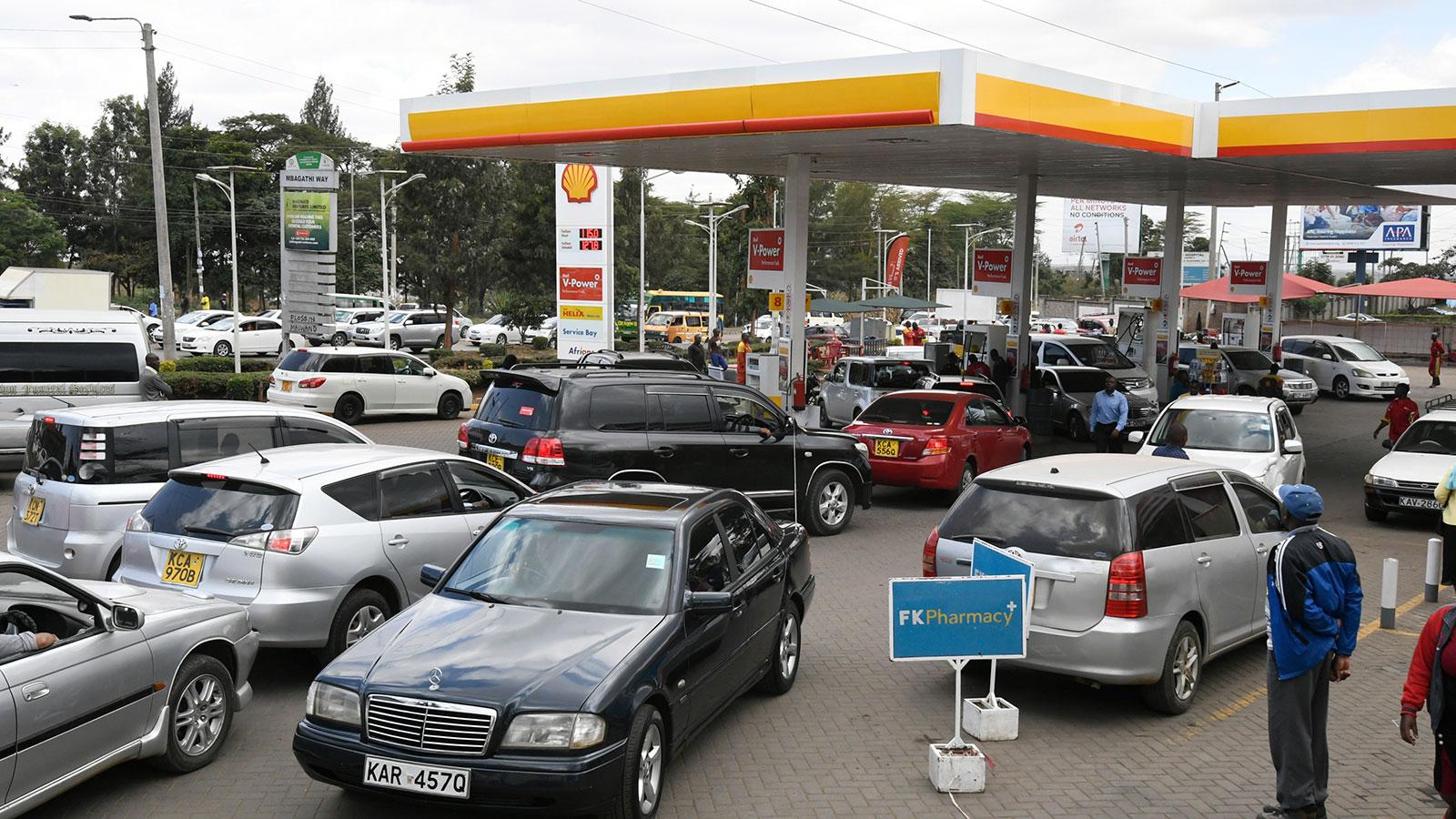
The Energy and Petroleum Regulatory Authority (EPRA) on Monday October 2, 2023 released data on fuel consumption for the year.
This recent data tells a vivid story of the relationship between tax policies and economic behavior. When the debate on the Finance Act 2023 was on, experts warned that the increased fuel taxes may not translate to higher revenue for the government, and this data may just be the earliest indication of that.
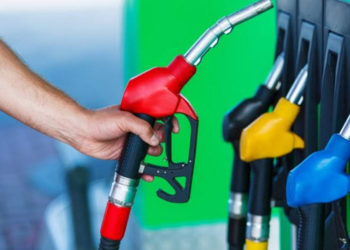
The data indicates that petroleum usage dropped to its lowest in the last half-decade. Following the doubled VAT on fuel from 8.0 percent to 16 percent that saw the price of petrol rise to KES 211.64 per litre and diesel to KES 200.99. Kenyan vehicle and machinery users have opted to reduce their consumption of fuel.
This phenomenon can be explained using the Laffer Curve concept.

The Laffer Curve illustrates the relationship between tax rates and tax revenue. At a tax rate of zero, revenue is obviously zero because no tax is collected. At a tax rate of 100 percent, revenue is again zero because there is no incentive to work or engage in economic activity when taxes confiscate all earnings. It is upon the government to find the optimal tax rate between these two extreme rates.
Read more: Mudavadi takes on expanded role as Ruto reshuffles cabinet
As taxes increase, so do fuel prices, and consumers are compelled to cut back on their fuel consumption. People could opt to leave their cars at home and use public means or totally leave them there because they cannot afford to fuel the vehicles. This reduction in consumption ultimately impacts economic growth since fuel is intertwined with various sectors of the economy. It affects not just individuals but also businesses in the country.
Businesses then have two options: reduce their production levels or pass these costs to consumers. This is where the cries over the high cost of living come in. The cost of buying products increases, with insignificant or no increase in incomes, which subsequently affects purchasing power. This dynamic can create a ripple effect throughout the economy and affect the economy’s stability negatively.
This is an early sign, and it should be a reminder to the government of the need to find a delicate balance when setting tax policies. While we acknowledge the need to collect more revenue through tax, it must never be burdensome or excessive. When the tax regime is unfriendly, there are unintended consequences on consumption patterns, economic growth, and tax revenue.
Inflation has also gone up this month; the currency is far from being stable, and there are reports of an increase in the price of global oil due to a significant reduction in supply attributed to complaints about the high cost of production by oil-producing and exporting countries and temporal ban of fuel exports by Russia which is among top three biggest global exports of oil. These factors may push fuel prices even higher in the coming weeks.
Hopefully, the government will do something about the parameters it can control, primarily taxes. It is time for the Kenyan government to reassess its tax policies on fuel and find a sustainable approach that benefits both the treasury and the broader economy.