Capitalism, an economic system where resources are privately owned, and production is driven by profit motives in competitive markets is often regarded as the most successful system in history. With Proponents arguing that the system has driven innovation, lifted millions out of poverty, and fueled global growth. However, it has also produced deep inequalities, environmental damage and social unrests particularly in Africa due to scramble over resources. Capitalism in its very nature presents a paradox offering hope for prosperity while also reinforcing old hierarchies.
Capitalism born in Europe, spread globally largely through colonization, trade, and globalization. We read from History that in many ways, African economies were forcibly integrated into capitalism during the colonial period through forced labor and slave trade leaving behind dependency and underdevelopment in our land.
Still, capitalism has not been all bad for the continent. We have seen market reforms, deregulation, and globalization helping several African countries achieve sustained growth. Countries like Kenya, Rwanda, and Ghana have become hubs for innovation and entrepreneurship, with innovations such as M-Pesa, has transforming access to finance for millions. African creatives, farmers and entrepreneurs also pushing the boundaries of what’s possible under a capitalism economy.
But capitalism’s flaws remain starkly visible. Inequality is rising both within countries and between regions. in 2022, the richest 10.0% in Africa earned 55.0% of total income, while the poorest 50.0% earned less than 10.0%. The average income of the 10.0 % richest individuals was USD 32157.2 yearly, while the income of the poorest 50.0% was USD 1,064.2 as per from World Inequality Database, alarmingly the pattern is similar even in developed states. This widening inequality gaps can be blamed on capitalism according to some scholars as those with more money will be able to exert disproportionate influence over in making to favor their interests.


Wealth will therefore be concentrated in the hands of a small elite, as a majority struggle in grinding poverty. Posh homes expand rapidly, but so do informal settlements as private investment often prioritizes profits over public welfare, leading to neglect in essential areas like education, health, and rural development.
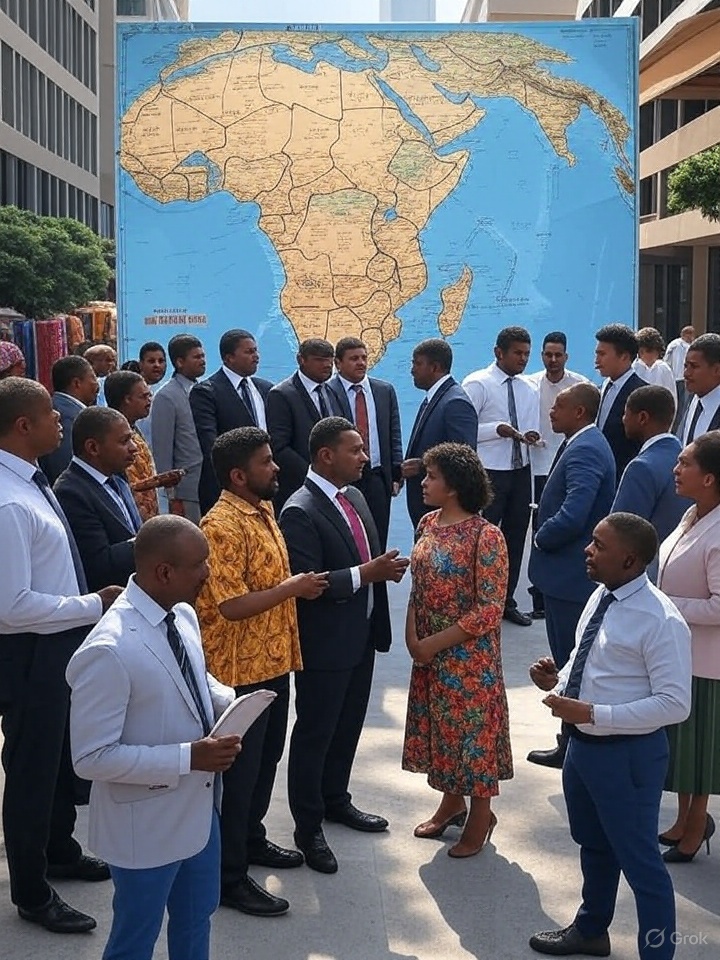
Moreover, capitalism in Africa often operates in weak regulatory environments. This creates space for corruption and exploitation. Foreign multinationals extract resources and repatriate profits, while local economies remain dependent on raw material exports and vulnerable to global shocks. The logic of capitalism clearly doesn’t align with the needs of African communities!
Yet, rejecting capitalism altogether isn’t a solution. The alternative state socialism has largely failed across the continent. What’s needed is a “Afrocapitalism” one that is inclusive, accountable, and rooted in African realities. A system that will encourage enterprise balancing it with strong public policy. A capitalism that builds infrastructure, supports farmers, empower youth, and protects the environment.
African capitalism must serve people, not just profits. We must now forge a version of capitalism that delivers not just wealth, but dignity, equity, and hope!