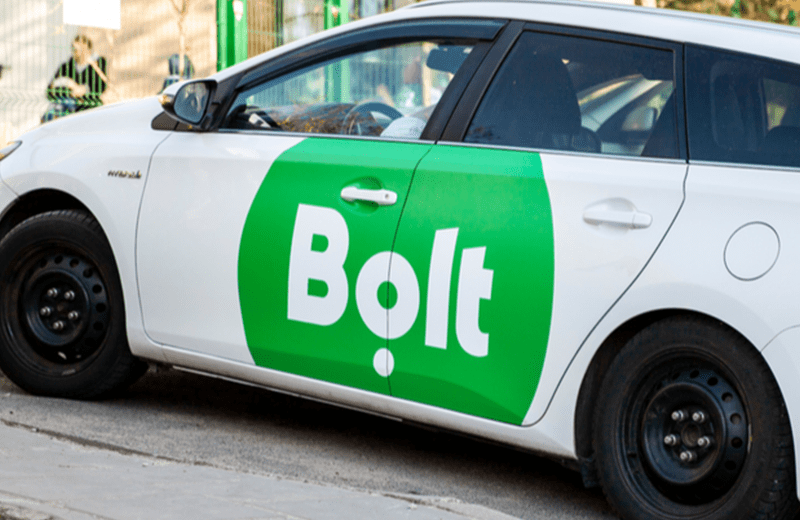
Ride-hailing company Bolt has sought to clarify ongoing concerns about its pricing structure and safety measures, insisting that its discounts do not impact drivers’ earnings and revealing plans to bolster driver and passenger safety. Speaking on Spice FM’s The Situation Room, Bolt’s General Manager for Kenya, Linda Ndungu, tackled issues raised by both drivers and customers regarding the company’s pricing model, public perception, and efforts to enhance the safety of users.
During the interview, Ndungu addressed the concern that Bolt’s frequent discounts lead to reduced earnings for drivers, a major sticking point among those using the platform. She explained that all discounts offered to passengers are fully absorbed by the company and do not affect what drivers take home at the end of the day.
“All discounts are covered by Bolt. Drivers will always get what they are due,” Ndungu said. “It might appear as though you’re getting less if you look at a single trip with a discount, but over the course of the day or week, the system balances out. It’s a cash flow conversation that we’re open to discussing with drivers, but no one is being shortchanged.”
She went on to clarify that Bolt’s dynamic pricing model, which adjusts fares based on factors like traffic and demand, is designed to keep the service affordable for passengers while ensuring drivers earn fair compensation. “We look at a good price point where passengers can afford the service and drivers can earn reasonably. The demand for rides generally increases when people perceive the service as affordable, which means more trips for drivers,” she said.

The interview also touched on public perception of Bolt, which has faced criticism in the past for being perceived as a less safe option compared to other ride-hailing apps. Ndungu acknowledged that while such views had once been widespread, the company had worked hard to change that narrative by implementing a range of safety features for both drivers and passengers.
“We understand that there were historical issues which shaped people’s perceptions, but over time, we’ve seen that improving,” she explained, adding that safety remains Bolt’s top priority. “We’ve introduced several features such as trip anomaly detection, where both the driver and passenger are prompted if a vehicle stops unexpectedly, and an SOS button for emergencies. Safety is at the core of our operations.”
Ndungu highlighted some of the key steps Bolt takes to ensure the safety of drivers, who have expressed concerns about being targeted by criminals. One of the new initiatives is mapping out potentially unsafe areas where drivers can choose to skip rides if they feel at risk. Additionally, Bolt is working on launching insurance coverage for drivers to compensate them in case of losses due to robberies or vandalism during trips.
“Unfortunately, not every area is always safe, but we’ve mapped out zones where our data shows higher risk. Drivers are notified when a ride request comes from one of these areas, allowing them to make an informed decision about whether to accept it. We also plan to introduce insurance soon to support drivers in the event of incidents,” Ndungu revealed.
On the issue of driver vetting, she described the rigorous process Bolt employs to ensure that only qualified drivers are allowed on the platform. This includes submitting multiple documents such as driving licenses, PSV certification, and a certificate of good conduct. “We go the extra mile to ensure safety on both sides. Drivers must submit all the required documents, and we conduct training on customer service and safety before they begin offering rides,” she noted.
Ndungu also responded to complaints from customers who had reported mismatches between the drivers and vehicles displayed on the app and the ones that showed up in reality. “This is a serious safety risk,” she warned. “We urge passengers not to take a trip if the driver or vehicle does not match what is shown on the app. If this happens, action is taken immediately — the account is suspended until the issue is resolved.”
When asked about the overall rate of complaints received, Ndungu said that less than 10% of the trips result in feedback or complaints, and the majority of these come from drivers. “The drivers are our key stakeholders, and we value their feedback. Whether it’s about payments, safety, or system glitches, we have a dedicated team to resolve these issues quickly,” she said.
Ndungu remained optimistic about the future of the ride-hailing app in Kenya, stressing that Bolt’s approach to balancing affordability, safety, and fair compensation for drivers is part of its commitment to long-term sustainability in the market.
“Perception is changing, and we’re doing our best to ensure that both drivers and passengers have a positive, safe experience. At the end of the day, we want Bolt to be the go-to platform for ride-hailing in Kenya,” she concluded.