Sharp Daily
No Result
View All Result
Sunday, June 28, 2026
  • Home
  • News
    • Politics
  • Business
    • Banking
  • Investments
  • Technology
  • Startups
  • Real Estate
  • Features
  • Appointments
  • About Us
    • Meet The Team
Sharp Daily
  • Home
  • News
    • Politics
  • Business
    • Banking
  • Investments
  • Technology
  • Startups
  • Real Estate
  • Features
  • Appointments
  • About Us
    • Meet The Team
No Result
View All Result
Sharp Daily
No Result
View All Result
Home News

African Countries Likely to Face Reduced Mineral Exports as EU Implements the Critical Raw Materials Act

Patricia Mutua by Patricia Mutua
August 1, 2023
in News
Reading Time: 2 mins read
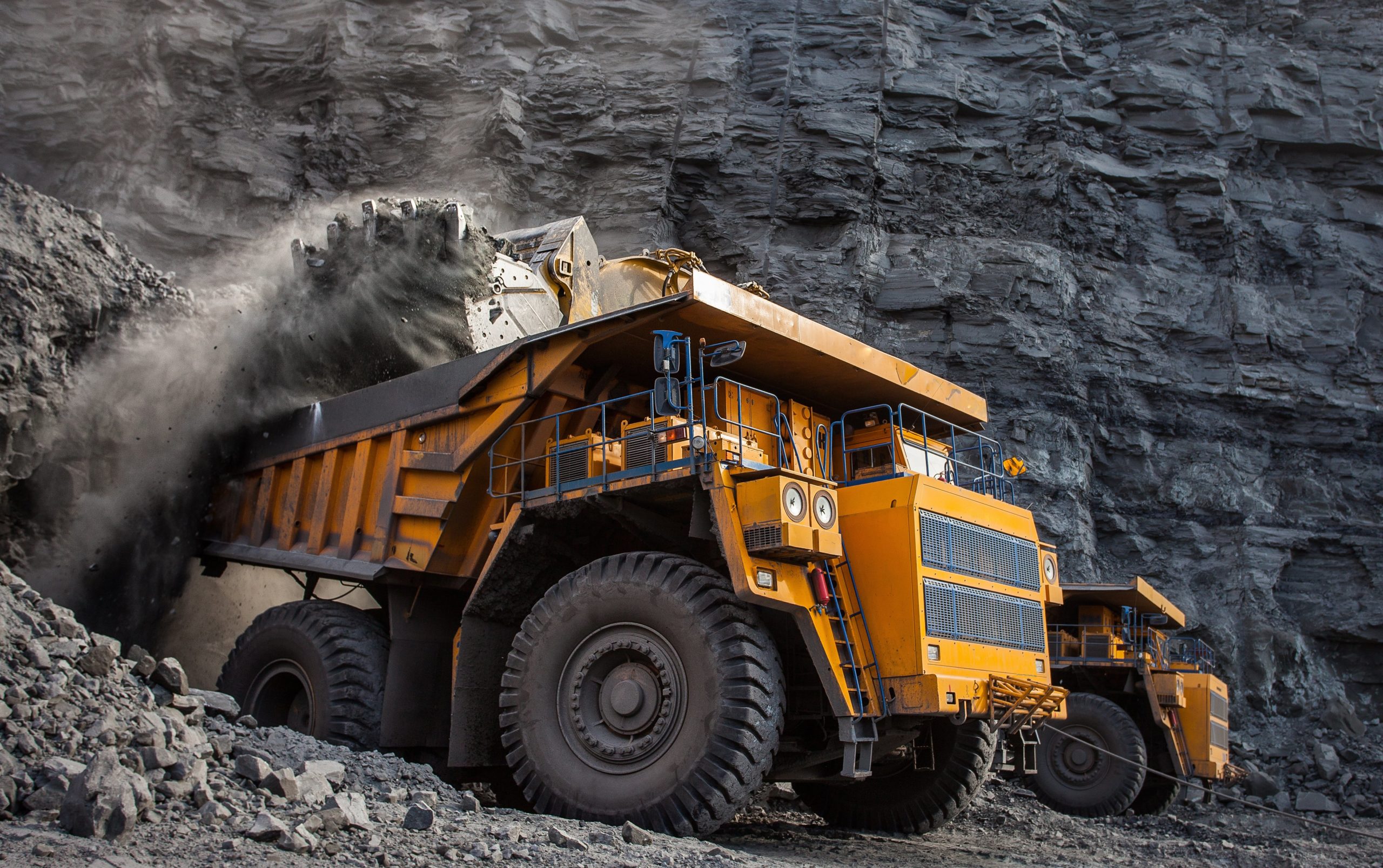
Courtesy of blog.cmsfunding.com

Courtesy of blog.cmsfunding.com

The European Union, the world’s largest single market, has recently implemented the Critical Raw Materials Act, aiming to lessen its dependence on mineral imports from countries outside the bloc. This new regulation seeks to diversify critical raw material supply chains by sourcing up to 65.0% of these materials from within the EU, a move that may impact African countries in the region that have been exporting to the EU. The decision to introduce these measures was influenced by the disruptions experienced during recent supply-chain challenges, such as the Covid-related disruptions and geopolitical conflicts like Russia’s actions in Ukraine and China’s export restrictions on certain minerals like gallium.

Read more: Kenya’s Mining Potential: Addressing the Challenge of Conflict Minerals

To achieve their goals, the EU plans to extract at least 10.0% of minerals used within the bloc from countries within the union, while 40.0% will come from processing and 15.0% from domestic recycling. However, domestic mineral extraction in the EU has been hindered by factors like lengthy permitting procedures, local opposition, high energy and labour costs, and regulatory compliance expenses. The Act addresses these hurdles by expediting strategic projects’ approval, promoting social acceptance through community engagement, and encouraging supply diversification by private businesses. The Act also targets increased recycling of critical raw materials, addressing barriers like users’ lack of awareness of recyclable products and higher costs associated with recycled raw materials.

Ebba Busch, Sweden’s Minister for Energy, Business, and Industry, highlighted that the EU’s goal with this Act is to gain autonomy in the exploration and supply of critical raw materials, reducing reliance on third countries. The list of 34 critical and 17 strategic raw materials affected by these regulations includes minerals essential for manufacturing various products, such as electric vehicle batteries, wind turbines, and aerospace components.

RELATEDPOSTS

No Content Available

Read more: Investors Eagerly Anticipate Mineral Exploration Boom as Freeze Thaws

The impact of these measures could be significant for mineral-rich African states like the Democratic Republic of Congo, Tanzania and Kenya, which heavily rely on exports to the EU. These countries may face challenges regarding foreign exchange earnings and job losses within their mining industries. However, the EU aims to promote sustainability, collaboration with like-minded third countries, and secure supply chains through these measures, ultimately benefiting both the EU and its partners.

Email your news TIPS to editor@thesharpdaily.com

Previous Post

High Fuel Costs Impact Kenyan Consumers, Shifting Fuel Consumption Trends Emerge

Next Post

Kisumu Set to Host Kenya’s First Business Ecosystem Summit

Patricia Mutua

Patricia Mutua

Related Posts

News

Building a Portfolio That Works Across Market Conditions

June 26, 2026
News

Kenya’s Macro Resilience Amid the Iran Conflict

June 26, 2026
Inflation, Crisis and rising commodity prices concept stock
News

How the cost of living crisis is hitting pension contributions

June 26, 2026
News

Why Liquidity Matters in Financial Markets

June 25, 2026
News

Kenya Secures Kshs 22.1 bn Samurai Bond from Japan

June 25, 2026
Low voter turnout at Masikonde Primary School in Narok town ward on November 27 2025, voting kicked off at 7.00 AM. Tobias Meso|NMG
News

IEBC sets August 10, 2027 as date for Kenya’s next general election

June 25, 2026

LATEST STORIES

Building a Portfolio That Works Across Market Conditions

June 26, 2026

Kenya’s Macro Resilience Amid the Iran Conflict

June 26, 2026
Inflation, Crisis and rising commodity prices concept stock

How the cost of living crisis is hitting pension contributions

June 26, 2026

The banking concentration risk on Kenya’s capital market

June 26, 2026

Why Liquidity Matters in Financial Markets

June 25, 2026

Kenya Secures Kshs 22.1 bn Samurai Bond from Japan

June 25, 2026

Designing Pension Solutions for Kenya’s Evolving Workforce

June 25, 2026
Low voter turnout at Masikonde Primary School in Narok town ward on November 27 2025, voting kicked off at 7.00 AM. Tobias Meso|NMG

IEBC sets August 10, 2027 as date for Kenya’s next general election

June 25, 2026
  • About Us
  • Meet The Team
  • Careers
  • Privacy Policy
  • Terms and Conditions
Email us: editor@thesharpdaily.com

Sharp Daily © 2024

No Result
View All Result
  • Home
  • News
    • Politics
  • Business
    • Banking
  • Investments
  • Technology
  • Startups
  • Real Estate
  • Features
  • Appointments
  • About Us
    • Meet The Team

Sharp Daily © 2024